Small fish — classically red mullet — floured, fried crisp, then steeped in a hot sauce of vinegar, garlic, rosemary and currants until the tang soaks into the flesh. The vinegar both flavours and preserves, so the dish keeps for days and is, by design, better the next morning than the moment it is made. An island fish-preservation classic of the Ionian and Aegean, it is eaten cold or at room temperature as a meze or a light main.





Savoro is a relic of the days before refrigeration, when fishermen and island households needed to make a catch last. The name comes from the Venetian word sapor (Italian sapore, flavour), and the Venetians spread the technique through the territories they held — the Ionian and Aegean islands, Crete and Cyprus — where it picked up rosemary as its signature note. The roots may run deeper still: the Byzantine scholar Faidon Koukoules recorded vinegar sauces called savouras in Byzantine cooking, predating the Latin term, so the Venetian name likely refined an older eastern Mediterranean habit rather than inventing it.
The fish is fried first so the skin stays crackling even after it sits in sauce, and the flesh underneath is sharp and bright from the vinegar that has worked its way in. The sauce is aggressively sour, tempered by the sweetness of plump currants and the resinous, almost piney hit of rosemary. Cold from the fridge, it is cleaner and tarter; left out to warm slightly, the aromas open up. Bread is essential to soak the sauce, and a glass of ouzo is the traditional partner.
Savoro is preservation by acid. The catch is fried both to cook it and to set a crust that resists going soggy, then submerged in a vinegar sauce whose low pH halts the bacterial spoilage that would otherwise ruin fish within a day — the same principle as escabeche or the Venetian sarde in saor. A spoon of flour stirred into the hot pan oil before the vinegar goes in thickens the sauce enough to cling to the fish and emulsify with the oil, and the rosemary contributes natural antioxidant and antimicrobial compounds, valued historically as much for keeping the fish as for its scent. The dish must rest so the acid penetrates; the flavour genuinely improves over a day or two.
Variations
Red mullet (barbounia) gives the finest version, but gopa, picarel, small whiting or even sardines are all used. Pine nuts often join or replace the currants, and some regions add a bay leaf or sliced onion to the sauce. The Corfiot and wider Ionian style leans on rosemary and currants; Cypriot fish savoro is a closely related preparation in the same Venetian lineage. A few cooks finish the fish in the oven rather than the pan once the sauce is added.
On the Palate
Where Savoro sits in the Greek flavor cloud
Ingredients
Serves 4

How it's made
6 steps · 35 min active + 5 min waiting
- 18 min
Clean and scale the small fish, pat them very dry and season with salt.
- 24 min
Dredge the fish lightly in flour, shaking off the excess.
- 310 min
Fry in plenty of hot olive oil until golden and crisp on both sides, then lift out onto a plate.
Watch outFry the floured fish until golden and genuinely crisp on both sides; that crust is what keeps it from going soggy once it's submerged in the vinegar sauce.
- 44 min
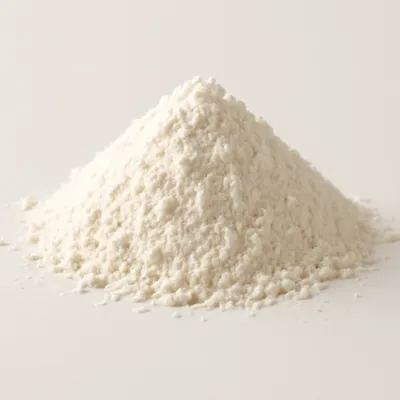
Pour off most of the oil, stir a spoonful of flour into what remains, then add sliced garlic and rosemary and cook briefly until fragrant.
- 54 min
Stand back and pour in the vinegar with a little water and the currants; simmer for a couple of minutes until the sauce thickens.
Watch outStand back before you pour the vinegar into the hot pan — it spits fiercely; simmer just a couple of minutes until the sauce thickens enough to cling.
- 65 min
Return the fish to the pan, spoon the sauce over, then cool and rest — serve cold or at room temperature, ideally the next day, with bread.
Archive tool suggestions — not reviewed
These legacy suggestions have not been evidence-reviewed and are not presented as required tools.



