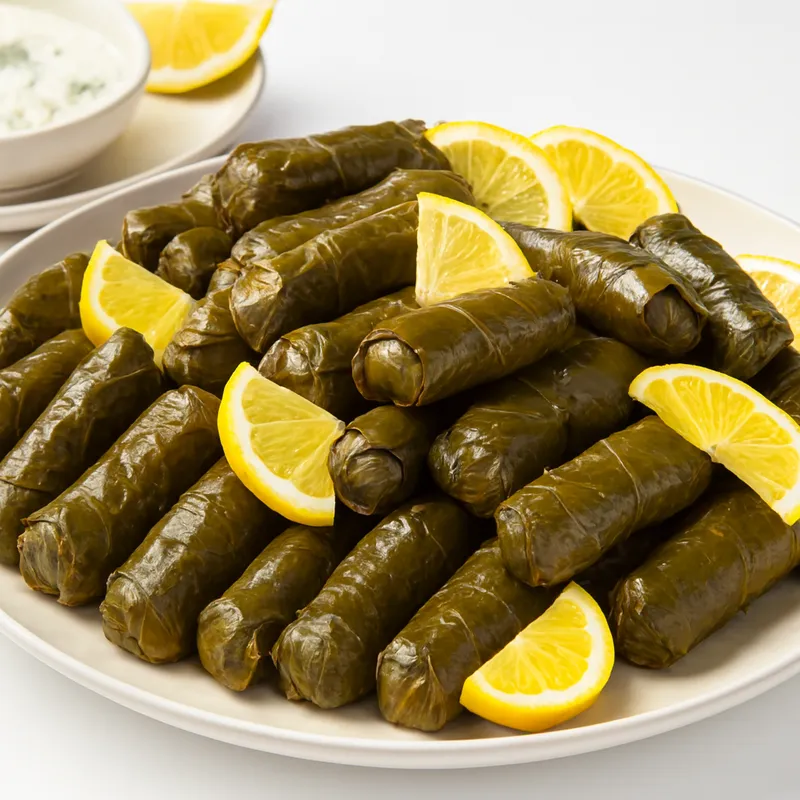
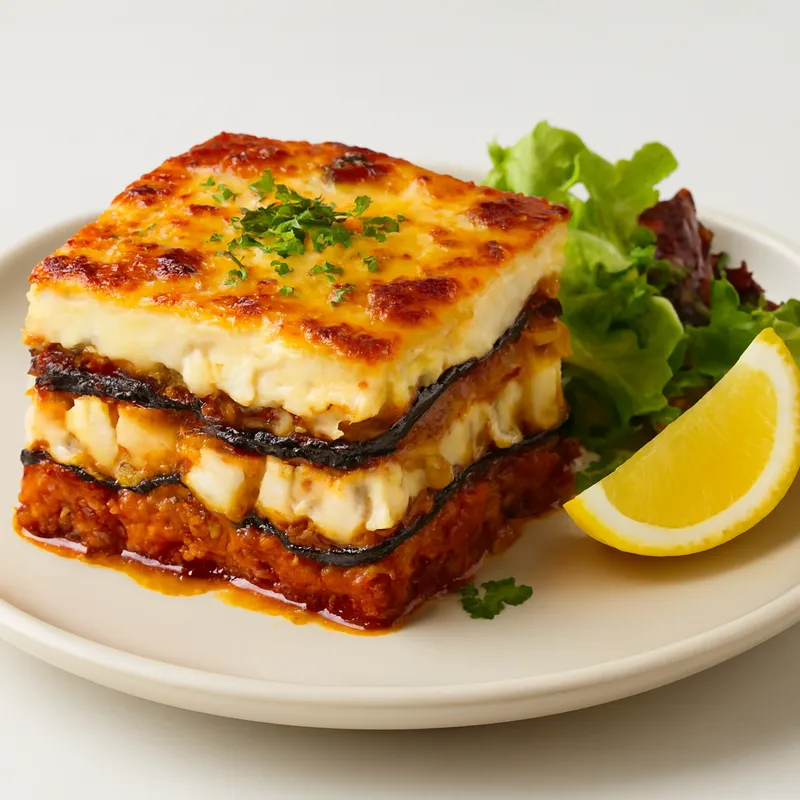
A strong, clear grape spirit distilled from the pomace left after winemaking — the skins, pips, and stems pressed out of the must. Most mainland tsipouro is plain and grape-bright, though some is flavored with anise; the Cretan version, single-distilled, is called tsikoudia or raki. It is drunk in small glasses, neat or over ice, and almost never alone — it is the engine of the long Greek meze table, sipped slowly between plates of small food.



By tradition, tsipouro was first distilled by monks on Mount Athos around the 14th century, who put the by-products of their winemaking to use; the earliest written references date to that era. From the monasteries the craft spread through Macedonia, Epirus, Thessaly, and Crete, where the single-distilled variant tsikoudia took hold. Regional designations such as Tsipouro of Thessaly won EU protection in 1989 under the spirit-drinks regulation, and the joint Tsikoudia/Tsipouro geographical indication was registered in 2008.
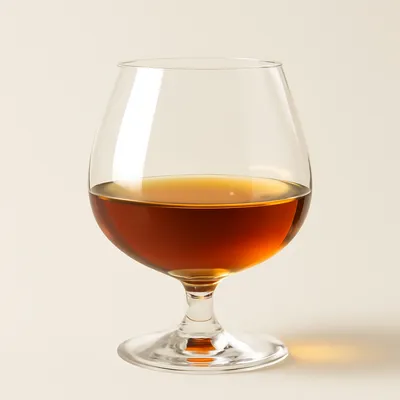
Clean and fiery, with the warm scent of crushed grapes and a faint nuttiness from the pips. Unflavored tsipouro is dry and direct; the anise-flavored style turns sweet and licorice-like and clouds white when water or ice is added. The finish is warming rather than harsh in a good bottle, the alcohol carrying the fruit up into the nose. Always served small and cold, to be nursed.
Pomace still holds sugar, trapped wine, and aromatic compounds in its skins; fermenting and then distilling it concentrates the alcohol and the grape aromatics into the spirit. Mainland tsipouro is twice-distilled in copper pot stills, the distiller discarding the harsh 'heads' and 'tails' and keeping only the clean middle 'heart,' which is why double distillation reads as higher quality; Cretan tsikoudia is distilled once. When anise is added, its anethole is alcohol-soluble but not water-soluble, so it precipitates into a milky cloud the moment the drink is diluted.
Variations
Plain (chyma) versus anise-flavored; the Cretan single-distilled tsikoudia/raki; tsipouro infused with herbs, mastic, or honey (rakomelo, served warm in winter). Thessaly, Tyrnavos, and Macedonia hold distinct protected designations. It is the centerpiece of tsipouradiko taverns, where each round of drinks brings a free meze.
On the Palate
Where Tsipouro sits in the Greek flavor cloud
Ingredients
Serves 1How it's made
4 steps · 5 min
- 12 min
Chill small tumblers; tsipouro is served cold, often from a carafe kept on ice.
- 21 min
Pour a small measure, about 50 ml, neat or over ice.
- 31 min
For anise-flavored tsipouro, add a little cold water and watch it turn cloudy white.
Watch outAdd a little cold water to the anise style and watch it cloud milky-white — that louche means the anethole is releasing right.
- 41 min
Serve alongside small meze plates and sip slowly between bites.
Archive tool suggestions — not reviewed
These legacy suggestions have not been evidence-reviewed and are not presented as required tools.