A cold Wallonian speciality from the Chimay area: freshwater fish—traditionally eel, or conger and dogfish today—fried until golden then immersed in a vinegary, onion-studded jelly and refrigerated until set; served cold from earthenware pots with fried potatoes, EU PGI since 2021.
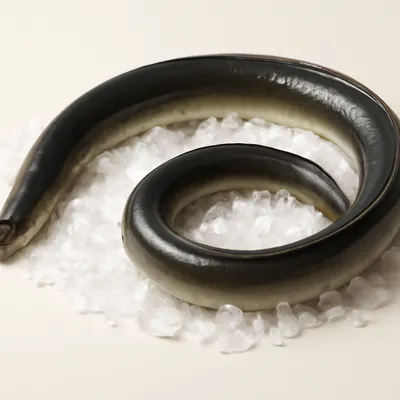


The escavèche de Chimay traces its roots to the Spanish Netherlands era, when the vinegar-fried fish preservation method—documented across the Mediterranean—took root in southern Hainaut and Namur. In the Chimay area, the dish gained particular prominence in the eighteenth century as iron forges declined; the artificial ponds that had supplied the forges with water were converted to aquaculture, producing fish surpluses that made the long-keeping vinegar-jelly technique indispensable. Fish from Virelles, Olloy-sur-Viroin, and surrounding streams became the principal catch. The European Commission formalised the designation on 4 March 2021, awarding Protected Geographical Indication status covering communes in both Namur and Hainaut provinces; three certified producers hold the designation as of 2024.
The chilled jelly trembles faintly and dissolves on the tongue with a clean vinegary tang; beneath it the fish is firm and flaky, deeply seasoned from its long soak, with soft yielding onion rings threaded throughout.
Deep-frying the fish at around 175°C rapidly browns surface proteins via the Maillard reaction, setting a firm exterior and driving off surface moisture to create a dry crust that later absorbs the marinade without becoming soggy. The vinegar jelly forms from natural collagen released from fish skin and connective tissue during frying, which gels upon refrigeration; modern preparations may add a small amount of gelatine to ensure reliable setting. Acetic acid in the vinegar continues to denature surface proteins and impart flavour during the cold soak, while low temperature retards bacterial growth, achieving multi-week preservation. Onion phenolics and fructooligosaccharides contribute mild sweetness and additional antimicrobial action.
Variations
Historically made with river eel; today conger and dogfish are most common in certified versions, with trout, pike, and zander used in the wider region. Traditionally packaged and served in earthenware pots; glass jars are now standard. Some producers add a splash of white wine to the vinegar liquid for additional complexity.
On the Palate
Where Escavèche de Chimay sits in the Belgian flavor cloud
Ingredients
Serves 4


How it's made
7 steps · 30 min
- 115 min
Clean and portion fish into 8–10 cm sections; pat thoroughly dry with paper towels; season generously with salt on all sides.
- 220 min
Heat oil in a deep pan or fryer to 175°C; fry fish in batches for 6–8 minutes until golden-brown and cooked through; drain on a rack.
Watch outFry the fish at around a hundred seventy-five degrees to a firm golden-brown crust — that dry crust is what later drinks the marinade without going soggy; a pale, soft fry falls apart in the vinegar.
- 35 min
Arrange the fried fish pieces closely in earthenware pots or glass jars, leaving small gaps between pieces for the jelly to penetrate.
- 410 min
Peel and slice onions into thin rings; combine with white wine vinegar, bay leaves, whole black peppercorns, and allspice berries in a saucepan; simmer gently for 10 minutes until onions are softened.
- 55 min
If the liquid lacks natural fish collagen, bloom gelatine leaves in cold water for 5 minutes; stir the bloomed gelatine into the warm vinegar-onion mixture off the heat until fully dissolved.
- 65 min
Pour the warm vinegar-onion jelly over the fish, ensuring all surfaces are coated and onion rings are distributed throughout; leave to cool to room temperature.
- 710 min
Cover tightly and refrigerate for at least 24 hours until the jelly sets firmly; serve cold directly from the jar or unmoulded onto a plate, accompanied by freshly fried potatoes.
Watch outChill a full day until the vinegar jelly sets firm around the fish — rush the setting and the jelly stays loose and won't hold the dish together.


