
An Italian preserve of mixed vegetables pickled in vinegar — typically carrot, cauliflower, celery and bell pepper, often with onion or green beans, cut into bite-sized pieces. The vegetables are briefly blanched, then steeped in a vinegar brine, sometimes finished under oil, and left to mature. Tangy and crisp, it is a staple of the antipasto table and a all-purpose condiment alongside cured meats and cheeses. This is the Italian original; it should not be confused with the chopped, chilli-hot oil-based 'hot giardiniera' of Italian-American Chicago.


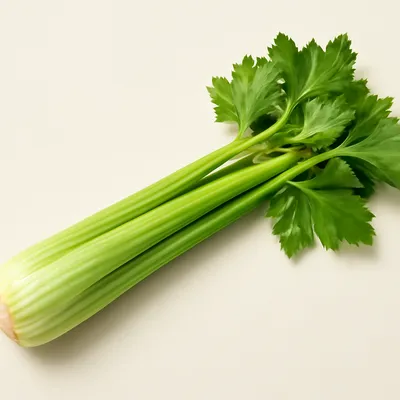
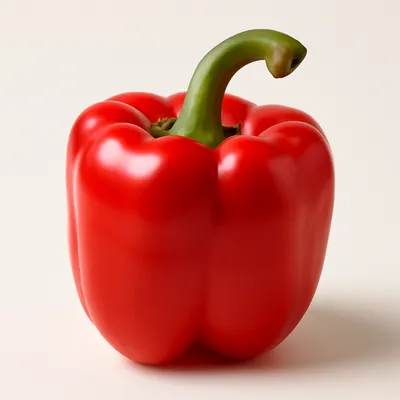


The name comes from giardino, 'garden': giardiniera means 'the gardener's [woman]' or, by extension, the garden's mixed produce, and in Italy the preserve is also plainly called verdure sottaceto, 'vegetables under vinegar'. It belongs to the old household practice of pickling the late-summer garden in vinegar to carry fresh-tasting vegetables through the cold months; the exact origin is unrecorded, the dish being a folk preserve rather than the invention of any one place or cook. It is eaten across Italy, and the recipe simply followed whatever the garden yielded.
Cool and crunchy, every piece keeping a firm snap — cauliflower and carrot stay toothsome, celery and pepper crisp. The flavour is brightly sour from the vinegar, lightly salted, with the clean taste of each vegetable still distinct rather than blurred together. A good giardiniera is sharp and refreshing and cuts richness; a poor one is either washed-out and soft from over-blanching or harshly acidic from raw, unbalanced vinegar.
Pickling preserves the vegetables by acidity: steeping them in vinegar drops the pH well below the level at which spoilage and most pathogenic bacteria can grow, while added salt draws out water and seasons. A short blanch before pickling sets the colour, knocks back enzymes that would soften the vegetables, and lets the brine penetrate evenly without cooking them limp — the crunch depends on stopping there. A final layer of oil, in the oil-packed style, seals the surface from air; the vinegar beneath, not the oil, is what keeps it safe, so the brine must stay sufficiently acidic.
Variations
The vegetable mix is open: cauliflower, carrot, celery, pepper, onion, green beans and gherkins appear in varying combinations according to season and household. Some versions are kept purely in vinegar brine, others packed under oil after pickling for a rounder, mellower result. A wholly separate creature is the Italian-American 'Chicago hot giardiniera' — vegetables chopped fine and cured in oil with hot peppers and herbs, used as a spicy relish on sandwiches — which descends from the Italian dish but is distinct from it. Across southern Italy the same idea appears under names like sottaceti.
On the Palate
Where Giardiniera sits in the Italian flavor cloud
Ingredients
Serves 8


How it's made
6 steps · 40 min
- 115 min
Cut the carrot, cauliflower, celery and pepper into even bite-sized pieces.
- 28 min
Bring a pot of water with a splash of vinegar and some salt to the boil and blanch the vegetables briefly, just until barely tender but still crisp; drain well.
Watch outBlanch the vegetables only until barely tender but still crisp — stop there or the crunch is lost; over-blanching leaves them limp in the jar.
- 310 min
Make a brine by boiling together white wine vinegar, water, salt and a little sugar with peppercorns and a bay leaf.
- 45 min
Pack the drained vegetables tightly into clean jars.
- 55 min
Pour the hot brine over the vegetables to cover them completely, leaving no air pockets; if making the oil-packed style, top with a layer of olive oil.
Watch outPour the hot brine over to fully submerge them, leaving no air pockets — it's the acidic brine, not the oil, that keeps them safe, so nothing should sit above the liquid.
- 62 min
Seal the jars and leave to mature in a cool dark place for at least two days before eating; keep refrigerated once opened.
Archive tool suggestions — not reviewed
These legacy suggestions have not been evidence-reviewed and are not presented as required tools.


