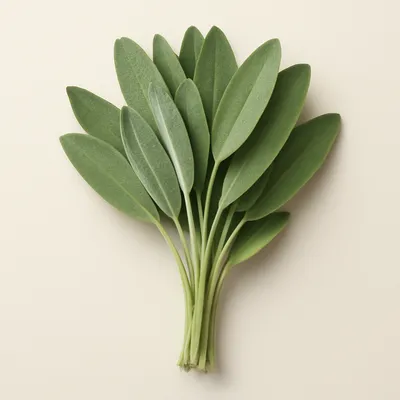
A raw mountain ham cured at 1,600 metres in Saint-Rhemy-en-Bosses, the last Valdostan village before the Great St Bernard pass. The trimmed leg is salted with whole and ground pepper, sage, rosemary, garlic, juniper, thyme and bay, then aged twelve to thirty months in timber lofts swept by dry alpine wind. The slice runs wine-red with firm, bright fat; the taste is delicate, lightly salty, faintly sweet and gamey.





Documented as early as 1397 in the accounts of the Hospice du Grand-Saint-Bernard, the ham is bound to the Augustinian monks who sheltered travellers on the pass; fourteenth-century registers list 'tybias porci', pork legs. No colourings or nitrates are permitted; the leg is aged in the 'rascard', the timber-clad hayloft of the Valdostan farmhouse, whose crossing winds give the meat its aromatic, faintly gamey finish. Recognised DOP in July 1996 under EC Reg. 1263/96, it is made in fewer than three thousand hams a year and celebrated at the July 'Sagra' and the December 'Il Re e Crudo' at the castle of Bosses.
Sliced by hand almost to transparency, it drapes over dark rye with a curl of mountain butter, a smear of honey and a walnut. The lean melts to a delicate salt, the fat to sweetness, and a resinous whisper of juniper and alpine herb rises at the finish.
Twelve to thirty months of drying pull water activity low enough to arrest bacterial growth without nitrates; meanwhile muscle enzymes (cathepsins) break proteins down into free amino acids such as glutamate, building savoury depth, while lipases split fats into aromatic aldehydes. The constant, dry alpine wind draws moisture from the surface steadily, so the leg cures evenly to the bone, and the herb-salt rub both seasons the meat and forms an antimicrobial crust.
Variations
The mountain-butter, honey and walnut service is classic; some pair the slices with fresh or pickled figs, or with the dark rye rubbed lightly with garlic. Across the valley a related but distinct cooked ham exists, roasted rather than air-dried. Beyond Saint-Rhemy the same alpine curing yields hams that lack the DOP but share the herb-and-wind character.
On the Palate
Where Jambon de Bosses sits in the Italian flavor cloud
Ingredients
Serves 24

How it's made
8 steps · 1 hour
- 160 min
Select a fresh hind leg from a heavy pig; trim the excess fat and shape the leg, leaving the rind on the outer curve.
- 220 min
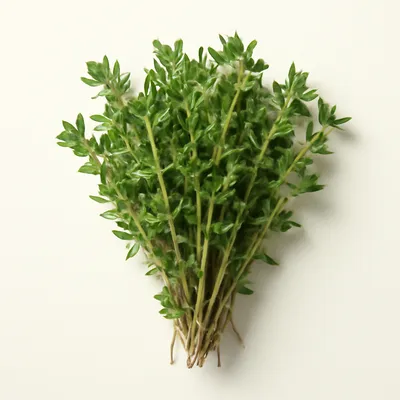
Grind part of the pepper with the salt, then combine with whole peppercorns, chopped sage, rosemary, garlic, crushed juniper, thyme and bay.
- 330 min
Massage the herb-salt firmly into the meat, packing it around the exposed muscle and the bone joint; use no nitrates or colourings.
Watch outPack the herb-salt hard into the exposed muscle and the bone joint — those crevices are where it spoils first if the cure can't reach.
- 430240 min
Rest the salted leg in a cool cellar for several weeks, turning and re-salting periodically, until the salt draws out surface moisture and penetrates the flesh.
- 530 min
Brush off the surface salt, wash the leg briefly and dry it well.
- 620 min
Hang the leg in the timber loft, exposed to the dry crossing mountain wind.
- 7525600 min
Age twelve to thirty months, checking for even drying and clean aroma as the fat firms and the lean deepens to wine-red.
Watch outJudge it done by an even dry-out and a clean, sweet smell — the lean should have deepened to wine-red and the fat firmed.
- 815 min
To serve, carve by hand into near-transparent slices and lay over dark rye with mountain butter, honey and walnuts.


