A simple yet satisfying Ligurian flatbread made from chickpea flour, farinata is crisp on the outside and tender within.





Tradition traces it to 1284, when the Genoese fleet defeated Pisa at the Battle of Meloria; sacks of chickpea flour and olive oil broke loose in a storm on the way home, were salvaged, and dried in the sun on planks — the first farinata. The dish spread along the Ligurian coast and into Nice (where it's called socca) under medieval Genoese trade.
Tradition traces it to 1284 — the Genoese fleet beat Pisa at the Battle of Meloria, sacks of chickpea flour and olive oil broke loose in a storm and dried in the sun on planks. Spread along the Ligurian coast and into Nice (where it's called socca). Batter must rest 4-12 hours so chickpea starch hydrates and saponin foams off. Copper pan and 250°C+ heat are non-negotiable.
A thin yellow-gold pancake of chickpea flour, water, and olive oil, baked in a copper pan until the edges char and the center stays creamy. Cut into wedges with a knife straight from the pan, dusted heavily with black pepper. Eaten with hands, no plate. The contrast is the point: lacy crust, almost-custard interior.
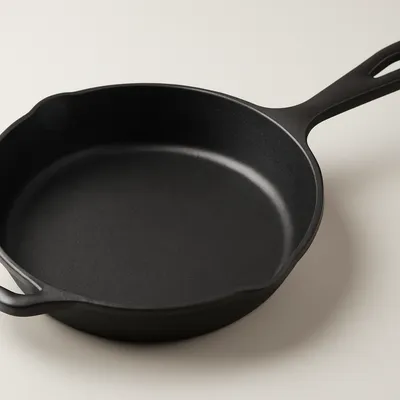
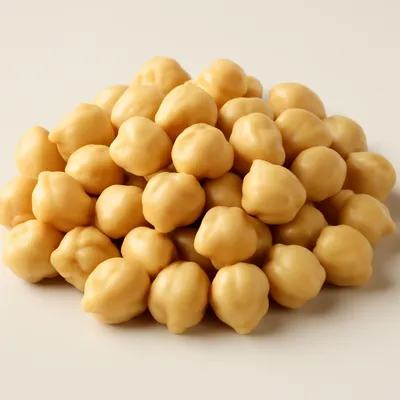
The batter must rest 4–12 hours so chickpea starch hydrates fully and any residual saponin foams off the top (skim before baking, or it goes bitter). A copper or cast-iron pan and 250°C+ heat are non-negotiable — the pan must be screaming hot when the batter hits, or the bottom won't crisp before the center sets.
Variations
Genoese farinata is thicker (around 1cm), eaten with black pepper; Nice socca is thinner and crispier, sold from copper pans by street vendors at Marché Forville; Tuscan cecìna is the Pisa/Versilia name, slightly thicker than socca; Livorno's version is called torta di ceci, served inside a francesino loaf or focaccia as cinque e cinque.
On the Palate
Where Farinata sits in the Italian flavor cloud
The two make-or-break moves are a long batter rest and a screaming-hot pan: rest 4-12 hours so the chickpea starch hydrates and bitter foam can be skimmed, then hit a 250-degree oiled pan so the bottom crisps before the center sets.
Ingredients
How it's made
5 steps · 1 hour 30 min
- 13 min
Mix chickpea flour with water and a pinch of salt to form a batter.
- 230 min
Allow the batter to rest for several hours.
Watch outAfter resting, the surface should carry a layer of pale foam; skim it clean or the whole thing bakes bitter.
- 35 min
Preheat a baking tray with olive oil in the oven.
Watch outPreheat until the oil shimmers and is close to smoking — a lukewarm tray gives you a soggy, pale slab.
- 42 min
Pour batter onto the tray, sprinkle with rosemary and black pepper.
- 525 min
Bake until golden and crisp, then slice and serve.
Watch outPull it when the top is deep gold with a few charred blisters and the edges lift crisp from the pan.
Archive tool suggestions — not reviewed
These legacy suggestions have not been evidence-reviewed and are not presented as required tools.