

Fileja is the everyday hand-shaped pasta of Vibo Valentia and the Calabrian Tyrrhenian coast, traditionally rolled around a thin rod called a dinaculu (or dinacu/filejo), traditionally a dried stalk of Sparto grass rather than iron; the name fileja comes from the dialect verb meaning 'to spin/draw into threads'. Pairing it with 'nduja is geographic logic — both are products of the same hill villages. The shape predates 'nduja by centuries; documents reference fileja from at least the 1600s.
Fileja is the everyday hand-shaped pasta of Vibo Valentia and the Calabrian Tyrrhenian coast, rolled around a thin iron rod called a dinaculu (literally "thin behind") — referenced in documents from at least the 1600s. Each piece is rolled around the rod and pulled off without sealing, leaving a hollow tube with rough flour-dusted edges. That roughness is what holds 'nduja — a smooth extruded pasta would shed it.
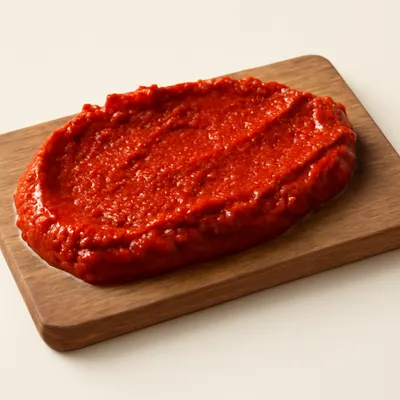
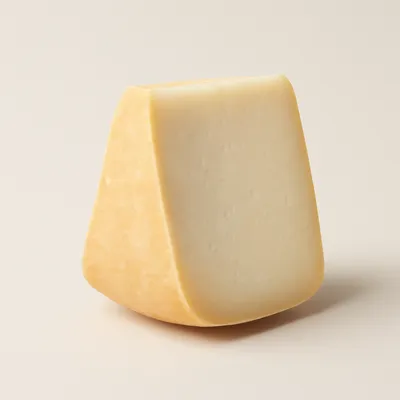
Hand-twisted pasta the shape of phone cords — rough, chewy, with deep grooves that grip sauce far better than spaghetti. Same red 'nduja base, but here you taste the pasta itself: durum wheat, slightly nutty, almost al dente to the point of resistance. Pecorino del Monte Poro (from the plateau above Vibo) is grated heavy on top; pecorino crotonese is a common alternative; it melts into the heat and softens the chili edge.
The shape is the technique. Each piece is rolled around the rod and pulled off without sealing, leaving a hollow tube with rough flour-dusted edges. That roughness is what holds 'nduja — a smooth extruded pasta of the same shape would shed it. Cooking time is short (4–5 minutes fresh) because the wall is thin; overcooking turns the sauce-grip surface gummy.
Variations
Vibo Valentia hand-rolled fileja with pecorino crotonese; Tropea version finishes with the local sweet red onion julienned raw; Reggio Calabria pairs fileja with stocco (stockfish) instead of 'nduja; Locanda di Alia and Trattoria Da Pasqualino in Tropea are benchmarks; the Sicilian busiate is the closest cousin shape, also rolled on a rod.
On the Palate
Where Fileja con 'Nduja sits in the Italian flavor cloud
Ingredients



How it's made
5 steps · 1 hour 30 min
- 112 min
Prepare fileja pasta by twisting small dough pieces.
- 212 min
Cook pasta until al dente.
Watch outPull the fileja a touch firm — the thin fresh wall keeps cooking in the hot 'nduja sauce, and overdone tubes go gummy and stop gripping.
- 319 min
Sauté garlic in olive oil and add 'nduja and tomato sauce.
- 436 min
Simmer the sauce until it slightly thickens.
Watch outSimmer only until the sauce coats the spoon and the oil just breaks orange at the edges — that's the 'nduja fat rendered out and ready to cling.
- 512 min
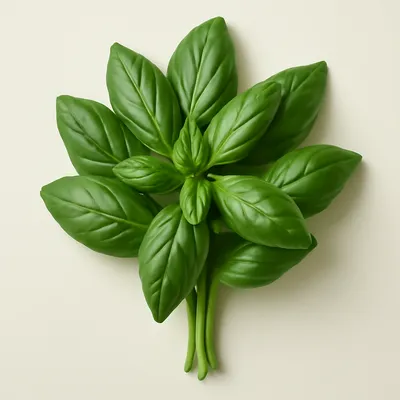
Toss pasta with the sauce and garnish with pecorino and basil.
Archive tool suggestions — not reviewed
These legacy suggestions have not been evidence-reviewed and are not presented as required tools.