The only lard in Europe to hold a DOP, the pride of Arnad in the lower valley. Squared blocks of back-fat from pigs of at least 160 kilos are layered in 'doils', chestnut-wood tubs, under a brine of salt, water, wine and mountain herbs, and matured at least three months, traditionally up to a year. Pared to translucent sheets, it is laid on toasted rye with honey, or melted over hot polenta.




The Arnad curing tradition is old and documented: an inventory taken at Arnad castle in 1763 already lists 'doils of aged lard', and in an age when olive oil was too dear in the mountains, cured fat took its place at the table. The 'doils' are chestnut or oak tubs whose tight joints held the brine without leaking; the fat is washed with salt, water, wine and spices and left to mature. Recognised DOP in July 1996 under EC Reg. 1263/96, it is eaten as 'bocon du diable', rye toast rubbed with garlic, the lard draped over and finished with honey. Against the marble-cured lardo of Colonnata it tastes more balsamic, from the wood and the mountain spicing.
A sheet so thin it turns glassy, all silk and no chew; on warm garlic-rubbed rye it slackens toward melting, the honey pulling the salt sweet while rosemary, bay and clove lift the richness. Over hot polenta it dissolves into the grain, leaving a warm, spiced, faintly winey gloss.
A wet cure: salt and wine draw water from the fat by osmosis and lower its water activity, while the alcohol and aromatic spices suppress spoilage bacteria over months. Pork back-fat is almost entirely triglyceride with a low melting point near body temperature, which is why a thin sheet turns liquid on warm bread or hot polenta. The chestnut wood of the doils leaches phenolic and tannic compounds into the brine, and slow lipid oxidation during maturation builds the mellow, faintly balsamic aroma.
Variations
The garlic 'bocon du diable' is the salty-sweet classic; a gentler version skips the garlic and leans on honey and walnuts. It is also melted over polenta or potatoes, or laid on chestnut bread. Colonnata's marble-basin lardo is the famous cousin, cured with rosemary against Tuscan marble rather than in alpine wood, cleaner and less spiced.
On the Palate
Where Lard d'Arnad sits in the Italian flavor cloud
Ingredients
Serves 20

How it's made
8 steps · 45 min
- 130 min
Trim clean pork back-fat from a heavy pig into rectangular blocks of even thickness.
- 220 min
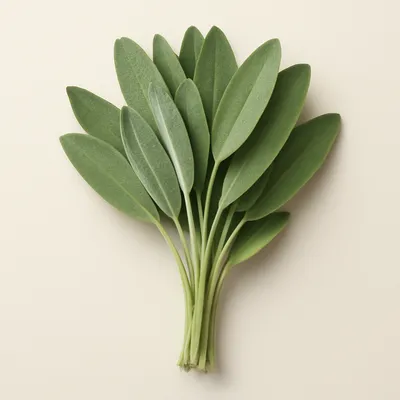
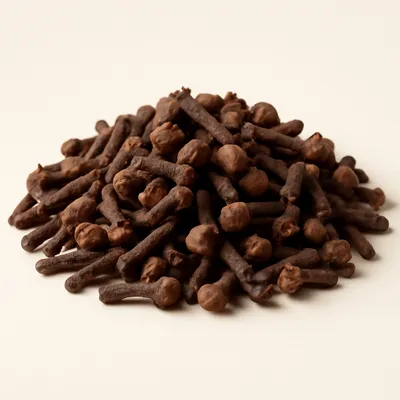
Make the brine: dissolve salt in water with wine, and crush together rosemary, sage, bay, juniper, cloves, nutmeg and yarrow.
- 340 min
Rub the fat blocks with salt and pack them in layers into the chestnut-wood tub, spooning brine and herbs between each layer.
- 415 min
Weight the surface so the blocks stay submerged, seal the tub and store it in a cool cellar.
Watch outWeight the fat so it stays fully submerged in the brine — any block poking out will oxidize and go rancid over the long cure.
- 5129600 min
Mature at least three months, traditionally up to a year, so the brine and aromatics work through the fat.
- 615 min
Lift out a block, drain it, and pare into translucent sheets with a sharp knife.
Watch outPare into translucent sheets — cut thick, the fat won't melt sheer over hot polenta the way it should.
- 78 min
Toast rye bread, rub it with garlic, drape the lard over and finish with a drizzle of honey.
- 85 min
Alternatively, lay the sheets over hot polenta or potatoes so they melt into the surface.

