A whole pork neck muscle from Piacenza province, salt-and-spice cured, enclosed in peritoneum and aged for a minimum six months in the cool, valley-channelled air of the Po foothills — the sweetest of Piacenza's three DOP salumi and the only European province to hold three simultaneous DOP designations in charcuterie.



The salted, neck-muscle salume of Piacenza is documented from the late medieval period: city statutes of around 1320 already fixed regulated prices for both fresh and salted pork ('carnes de porco'). Fifteenth-century monastery records from the province describe cured neck meat packed in peritoneum, reflecting an established craft. Piacenza's geographic position — at the junction of Piemonte, Lombardia and Liguria — made its cured meats coveted across Northern Italy; by the 16th century the phrase 'roba de Piaseinsa' (Piacenza goods) marked its salumi as premium products. Cardinal Giulio Alberoni, first minister to Philip V of Spain, reputedly used Coppa Piacentina as a diplomatic gift for the Bourbon court. The Consorzio Salumi Tipici Piacentini was established in 1971 to formalise production standards. EU DOP recognition under Regulation CEE 2081/92 was awarded on 2 July 1996, together with the Salame Piacentino and Pancetta Piacentina — making Piacenza the only European province with three simultaneous DOP salumi designations.
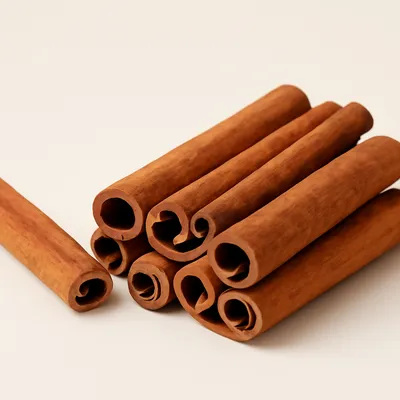
Cut thin, coppa piacentina reveals a vivid red-and-white mosaic of lean muscle and marbled fat; the slices are pliable enough to fold without crumbling. On the palate it is immediately sweet and luscious, then a gentle warmth from black pepper and cinnamon builds slowly; the finish is long, clean and fragrant — nothing sharp or salty dominates.
During the minimum six-month aging at 12–15 °C and 70–80% humidity, three interrelated processes shape the coppa's character. Proteolysis — driven by endogenous muscle enzymes and curing-salt-tolerant bacteria — breaks muscle proteins into free amino acids and short peptides, generating sweetness, savouriness and depth. Lipolysis releases free fatty acids from the intramuscular fat, which oxidise into aldehyde and ester aroma compounds responsible for the persistent fragrance. The peritoneum casing (pelle di sugna) regulates moisture loss evenly across the whole surface, preventing a hard crust while allowing the interior to mature uniformly. The relatively low salt content slows osmotic dehydration, preserving natural sweetness rather than driving an aggressive salt cure.
Variations
Coppa di montagna — produced above 900 m in Val Nure, designated separately, with a more pronounced mineral character from the mountain air; Coppa di testa (head cheese) — an entirely different product made from cooked pig's head, sharing only the word 'coppa' in Italian; the broader Italian coppa category includes Coppa di Calabria DOP and generic coppa from Veneto or Emilia using different muscles and spice blends.
On the Palate
Where Coppa Piacentina sits in the Italian flavor cloud
Ingredients
Serves 8
How it's made
6 steps · 1 hour
- 130 min
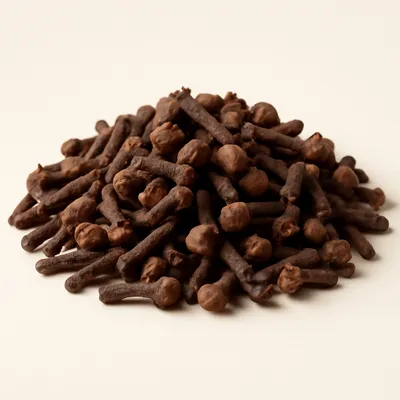
Trim the fresh pork neck muscle, removing any excess external fat but leaving the natural fat cap intact; calculate salt at 2.5% of the meat weight and mix with the ground spice blend (black pepper, cinnamon, coriander, cloves, nutmeg); massage the mixture thoroughly into all surfaces of the meat.
Watch outRub the salt-and-spice mix into every surface until the meat looks evenly coated — bare patches cure unevenly and can spoil.
- 214400 min
Place the seasoned neck in a non-reactive tray; cover and refrigerate at 2–4 °C for 8–10 days, turning and re-massaging the accumulated brine into the meat each day.
- 330 min
Remove and rinse lightly; pat dry; enclose in a cleaned, soaked pig peritoneum (pelle di sugna); bind tightly with kitchen twine in even spirals along the length, forming a compact, uniform cylinder.
Watch outBind the twine in even, snug spirals so the coppa firms into one compact cylinder — loose spots trap air and mold badly.
- 410800 min
Hang in a drying room at 18–20 °C for 10–15 days until the surface is dry and the casing has adhered firmly to the meat.
- 5259200 min
Transfer to an aging cellar at 12–15 °C with 70–80% relative humidity; age for a minimum of 6 months — 9–12 months for greater complexity; inspect weekly and wipe any unwanted surface mould with a cloth dampened in white wine.
Watch outWeekly, wipe off any fuzzy or colored mold with wine-damp cloth; a thin white bloom is fine, but musty or green patches mean too damp.
- 620 min
To serve: rest at room temperature for 20–30 minutes; peel away the casing and twine; slice very thinly across the grain (1.5–2 mm) using a sharp slicer; arrange on a board and serve at room temperature with warm piadina or crusty bread.


