
Brussels-style raw beef tartare — top-quality lean beef finely hand-chopped, dressed with mayonnaise plus raw egg yolk, capers, onion or shallot, parsley, mustard, Worcestershire sauce, and Tabasco, then served as a tartare on toast or with frites. The Belgian interpretation of steak tartare — the mayonnaise gives it a creamier texture and heavier seasoning than the French version, and it is traditionally pre-mixed (served ready-dressed rather than as raw components for the diner to assemble). Despite the name, the dish is thoroughly Belgian; the 'américain' is usually traced to the mayonnaise (once called 'American sauce') rather than to any US origin.



Filet Américain is a Brussels brasserie staple, an interpretation of French steak tartare that took on a distinctly Belgian identity — its defining difference is that the beef is dressed with mayonnaise, giving it a creamier, richer profile than the French version. Despite the name, the dish has no US origin: the 'américain' is most commonly traced to the mayonnaise itself, once known as 'American sauce.' Its creation is generally attributed to Brussels restaurateur Joseph Niels in the mid-1920s — already manager of 'La Taverne Royale' in the Galerie Saint-Hubert, he opened the 'Canterbury' tavern-restaurant (early/mid-1920s) where he made tartare in his own fashion with a house mayonnaise; his descendants still run the famous Brussels restaurant 'Au Vieux Saint Martin.' The beef must be top-grade (typically fillet or tenderloin) and hand-chopped to keep its texture — never machine-ground, which yields a paste. Modern Belgian bistros serve it two main ways: the 'préparé' (pre-mixed) version spread on toast as an open-faced canapé (popularly 'toast cannibale'), or as a main with a large portion of Belgian frites. Because it is raw, it requires butcher-fresh, same-day beef.
Filet Américain is among the most polarizing Belgian dishes — raw beef is divisive — but done well it converts skeptics. The first bite: cool, soft beef with no chewy resistance, melting into the creamy dressing of mayonnaise and egg yolk; sharp savory hits from capers, Worcestershire, and Tabasco; bright crunch from shallot and cornichon. Spread onto warm toast, the bread's heat lightly warms the beef's edges, making it almost buttery; with frites alongside, dip a frite into the seasoning left on the plate. The flavor is an umami bomb without being heavy. Pair with a Belgian witbier or a crisp saison. A Brussels bistro's late-afternoon aperitif staple.
Three technical principles: (1) The beef is hand-chopped into roughly 3mm pieces to retain a juicy, distinct texture — machine grinding produces a smooth paste, which is wrong. (2) The creaminess comes from mayonnaise: mayonnaise (plus an egg yolk) is a stable oil-in-water emulsion that coats each piece of beef without making it wet, adding richness and the dish's signature smoothness — this is what distinguishes it from a French tartare dressed only with raw yolk and oil. (3) Aromatics and condiments (shallot, capers, cornichon, Worcestershire, Tabasco, mustard) provide acidic, briny, sharp, and bitter notes that balance the richness of the beef and mayonnaise. Because it is raw, the dish relies on butcher-fresh beef and cold handling throughout, and is best eaten soon after mixing — exposure to air darkens the beef and degrades the texture.
Variations
Brussels canonical (the 'préparé' version, dressed at the brasserie or table); seasoning intensity varies by house, with the Antwerp style leaning on more Tabasco for heat; a food-safety-minded service plates raw shallot and capers separately and lets diners mix; spread on toast it becomes an open-faced canapé popularly called 'toast cannibale'; upscale restaurant versions sometimes finish it with a few drops of truffle oil or a raw quail-egg yolk on top. The dish is closely related to French steak tartare but stands apart through its heavier, more savory seasoning and its defining mayonnaise.
On the Palate
Where Filet Américain sits in the Belgian flavor cloud
Hand-chop the chilled beef into clean 3mm cubes with a sharp knife — machine grinding smears it into paste and loses the whole point, the distinct, juicy bite under the mayonnaise.
Ingredients
Serves 2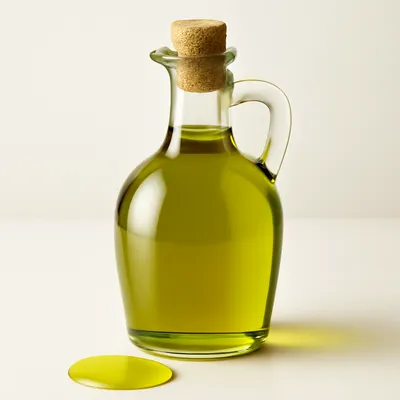



How it's made
11 steps · 20 min active + 5 min waiting
- 12 min
Source 300g of top-grade beef fillet from your butcher TODAY (not pre-packaged supermarket). Ideally choose center-cut tenderloin or thick-trimmed strip loin. Tell the butcher it's for tartare.
- 215 min
Chill the beef in the freezer 15 min before chopping (makes it firmer and easier to cut precisely).
- 31 min
Trim any silver skin, sinew, or visible fat from the beef. The piece should be pure red muscle.
- 45 min
Hand-chop the beef: use a very sharp chef's knife. First slice the beef into 3mm slices. Stack a few slices and cut into 3mm strips. Cross-cut into 3mm cubes. The texture should be small uniform cubes — NOT mince/paste.
Watch outAim for even 3mm cubes that stay separate on the board — if it's starting to look like mince, your knife needs sharpening or the meat's gone soft.
- 52 min
Place the chopped beef in a chilled glass bowl. Keep cold while you prep the rest.
- 64 min
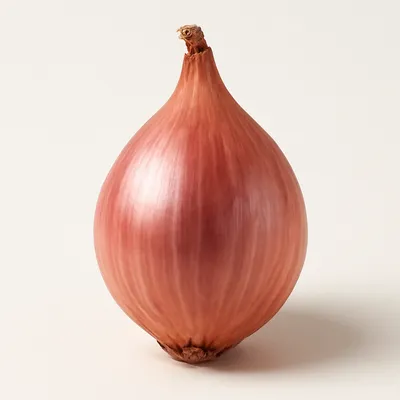
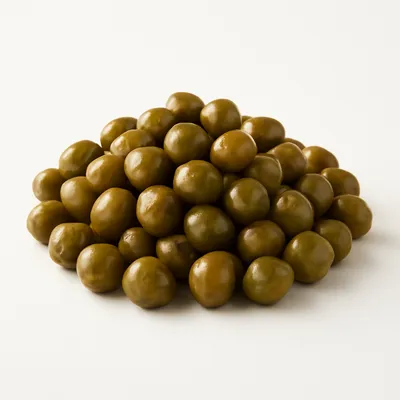
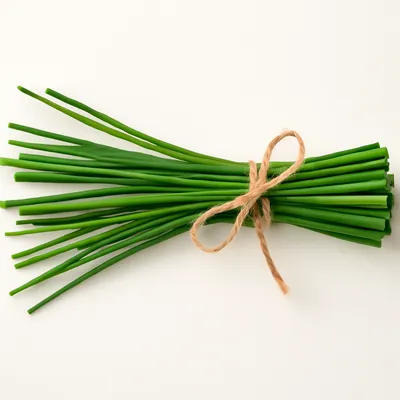
Mince finely: 2 shallots (small dice) + 2 tbsp capers (drained) + 4 cornichons (small dice) + 2 tbsp parsley (chopped fine) + 2 tbsp chives (chopped fine).
- 72 min
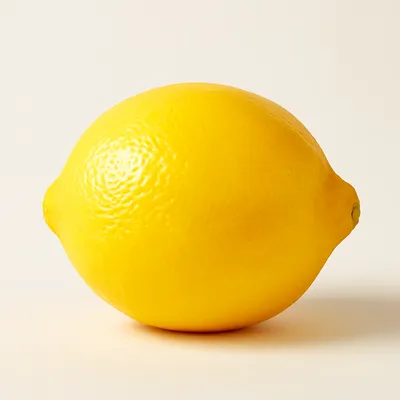
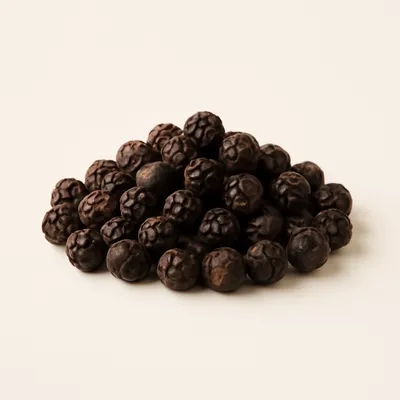
Make the dressing: in a small bowl whisk 2 large egg yolks (very fresh, from a trusted source) + 2 tbsp Dijon mustard + 1 tbsp ketchup (optional but traditional Belgian) + 1 tbsp Worcestershire sauce + 8-10 drops Tabasco + 1/2 tsp salt + 1/2 tsp black pepper + 1 tbsp olive oil + 1 tsp lemon juice.
- 82 min
Combine: add the chopped beef + all minced aromatics to the dressing bowl. Mix gently with a fork (don't pulverize — keep texture).
Watch outFold with a fork just to coat — the beef should stay in loose grains slicked with dressing, never mashed together.
- 91 min
Taste; adjust with more Tabasco (heat), Worcestershire (depth), or salt. The flavor should be assertively seasoned, slightly punchy.
Watch outTaste and push the seasoning until it reads bright and punchy cold — raw and chilled, flavours land softer than they will warm.
- 102 min
Plate: divide between 2 plates. Shape into rounds using a ring mold or use 2 spoons to form quenelles. Top each with a small egg yolk (intact) optional + 1 caper + 1 cornichon for garnish.
- 111 min
Serve immediately on toasted baguette slices or with hot Belgian frites + a small green salad with mustard vinaigrette. Provide additional Worcestershire + Tabasco bottles on the side.
Archive tool suggestions — not reviewed
These legacy suggestions have not been evidence-reviewed and are not presented as required tools.


