A raised-crust pork pie from the Gaume region of southern Belgium: noble cuts of pork marinated 48 hours in white wine, vinegar, and aromatic herbs are sealed in leavened dough and baked at 160°C; eaten hot or cold, it is the flagship dish of Belgian Lorraine and holds EU PGI status since 2001.
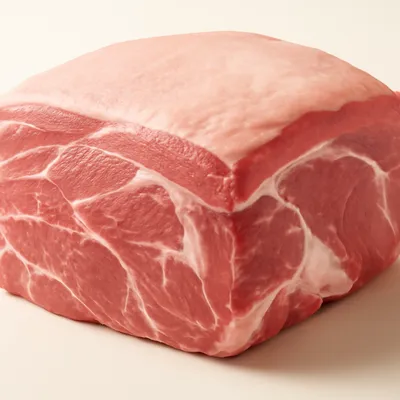


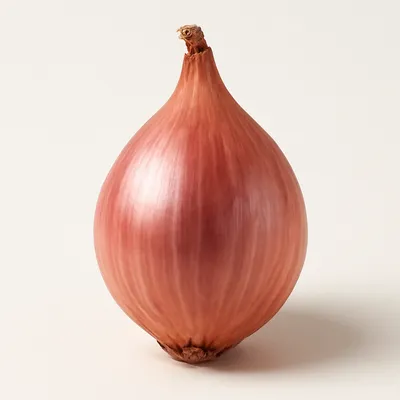


The pâté gaumais originates in the Gaume, the southernmost strip of Belgium bordering the Grand Duchy of Luxembourg, also known as Belgian Lorraine. The dish emerged as a distinctive raised-crust pie tradition by the late nineteenth century, combining the vinegar-wine marinades common to Lorraine charcuterie with local leavened dough techniques. It was officially designated a Belgian regional quality product on 12 July 1998 and awarded EU Protected Geographical Indication status on 9 October 2001. The Confrérie Saint-Arnould de Chiny, a culinary brotherhood based in Chiny, serves as its guardian institution, preserving the recipe and promoting Gaume food culture. The pie must weigh at least 200 g, measure at minimum 15 cm in diameter, and contain at least 30 percent meat by cooked weight; as of 2024 twelve certified IGP producers remain active.
The crust is thick and slightly dense—leavened dough rather than shortcrust—with the faint sourness of the marinade permeating each layer; the pork inside is tender and fragrant with herbs, subtly tangy from white wine and vinegar.
The 48-hour acidic marinade draws moisture from the pork surface while acetic and tartaric acids partially denature surface proteins, tenderising the meat and infusing it with aromatic compounds from shallots, garlic, and herbs. During baking at approximately 160°C, the leavened dough undergoes oven spring as yeast produces carbon dioxide before dying off above 55°C, setting a firm crumb. The enclosed pie environment generates internal steam from the meat juices, gently cooking the pork while the dough absorbs rendered flavour. A central steam vent prevents crust splitting while allowing controlled moisture release to concentrate the filling.
Variations
Some producers substitute red wine for white, yielding a deeper, earthier marinade. Individual portion sizes are common alongside the large shared wheel. Traditionally served with a crisp vinaigrette-dressed green salad to offset the pie's richness.
On the Palate
Where Pâté gaumais sits in the Belgian flavor cloud
Ingredients
Serves 6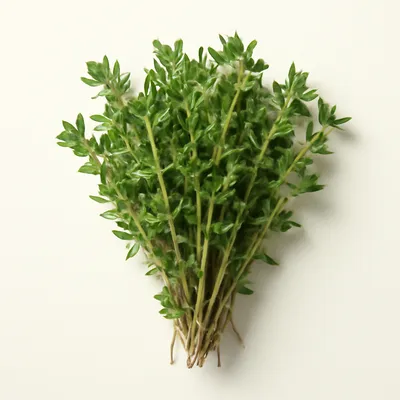



How it's made
7 steps · 30 min
- 120 min
Dice pork into 2 cm cubes; combine with white wine, white wine vinegar, sliced shallots, crushed garlic, bay leaves, fresh thyme, chopped parsley, salt, and pepper; cover and refrigerate for 48 hours.
Watch outMarinate the pork a full 48 hours — the wine and vinegar need that long to tenderize the cubes and drive the aromatics in.
- 25 min
Drain the meat; discard the marinade; season once more with salt and pepper and let the meat come to room temperature.
- 380 min
Combine flour, a pinch of salt, and active dry yeast dissolved in warm water; knead until smooth and elastic; cover and rest for 1 hour until roughly doubled in volume.
- 415 min
On a floured surface, roll two-thirds of the dough into a round large enough to line a 15–18 cm round tin with sides; press in and trim the overhang.
- 510 min
Fill the dough case evenly with the marinated pork; roll remaining dough into a lid and press firmly onto the edges to seal all around.
- 680 min
Cut a small steam vent in the centre of the lid; brush the entire top surface with beaten egg wash; bake in a preheated oven at 160°C for 75 minutes until deep golden.
Watch outCut a steam vent in the lid before baking — without it the trapped steam splits the crust; bake to deep golden, a pale top means raw dough.
- 715 min
Rest the pie for 15 minutes before unmoulding; slice and serve hot or cold with a crisp green salad dressed in vinaigrette.
Archive tool suggestions — not reviewed
These legacy suggestions have not been evidence-reviewed and are not presented as required tools.


