
Liège slow-braised rabbit with prunes and dark beer — a whole rabbit cut into 8 pieces, browned then braised for hours in dark Belgian beer with prunes, onions, mustard, Liège syrup, and herbs. The prunes dissolve into the sauce as a natural thickener, giving the broth a deep wine-mahogany color and sweet-savory depth. Walloon Sunday-lunch tradition, served with potato croquettes or boiled potatoes.



Lapin à la Liégeoise belongs to the broader 'lapin aux pruneaux' family found across the Lowlands, but the Liège version is distinguished by two local ingredients: dark Belgian beer and sirop de Liège — a thick syrup made by slowly reducing apples and pears with no added sugar, which is the source of the dish's sweetness. Rabbit was historically a peasant meat in Walloon villages, raised in backyard hutches to supplement the table through the winter months. The prune addition reflects the long European tradition of cooking dried fruit with meat to balance richness with sweetness. A hallmark of the Liège method is a slice of mustard-spread spice bread (pain d'épices) laid over the pot during cooking, which dissolves to thicken the sauce. It is considered a Walloon weekend dish, served with frites or boiled potatoes. The dish needs a low, gentle simmer — rabbit is lean and dries out over high heat.
A piece of Liège-braised rabbit is a weekend treat in Wallonia, but it is the SAUCE that defines the dish: glossy and dark, sweet from prunes and Liège syrup, with the malty bitterness of dark beer underneath, mustard-warm and vinegar-bright — sweet, sour and bitter layered in a single spoonful. The leg meat, after a long braise, pulls cleanly off the bone in long fibers, having soaked up the sauce; the meat itself is mild and lean like chicken, with a faint gamy depth. A whole prune in the sauce is silky and intensely concentrated. Eat with a potato croquette or frites to absorb the sauce and bread to soak the last drop — a Walloon autumn-and-winter weekend lunch.
Three key elements: (1) gentle heat — rabbit is lean and dries out over high heat, so it must be simmered low and slow, just enough to break down connective tissue without overcooking the muscle. (2) The prunes do double duty: a sweet flavor component AND a natural thickener via their pectin once softened and mashed into the sauce. (3) Thickening and seasoning at the finish: a slice of mustard-spread spice bread (pain d'épices) laid over the pot dissolves to body the sauce; sirop de Liège layers a second concentrated sweetness, while the vinegar and mustard at the end balance against it for the dish's signature sweet-sour profile.
Variations
The Liège version calls for prunes, sirop de Liège and dark beer together; some cooks swap part of the prunes for apples or cider for a brighter, fruitier acidity; a pressure-cooker version cuts the hours down to about 40 minutes; when good rabbit is hard to find, some make it with chicken thighs instead — but that is a different dish under a different name. One thing is essential: the quality of the rabbit makes or breaks it, as poor frozen rabbit cooks up tough.
On the Palate
Where Lapin à la Liégeoise sits in the Belgian flavor cloud
Ingredients
Serves 4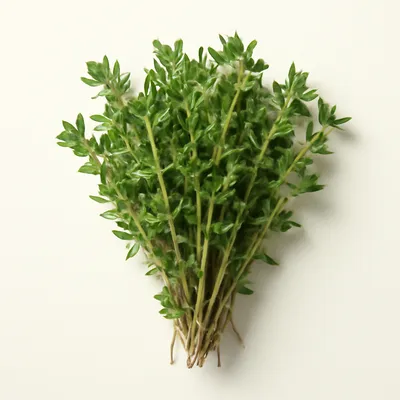







How it's made
13 steps · 1 hour active + 3 hours waiting
- 18 min
Prep rabbit: cut 1 whole rabbit (~1.4kg, ask butcher to portion) into 8 pieces: 4 leg quarters + 2 shoulders + 2 saddle pieces. Pat dry. Season generously with 1.5 tsp salt + 1 tsp black pepper + 1/2 tsp nutmeg.
- 2240 min
Marinate (optional but traditional): place rabbit in a non-reactive bowl. Add 250ml dark Belgian beer + 1 sliced onion + 4 cloves garlic + 4 sprigs thyme + 2 bay leaves + 6 peppercorns. Cover; refrigerate 4-12 hours (overnight is best).
- 33 min
Drain rabbit from marinade (reserve marinade liquid); pat dry. Discard solids from marinade.
- 412 min
Brown the rabbit: heat 3 tbsp neutral oil + 1 tbsp butter in a heavy Dutch oven over medium-high. Brown rabbit pieces in batches 3 min per side until deeply caramelized. Transfer to plate.
Watch outBrown the rabbit in unhurried batches until each piece is deep caramel — crowd the pot and it steams grey; that dark crust is the sauce's backbone of flavor.
- 512 min
Reduce heat to medium. Add 3 large yellow onions (finely sliced) + 4 garlic cloves (smashed). Cook 12 min until onions are deeply golden.
Watch outCook the onions slow and low a full 12 minutes to a deep gold — rush them and they stay sharp and pale; that golden softness carries the whole braise's sweetness.
- 62 min
Sprinkle 2 tbsp all-purpose flour over the onions; stir 2 min.
- 75 min
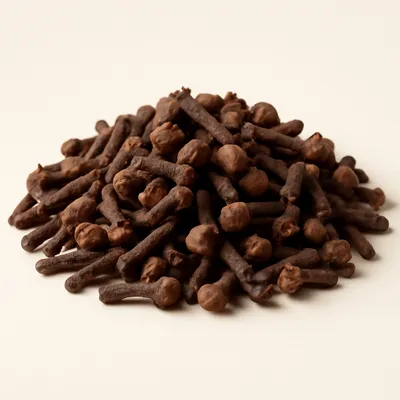
Add the reserved marinade + 250ml additional dark Belgian beer (Chimay Brun or Westmalle Dubbel) + 200ml chicken stock + 3 tbsp sirop de Liège (or 2 tbsp molasses + 1 tbsp apple butter) + 2 tbsp red wine vinegar + 2 tbsp Dijon mustard + 1 tbsp tomato paste + 2 bay leaves + 6 sprigs fresh thyme + 4 cloves + 1 cinnamon stick.
- 82 min
Return the rabbit to the pot. The liquid should come halfway up the meat. Bring to a low simmer.
- 91 min
Add 200g pitted prunes (about 20 large prunes). Distribute around the rabbit.
- 10120 min
Cover; transfer to a 150°C oven (or keep on stovetop at lowest heat). Braise 2 hours. The rabbit should be tender but not falling apart.
Watch outAfter two hours the rabbit should be fork-tender but still hold its shape on the bone — pull it before it shreds, since lean rabbit dries out the instant it overcooks.
- 118 min
Remove rabbit pieces to a warm plate. Strain the sauce or mash some of the prunes into it to thicken. Reduce sauce uncovered 5-8 min until it coats a spoon. Discard cinnamon stick and bay leaves.
Watch outMash a few softened prunes into the sauce and reduce until it coats a spoon — the prune pulp thickens it naturally and rounds the tang with sweetness.
- 122 min
Taste; adjust with more syrup (sweet), vinegar (tart), or salt. Return rabbit to the sauce to warm. Garnish with chopped parsley.
- 135 min
Serve: place 2 rabbit pieces per plate with generous spoons of sauce + prunes. Side with potato croquettes (or boiled new potatoes), applesauce, and crusty bread. Pour a glass of the same beer used in cooking.
Archive tool suggestions — not reviewed
These legacy suggestions have not been evidence-reviewed and are not presented as required tools.



