
Flemish beer-braised beef stew — beef chuck slow-cooked for hours in dark Belgian beer with caramelized onions, mustard-smeared bread that dissolves into the sauce as a thickener, brown sugar, bay, and thyme. Served over frites or with bread, the canonical Flemish bistro main of Antwerp, Bruges, and Ghent — the deepest, sweetest beef stew in Western Europe.



Carbonnade flamande belongs to the Flemish north, where French cooks reach for wine and Flemish cooks reach for beer — a preference plausibly stretching back to the Middle Ages, when beer was a safer drink than water and beef was precious, so tough cuts were braised long in dark ale. The name comes from the French charbon (coal/charcoal), originally referring to cooking over coals before the dish evolved into today's slow braise. It was recorded by the Ghent chef Philippe Cauderlier in the mid-19th century and later entered Larousse Gastronomique, so it is no mere peasant dish. Dark beer as the braising liquid is its defining feature — distinguishing it from French boeuf bourguignon (red wine) or German sauerbraten (vinegar). Modern Flemish home cooks favor a brown abbey-style ale for the deepest version; lighter pale ales produce a thinner result. Note that Flanders straddles Belgium and northern France, and the dish is claimed as a regional standard on both sides of the border.
Carbonnade Flamande is the deepest beef stew in Europe. The first spoon: meat that yields to the side of a spoon, falling into long fibers; sauce that is mahogany-brown, thick and glossy, distinctly sweet-and-sour from the brown sugar and beer-vinegar combo. The beer flavor is not bitter — long simmering mellows the hops, leaving malty depth like dark caramel. Mustard-bread thickening gives the sauce a velvety body without flour-heaviness. Eat with frites: dip a frite, scoop sauce, get a bite of beef + onion + frite + sauce in one mouthful. A glass of Westmalle Dubbel alongside doubles down on the flavor profile. Belgian comfort food at its most evolved.
Three layers of caramelization make Carbonnade Flamande work: (1) the beef sear (Maillard on the meat surface), (2) the 20-minute onion caramelization (Maillard + sugar reduction on the onions), and (3) the dark beer's roasted malt sugars (which caramelize further during the 3-hour braise). The mustard-bread is a clever pre-modern thickening method: the bread absorbs sauce, swells, and then disintegrates, releasing starch granules that bind the liquid without the gummy quality of pure flour-thickening. The mustard adds Sulfur-containing compounds that contribute body and complexity. Red wine vinegar + brown sugar = essentially a quick agrodolce that mirrors the beer's bittersweet profile.
Variations
Antwerp canonical (Westmalle Dubbel, with mustard bread); Bruges variation (Chimay Bleu, slightly sweeter); Ghent style with pearl onions in addition to sliced; modern home version uses store-bought brown ale (Newcastle, Negra Modelo) as Belgian beer substitute (works but less complex); pressure-cooker speed version (90 min instead of 3 hours); leftover Carbonnade improves overnight — the canonical second-day dish.
On the Palate
Where Carbonnade Flamande sits in the Belgian flavor cloud
Caramelize the sliced onions the full 18-20 minutes until deep golden and jammy before the beer goes in — this slow sugar-and-Maillard browning is the flavor foundation the whole braise is built on.
Ingredients
Serves 6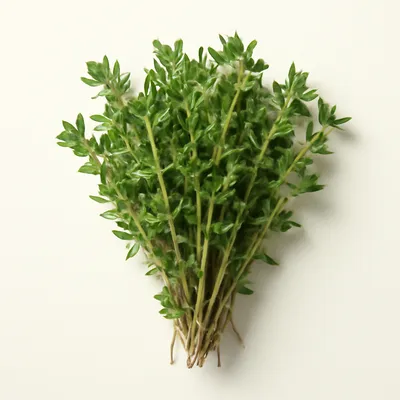




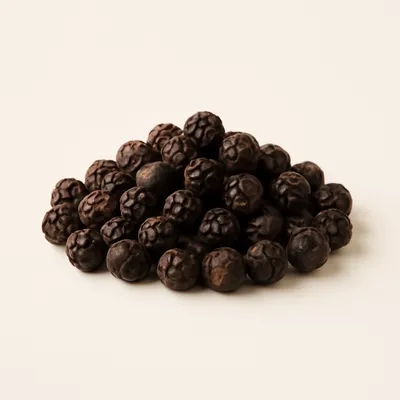


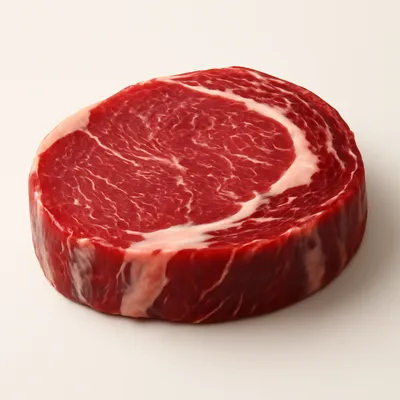
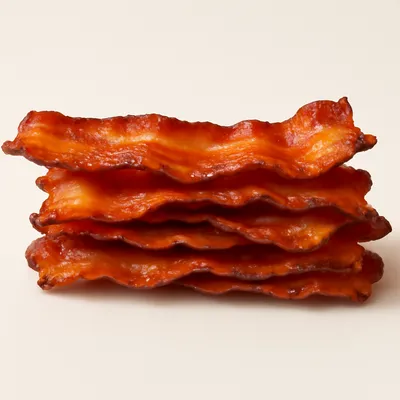

How it's made
10 steps · 40 min active + 2 hours 20 min waiting
- 15 min
Cut 1.2kg beef chuck (or short rib) into 4cm cubes. Pat very dry with paper towels. Season generously with 2 tsp salt + 1 tsp black pepper.
- 212 min
Heat 3 tbsp neutral oil + 1 tbsp butter in a heavy Dutch oven over high heat. Brown the beef in 3-4 batches (do not crowd) 3 min per side until deeply caramelized. Transfer to a plate.
Watch outPat the beef bone-dry and don't crowd the pan — you want a deep brown crust, not grey steamed meat, so sear in batches.
- 320 min
Reduce heat to medium. Add 1 tbsp more butter + 4 large yellow onions (thinly sliced). Cook 18-20 min, stirring frequently, until onions are deep golden-brown and jammy. Do not rush — the caramelization is the flavor foundation.
- 43 min
Add 4 garlic cloves (minced); stir 30 sec. Sprinkle 2 tbsp all-purpose flour over the onions; stir 2 min to cook off the raw flour taste.
- 55 min
Pour in 500ml dark Belgian beer (Westmalle Dubbel, Chimay Blue, Rochefort 10, or substitute with a dark Trappist or strong brown ale). Scrape the bottom to release fond. Add 300ml beef stock + 3 tbsp red wine vinegar + 3 tbsp packed brown sugar + 1 tbsp Dijon mustard + 1 bay leaf + 4 sprigs thyme.
Watch outAfter scraping in the beer, the fond on the pan bottom should lift and dissolve — that browned crust is pure flavor going back into the sauce.
- 62 min
Return the beef to the pot with any juices. The liquid should just cover the meat — top up with more stock if needed.
- 73 min
The critical step: take 2 slices of dense country bread (or pain de mie); spread each thickly with Dijon mustard. Place mustard-side-down on top of the stew so they float.
- 8165 min
Cover; reduce heat to lowest setting; simmer 2.5-3 hours (or transfer to a 150°C oven). The bread will disintegrate into the sauce. Stir gently every 45 min to break up any remaining bread chunks.
Watch outBy the end of the braise the bread should have fully melted into the sauce and the liquid should coat the back of a spoon — sweet-tart and glossy.
- 93 min
Taste; adjust with more vinegar (for tang) or sugar (for sweetness — Carbonnade should be distinctly sweet-tart). Remove bay and thyme stems.
- 105 min
Serve in deep bowls over a pile of Belgian frites (twice-fried), with a wedge of country bread, Dijon mustard on the side, and a tall glass of the same beer used to cook it.
Archive tool suggestions — not reviewed
These legacy suggestions have not been evidence-reviewed and are not presented as required tools.



