
Dutch deep-fried beef-stew croquettes — a thick beef-ragu base cooked into a stiff roux, chilled overnight to firm up, formed into balls, double-breaded in panko, then deep-fried until shatteringly crispy. The most-iconic Dutch borrel (drinks-with-snacks) food, eaten with mustard at every Amsterdam bar.
Bitterballen are part of the broader Dutch croquette family (kroket), but ball-shaped and served warm with mustard — essentially the spherical sibling of the kroket. They began as a thrifty way to use up beef-stew leftovers, the stew bound with a roux into a stiff filling, then chilled, breaded and fried. The name comes from 'bitter': not the taste (they aren't bitter at all) but the herb-infused bitter aperitif (a 'bittertje', often jenever) you'd order at the bar — a snack to go with the drink. The modern codified recipe is generally credited to Escoffier and Philéas Gilbert in the late 19th century. Every Dutch borrel (drinks gathering) features bitterballen with mustard for dipping. The technique requires a meat-and-stock ragout cooked to a stiff, almost-paste consistency, chilled until firm, formed, breaded TWICE, and fried at about 175°C — the bitterballen must keep their shape while developing a crispy shell.
A hot bitterbal is the perfect bar snack. First bite: the breadcrumb shell shatters audibly, releasing a wave of steam and a sticky-rich beef-ragout interior that's almost-molten. The stock-based, roux-bound filling is creamy, deeply beefy, slightly mustard-warm. Dip into Dutch mustard for sharp acid contrast. Eat 3-4 with a cold jenever shot or a Dutch beer. The Amsterdam Friday-evening borrel is incomplete without bitterballen.
Three technical signatures: (1) The thick beef-ragout filling is essentially a meat-fortified, stock-based velouté — a roux (butter and flour) loosened with beef stock, then loaded with meat shreds and seasoning. Chilling overnight gels the filling via the gelatin from the beef plus butter solidification, so it sets firm enough to form. (2) Double-breading creates two breadcrumb layers — single-breaded bitterballen leak filling when fried. (3) A frying temperature around 175°C is precise: hotter burns the crumb before warming the interior; cooler produces greasy, soggy shells. The cold filling meeting hot oil crisps the exterior while the center stays molten.
Variations
Dutch canonical (beef ragu, mustard dip); Kroket (larger cylindrical form, same filling); Garnalenkroket (gray shrimp version — see Belgian); chicken kroket (lighter); modern vegetarian bitterballen with mushroom or cheese filling; Saté kroket (with Indonesian-Dutch peanut-sauce influence); Surinaamse bitterballen with curry spicing; the dish freezes excellently for pre-borrel preparation.
On the Palate
Where Bitterballen sits in the Dutch flavor cloud
Chill the ragout filling until truly firm and bread each ball twice — a cold, stiff center and a double crumb coat are what let bitterballen hold their shape and stay molten inside when they hit the oil.
Ingredients
Serves 4








How it's made
8 steps · 1 hour active + 2 hours waiting
- 196 min
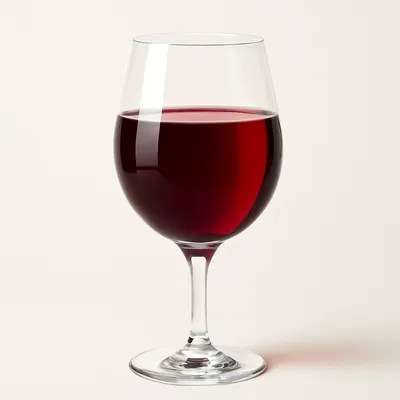
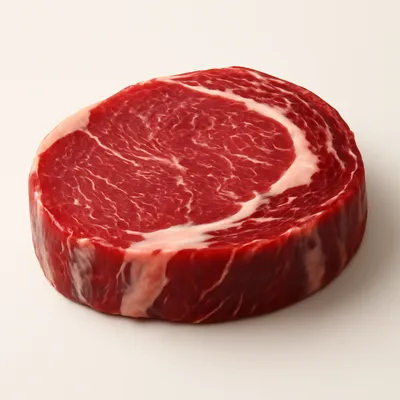
Make beef ragu: in a Dutch oven brown 400g beef chuck (cubed) in 2 tbsp butter. Add 1 chopped onion + 2 garlic + 1 bay leaf; cook 5 min. Add 400ml beef stock + 100ml red wine + 1 tsp salt + 1/2 tsp pepper. Simmer covered 90 min until meat is fork-tender. Shred meat finely.
- 29 min
Make the panada (roux base): in a saucepan melt 80g butter; whisk in 100g flour to make a roux; cook 3 min. Gradually whisk in 500ml of the strained beef stock until thick + smooth. Cook 4 min.
Watch outCook the roux and whisk in the stock until it's thick enough to pull away from the pan bottom in a mass — a loose panada never sets firm.
- 33 min
Off heat: stir in 2 egg yolks + 1 tbsp Dijon mustard + 1 tbsp Worcestershire + 1 tsp salt + 1/2 tsp nutmeg + 1/2 tsp white pepper + the shredded beef + 2 tbsp finely chopped parsley.
- 4245 min
Spread the mixture in a shallow dish; press plastic wrap directly on surface; refrigerate at least 4 hours (overnight is better) until very firm.
Watch outPress plastic wrap right onto the surface and chill until the mixture is firm enough to roll without sticking to your hands.
- 55 min
Roll into 24 balls (~30g each).
- 68 min
Set up double-breading: 3 dishes — (1) 100g flour, (2) 3 beaten eggs + 2 tbsp water, (3) 300g panko breadcrumbs. Bread each ball: flour, egg, panko, egg again, panko again (double-breading is essential for crispness).
- 74 min
Heat 5cm vegetable oil in deep pot to 175°C. Fry bitterballen in batches 3-4 min until deep golden + crispy.
Watch outDrop the cold balls into 175℃ oil and fry to deep gold — the cold center is what keeps the middle creamy while the shell crisps.
- 83 min
Drain on wire rack. Serve immediately while hot with grainy Dutch mustard (Dijon works) in a small ramekin for dipping. Pair with cold jenever or Dutch beer.
Archive tool suggestions — not reviewed
These legacy suggestions have not been evidence-reviewed and are not presented as required tools.

A heavy enameled or bare cast-iron lidded pot, 4-7 liters, with thick walls and a snug lid. The mass evens out hotspots; the lid traps moisture for braising. Sears on the stovetop, then transfers to a 150°C oven for 3-4 hours of even, contained heat — the structural difference between a beef bourguignon that comes out luminous and one that turns to gray mush. Le Creuset and Staub are the celebrated versions; an old American Wagner is functionally identical.

Hand-held wire loop tool for beating eggs, whipping cream, emulsifying dressings, and incorporating air into batters. Balloon whisks (large round head) for whipping cream and meringues; French whisks (narrow tear-drop) for sauces in pots; flat whisks (gravy) for pan sauces. Stainless steel is universal; silicone-coated for non-stick pans.

Round metal pot, 14-26 cm diameter, with vertical walls and a long handle, designed for sauces, soups, oatmeal, rice, boiled vegetables. The vertical walls minimize evaporation (vs. a sauté pan). Sizes: 1 qt for melting butter, 2-3 qt for sauces, 4 qt for soups. Stainless-steel-clad aluminum or copper is best for conduction; cast-iron is too thick for delicate sauces.


