
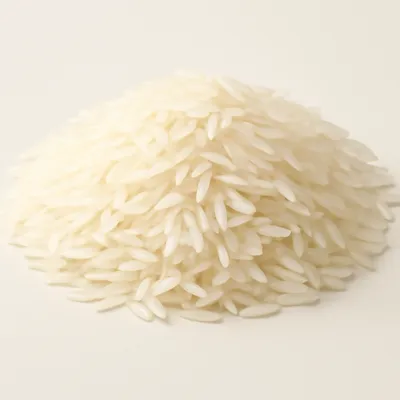
The colonial Dutch grand banquet — a mound of plain rice surrounded by 12 to 40 small Indonesian dishes (sambal, satay, rendang, gado-gado, ayam pedis, sweet soy fried banana, cucumber pickles). Each diner builds a custom plate from the spread.

Devised by Dutch colonials in Batavia (Jakarta) in the late 1800s as a way to serve the full Indonesian repertoire to European guests. Returned to the Netherlands with the post-1945 repatriation; now a Dutch national restaurant format.
A waterfall of tastes from one rice base — fiery sambal, peanut depth, smoky satay, sweet plantain, cool cucumber. Each spoon different from the last.
The format weaponizes contrast: spice + cool, dry + saucy, sweet + sour, crisp + soft. Rice is the neutral canvas. Communal style means the table itself is the cooking — final flavor depends on diner's choices.
Variations
Mini-rijsttafel (8 dishes) is the modern Dutch restaurant standard; ceremonial 24-40 dish version reserved for special occasions. Vegetarian rijsttafel substitutes tempeh and tofu for meats.
On the Palate
Where Rijsttafel sits in the Dutch flavor cloud
Ingredients
Serves 8






How it's made
8 steps · 4 hours active + 4 hours waiting
- 1240 min
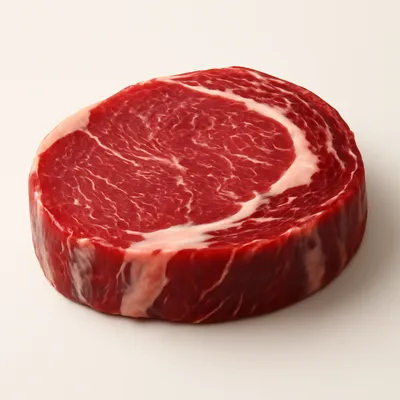
Make beef rendang: slow-cook beef + coconut milk + spice paste 4 hr until dry.
Watch outThe rendang is done when the coconut liquid has cooked away entirely and the oil it releases starts frying the meat dark.
- 240 min
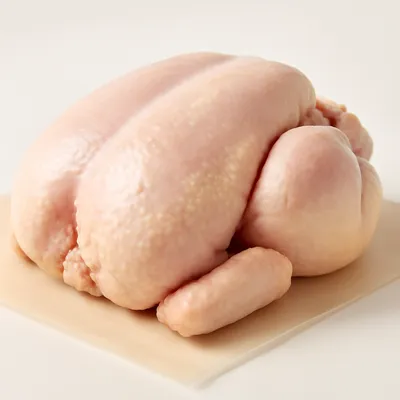
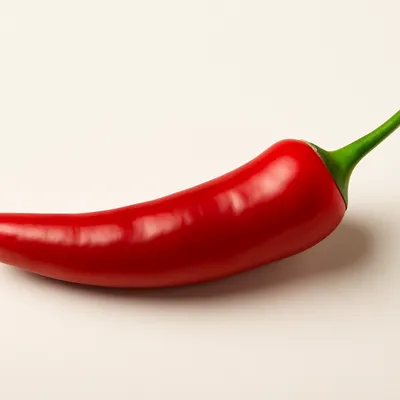
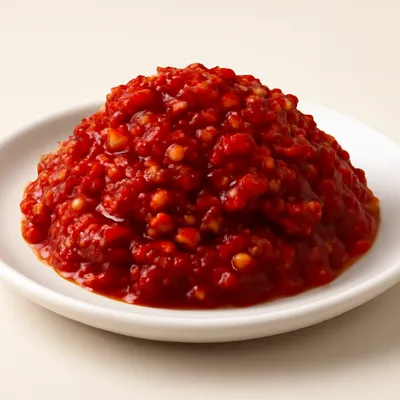
Make ayam pedis: brown chicken pieces in chili-shallot sambal, simmer 30 min.
- 320 min
Prepare gado-gado: blanched mixed vegetables with peanut sauce.
- 415 min
Make sambal oelek and sambal kecap; prepare cucumber acar pickle.
- 540 min
Grill 12 chicken sate skewers with peanut sauce.
Watch outGrill the sate over high heat just until the edges char and the meat is springy — a minute too long and it dries out.
- 615 min
Fry pisang goreng (banana fritters); steam rice mound.
- 75 min
Arrange rice in center of platter; surround with all small dishes in bowls.
Watch outMound the rice in the very center and ring it with the small dishes so each one stays its own distinct bite.
- 85 min
Serve with the table extras: keroepoek crackers, fried onions, lime wedges.
Archive tool suggestions — not reviewed
These legacy suggestions have not been evidence-reviewed and are not presented as required tools.


