An ultra-thin, shattering Flemish slice-and-bake biscuit made with cassonade brown sugar, cold butter, sliced almonds and a whisper of cinnamon and clove. The dough is rolled into a log, chilled overnight, then sliced paper-thin and baked until deep amber—fragile, barely sweet, essential with coffee.





Pain d'amande developed in the Franco-Belgian Flemish corridor where 19th-century cane-sugar refineries around Lille and Dunkirk made cassonade—raw dark brown sugar—the defining ingredient of regional biscuit-making. Belgian houses commercialised the format: Maison Dandoy in Brussels (founded in the 19th century) and Jules Destrooper, established in 1886 in Lo-Reninge, West Flanders, both built reputations on the thin almond biscuit and still sell it today across more than 75 countries.
Shatters on first contact into jagged amber shards with a clean crack; warm cinnamon and clove bloom immediately, followed by a toasted almond finish; the brown-sugar sweetness is clean and dry, never cloying, perfect against black coffee.
The cassonade is deliberately kept as coarse unmelted crystals; at 160–175°C these caramelise—sucrose first melts then undergoes Maillard-adjacent browning reactions—while water evaporates almost completely, locking the sugar into a brittle glassy matrix on cooling. Simultaneously the butter's milk solids react with flour amino acids via Maillard reaction, producing the deep amber colour and nutty aroma. Chilling the log overnight firms the fat so the 3mm slices hold their shape before caramelisation takes over in the oven.
Variations
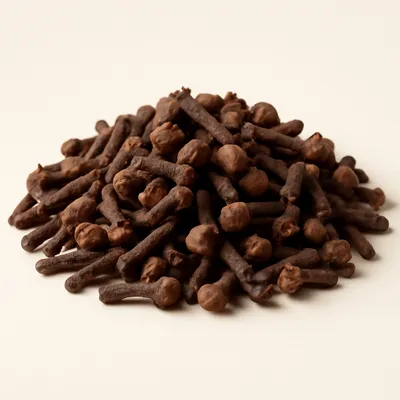
Maison Dandoy adds clove alongside cinnamon; Jules Destrooper's version embeds whole almonds on the surface for extra crunch. Dutch variants substitute peanuts for almonds. Some home recipes add nutmeg or vanilla extract. A version with sliced hazelnuts instead of almonds is made in Liège.
On the Palate
Where Pain d'amande sits in the Belgian flavor cloud
Ingredients
Serves 8

How it's made
7 steps · 20 min
- 15 min
Whisk flour, baking soda, ground cinnamon, ground clove and salt together in a bowl.
- 25 min
Cut cold butter into small cubes and rub into the flour mixture until it resembles coarse, pea-sized crumbs.
- 35 min
Stir in the cassonade, whole almonds and sliced almonds; add cold water one tablespoon at a time, mixing just until a firm dough comes together.
- 4480 min
Shape the dough into a tight log about 4cm in diameter, wrap tightly in plastic film, and refrigerate overnight or at least 8 hours.
Watch outChill the log overnight until firm — the fat must set hard so you can cut clean 3 mm slices that hold their shape in the oven.
- 510 min
Preheat the oven to 175°C. Slice the firm log into rounds 3mm thick using a sharp knife with quick, decisive cuts.
- 615 min
Arrange slices on parchment-lined baking sheets with 5cm spacing; bake 10 minutes, flip each slice carefully, then bake 3–4 minutes more until deep amber throughout.
Watch outBake to a deep amber all the way through, flipping once — that coarse sugar must fully caramelize into a brittle glassy crunch, not stay pale and soft.
- 715 min
Transfer to a wire rack and cool completely; the biscuits crisp fully as they cool and can be stored in an airtight tin for up to 12 days.
Archive tool suggestions — not reviewed
These legacy suggestions have not been evidence-reviewed and are not presented as required tools.

