
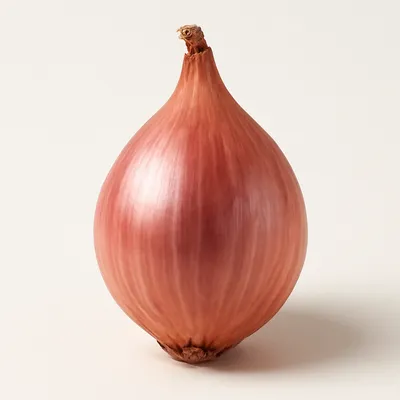
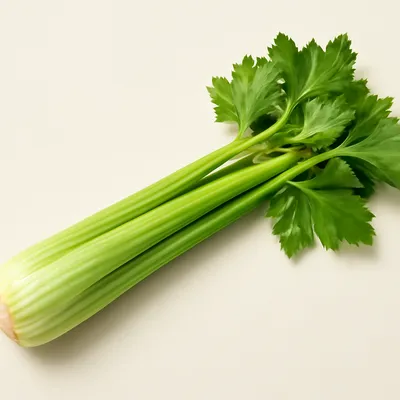
Belgian mussels in white-wine broth — a kilogram of fresh mussels steamed open with white wine, butter, shallot, celery, parsley, and pepper, served bubbling in their cooking pot alongside a mountain of twice-fried Belgian frites. The most-eaten dish in Belgium, with the moules-frites combination being the national identity meal served at every brasserie, café, and beach-front restaurant.



While mussels themselves are a coastal Northern European staple, the moules-frites combination is distinctively Belgian and dates to late-19th-century Brussels, when chip shops (friteries) began pairing their twice-fried frites with steamed mussel pots. The Flemish coast (Knokke, Ostend) and Brussels brasseries developed competing styles, but the Marinière (white wine + shallot) became canonical. Restaurants like Léon de Bruxelles (founded 1893) and Chez Léon have made it iconic. The Belgian sourcing tradition uses Zeeland mussels (from the Dutch Zeeland coast) harvested July through April; the very fattest mussels appear in October. Belgians eat mussels by the kilogram per person, with bread to mop the broth and frites to alternate bites.
A pot of Moules Marinière is theater: the lid comes off, steam billows, the salt-air-and-wine aroma hits, you see hundreds of orange-fleshed mussels gaping open in a glossy buttery broth. First bite: tender mussel meat sweet and briny, broth that's white-wine-bright with mellowed shallot warmth. Each subsequent mussel is a small ritual: pluck with fingers (or with an empty shell as tongs), dip in broth, pop in mouth. Eat a frite. Mussel. Frite. Mussel. Bread for the bottom of the pot. Belgian beer between bites. After 30 mussels you remember why this is what people travel to Belgium for.
Mussels are the simplest seafood cookery — they self-cook in their own released brine. The 4-5 minute steam time is precise: too short and some mussels stay closed; too long and the meat becomes rubbery. Shaking the pot redistributes mussels so those at the bottom (hotter) move to the top. The aromatics (shallot + celery + garlic + thyme + bay) bloom in butter first to extract oils, then the wine extracts further; the mussels' own released seawater adds salt + iodine + minerality. The closing step of 'monter au beurre' (cold butter swirled in at end) gives the broth a glossy emulsified mouthfeel.
Variations
Marinière canonical (white wine + shallot + celery); Provençale (white wine + tomato + garlic); Crème (with cream stirred in at end); à l'Ail (heavy garlic); Beer-style (Hoegaarden or Geuze instead of wine — distinctively Belgian); Curry (with curry powder + cream, modern hybrid); 'Pot à la Léon' (the Léon de Bruxelles signature with celery-leek mirepoix); seasonal: October mussels are fattest and most prized.
On the Palate
Where Moules Marinière à la Belge sits in the Belgian flavor cloud
Ingredients
Serves 4



How it's made
9 steps · 20 min active + 10 min waiting
- 110 min
Buy 2kg fresh mussels (Zeeland or Bouchot if available). Inspect: discard any with broken shells or that don't close when tapped. Scrub the shells under cold running water with a stiff brush; pull off the beard (the fibrous tuft sticking out of the shell).
- 220 min
Soak the cleaned mussels in cold salted water for 20 min to purge any sand. Drain.
- 31 min
In a heavy stockpot or Dutch oven large enough to hold all mussels with 5cm headroom, melt 3 tbsp butter over medium-high heat.
- 44 min
Add 4 shallots (thinly sliced) + 3 celery ribs (thinly sliced) + 4 garlic cloves (minced); sauté 4 min until soft but not browned.
Watch outSweat the shallot and celery just until soft and translucent — let them brown and the broth turns bitter.
- 54 min
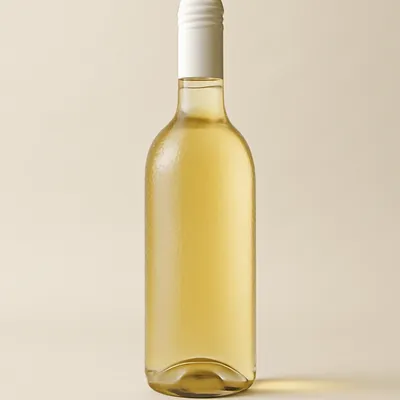
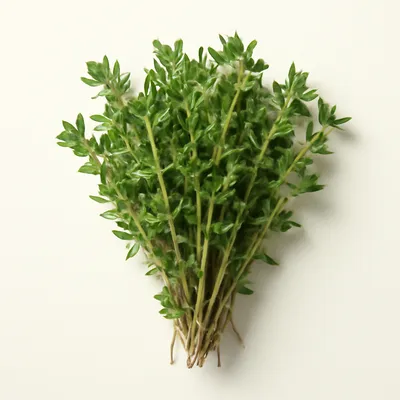
Pour in 400ml dry white wine (Muscadet, Sauvignon Blanc, or Belgian Geuze for adventure). Add 2 bay leaves + 6 sprigs fresh thyme + 1/2 tsp black pepper. Bring to a rolling boil 2 min to cook off alcohol.
- 65 min
Add the mussels in one batch. Cover tightly. Steam over high heat 4-5 min, shaking the pot vigorously twice to redistribute. The mussels open when cooked.
Watch outKeep the lid tight and the heat high; you want a hard steam, and a good shake of the pot halfway through.
- 72 min
Uncover after 4 min and check — most mussels should be open. If some are still closed, cover again 1-2 min more. Discard any that remain closed (these were dead before cooking).
Watch outMost shells should be wide open at four minutes; anything still clamped shut after the extra minute goes in the bin.
- 81 min
Stir in 1/2 cup chopped fresh parsley + 2 tbsp cold butter (for richness); taste broth — adjust with salt if needed (mussels are already salty).
Watch outSwirl the cold butter off the heat until the broth turns silky and glossy, not greasy.
- 93 min
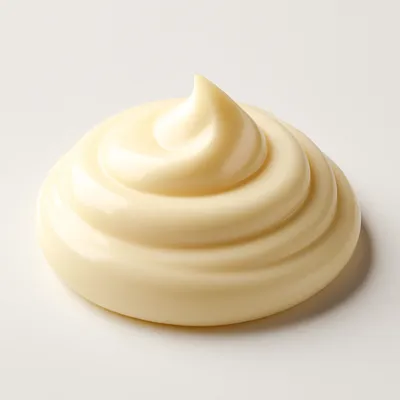
Serve immediately in deep bowls — each person gets a generous pile of mussels with broth. Use an empty mussel shell as tongs to extract meat from other mussels (Belgian style). Pair with hot Belgian frites + mayonnaise on the side + a Trappist beer or the same white wine.
Archive tool suggestions — not reviewed
These legacy suggestions have not been evidence-reviewed and are not presented as required tools.



