The Greek New Year's cake, baked with a coin (the flouri) hidden inside and cut at midnight on the first of January. Whoever finds the coin in their slice is said to have luck for the year ahead. It exists in two main forms — a fluffy orange-and-mahleb cake, and an enriched tsoureki-style sweet bread — and the cutting follows a fixed ritual of slices set aside for the house, the poor, and absent family before anyone eats.




The cake is named for Saint Basil (Vasilios) of Caesarea, whose feast falls on the first of January, and the coin custom is tied to a traditional story in which Basil had taxed valuables returned to the people by baking them into loaves to be shared out. That account is hagiographic tradition rather than documented history, and the broader practice of baking a token into a festive cake to choose a lucky recipient is shared by several cultures. What is firmly established is the cake's fixed place in the Greek New Year and the ceremonial sequence of cutting, which is observed in homes, churches, and community gatherings alike.
The cake version is light and tender, scented with orange zest and a little mahleb or mastic, the crumb soft and faintly fragrant rather than rich. The bread version is springier and chewier, closer to a brioche or tsoureki, often glazed and scattered with almonds or sesame. Both are only lightly sweet — this is a cake eaten for ceremony as much as flavour — and the moment of biting carefully around a possible coin is part of the experience.
The coin, traditionally wrapped in foil, is either pressed into the batter before baking or slipped in through the base afterward; pushing it up from underneath after baking guarantees it does not betray its position by sinking. For the cake form, creaming butter and sugar well and not overmixing the flour keeps the crumb tender; for the bread form, a long enriched dough proof develops the chew. Orange zest and mahleb (ground cherry-pit kernel) supply the cake's characteristic perfume, while a single decorative number for the new year is often pressed onto the top.
Variations
Regional recipes diverge sharply between the cake and bread camps, with northern and island traditions often favouring the enriched bread. Mahleb, mastic, cinnamon, or vanilla may each scent the crumb depending on the household. Some families bake several coins, or add a coin plus small charms; the surface is variously finished with icing sugar, almonds, sesame, or a piped design of the year's date.
On the Palate
Where Vasilopita sits in the Greek flavor cloud
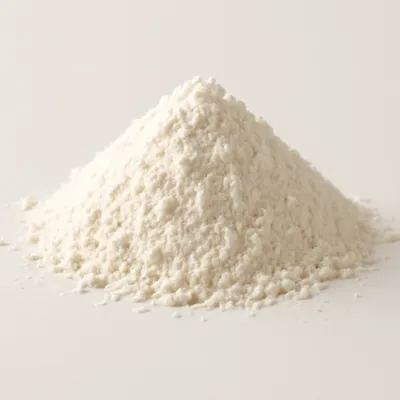
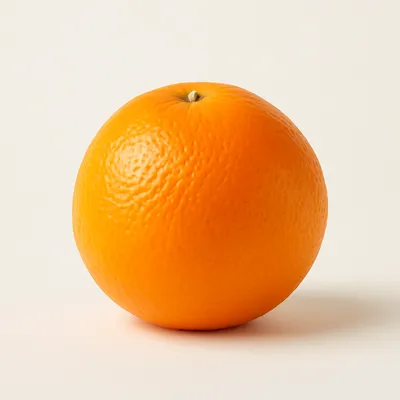
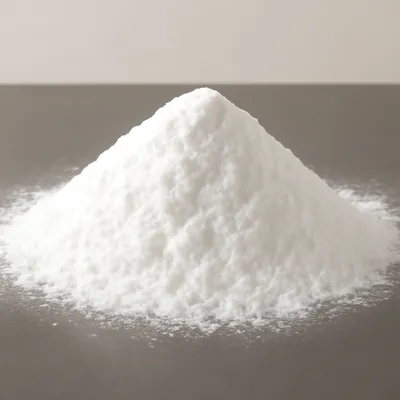
Ingredients
Serves 12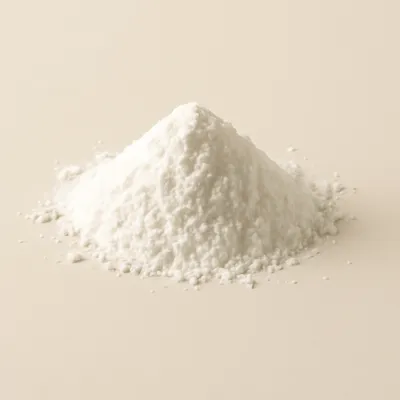
How it's made
6 steps · 30 min
- 18 min
Cream the butter and sugar until pale and fluffy, then beat in the eggs one at a time.
Watch outCream the butter and sugar until pale and fluffy — that whipped air is the crumb's lift, so don't stop while it's still dense and yellow.
- 23 min
Beat in orange zest, juice, and ground mahleb until fragrant.
- 34 min
Fold in the flour and baking powder to a smooth batter without overmixing.
- 45 min
Pour into a buttered round pan and press in the foil-wrapped coin, or reserve it for after baking.
- 545 min
Bake at 175C until risen and golden and a skewer comes out clean, about 45 minutes.
Watch outA skewer comes out clean when it's done — an enriched batter this rich sinks in the middle if pulled underdone.
- 65 min
Cool, dust with icing sugar or glaze, mark the new year's number on top, and cut ceremonially at midnight.
Archive tool suggestions — not reviewed
These legacy suggestions have not been evidence-reviewed and are not presented as required tools.


