An air-dried salt-and-herb cured meat from the Valle d'Aosta and the neighbouring Alpine valleys of northern Piedmont, the region's most distinctive charcuterie. A whole lean cut is rubbed with salt, garlic and mountain herbs, left to take up the cure under its own juices, then hung to dry for months in cool, ventilated mountain air until firm. Historically it was made from chamois or ibex, the game of the high peaks; with those animals now protected it is usually made from beef — the leg of an old cow — or other game. It is sliced very thin and eaten as a starter, classically on rye bread with honey or butter, or with a little walnut oil.





Mocetta — written motsetta or motzetta in the local patois, and in full morseau de vianda setza, «piece of dried meat» — is a cured meat of ancient origin from the Aosta Valley and the Alpine fringe of northern Piedmont, born of the old need to preserve meat through the long mountain winter. Its exact age is unrecorded, though it is described as very old and is sometimes said to appear in frescoes in the valley's castles. It was originally made from the high-mountain game the valley's hunters could take — chamois and ibex especially — but as those animals became legally protected, beef from the legs of old cows became the usual meat, with goat, pork or other game also used. It is recognised as a Prodotto Agroalimentare Tradizionale (a traditional Italian food product) and is listed in the Slow Food Ark of Taste.
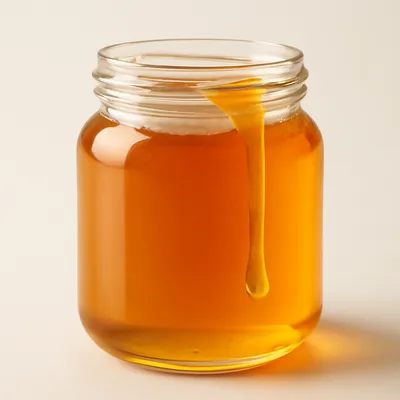
Cut paper-thin, the slices are deep ruby to brown, dense and a little chewy, drier and leaner than a fatty salami. The flavour is concentrated and savoury — clean meat made deeper by the cure, edged with garlic and the resin of the mountain herbs, and saltier than a fresh meat. Beef mocetta is robust and beefy; game versions carry a stronger, wilder note. The classic pairing carries it: laid on rye bread with a thread of honey, the sweetness plays against the salt and the slight gaminess; a little butter or walnut oil rounds it. A good slice is firm but yielding; an over-dried one is hard and overly salty.
Curing here is preservation by drawing out water. The salt rub pulls moisture from the meat by osmosis and lowers its water activity, so that bacteria and moulds which would spoil it can no longer grow; the salt and the aromatics also penetrate and season the flesh as it sits under its own brine. The long, cool, ventilated hang then dehydrates the meat slowly and evenly — too warm and it spoils before it dries, too fast and the outside hardens into a shell that traps moisture inside, a fault called case-hardening. As water leaves, the flavour concentrates and the proteins firm up, while slow enzymatic breakdown deepens the savour. Using a whole lean cut, low in fat, suits the method: there is little fat to turn rancid over the months of drying.
Variations
The meat varies most: beef from old cows is now standard, but goat, pork, horse and game such as chamois or ibex have all been used, the game versions tasting stronger and being the older tradition. The herb cure differs by maker — garlic with bay, rosemary and sage is common, with juniper and other mountain herbs added in some recipes. It is close kin to other Alpine air-dried meats, notably the Lombard bresaola, which is likewise a salted, air-dried lean beef sliced thin; mocetta is generally the more rustic and strongly herbed of the two. It is most often served simply, thin-sliced on rye bread with honey or butter.
On the Palate
Where Mocetta sits in the Italian flavor cloud
Ingredients
Serves 8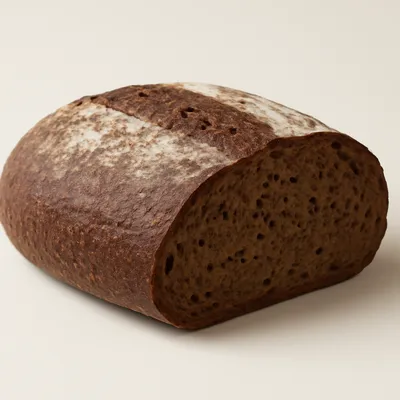
How it's made
6 steps · 30 min
- 120 min
Trim a whole lean cut — traditionally a leg muscle of beef or game — of all surface fat and sinew so it can dry evenly.
- 210 min
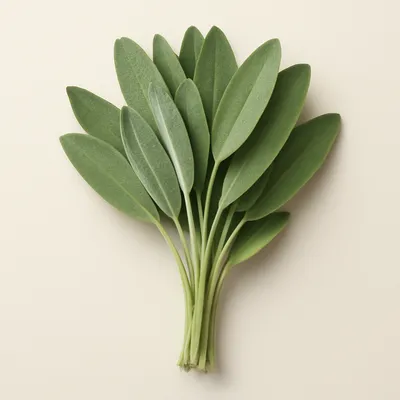
Rub it thoroughly all over with coarse salt together with crushed garlic and mountain herbs such as bay, rosemary and sage.
Watch outRub the trimmed meat thoroughly all over with coarse salt and the aromatics — even coverage is what draws the water out evenly and seasons it as it cures.
- 330240 min
Place the meat in a container, press it under a weight, and leave it to cure in the cold under its own released juices, turning it now and then, for about three weeks.
- 410 min
Lift the meat out, wipe off the excess salt and surface moisture, and check that it is evenly cured.
- 5129600 min
Hang it in a cool, dark, well-ventilated room to air-dry slowly for one to three months, until it is firm and has lost much of its weight.
Watch outAir-dry slowly in a cool, ventilated room for one to three months — too fast and the outside hardens into a shell that traps moisture inside, a spoiled, case-hardened core.
- 610 min
When fully dried, slice it as thinly as possible across the grain and serve it as a starter, classically on rye bread with honey or a little butter or walnut oil.
Archive tool suggestions — not reviewed
These legacy suggestions have not been evidence-reviewed and are not presented as required tools.