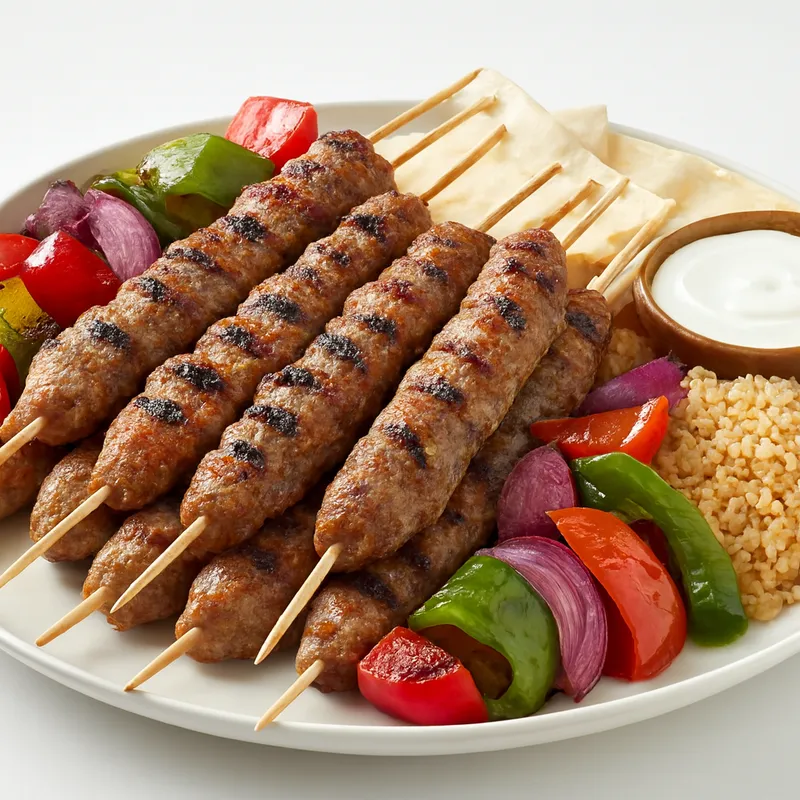
Istanbul-style vertical-spit lamb kebab — thinly-sliced marinated lamb stacked vertically on a rotating spit and slow-roasted, the outer crispy layer shaved off in thin slices to be served in pita bread, on a plate with rice, or in a wrap (dürüm) with vegetables.





Döner kebab (literally 'rotating roast' in Turkish) was invented in Bursa (Marmara region) in the 19th century by Iskender Efendi — whose great-grandfather Mehmet Efendi is credited with the vertical-spit innovation around 1860. Before this, kebab meat was grilled horizontally over coals; the vertical orientation was a fundamental improvement that allowed the meat to self-baste with its own dripping fat, cooked evenly, and was easier to slice and serve. The dish exploded in popularity globally in the late 20th century — German-Turkish guest workers brought döner to West Berlin in the early 1970s; the fast-food sandwich form is widely credited to Kadir Nurman, who began selling it at a stand near West Berlin's Zoo Station in 1972, where it became 'döner kebab' (one of the most popular street foods in Germany today). The Istanbul-style is distinct from German döner: less marinade, more focused lamb flavor, served traditionally on a plate over rice (not in bread) — bread versions are more common as street food. Iskender kebab (a separate dish) is a specific döner preparation served over pieces of pita bread, drenched in hot tomato sauce, melted butter, and yogurt.
Pull a thin shaving of döner off the spit and put it in your mouth — the surface is crispy-charred where it touched the heat (this is the most prized part, called dış kısım, 'the outside'), the inside is tender, juicy, deeply seasoned with yogurt-marinade lactic acid + cumin + sumac. The flavor is rich but not aggressive — restrained for Turkish cuisine, letting the lamb shine. In a pita with tomato-and-onion + a smear of yogurt, the contrast is perfect: hot crispy lamb, cool cold vegetables, smooth yogurt acid. The bread soaks up the meat juices and becomes its own delicious element. Eat 2 servings if you're hungry, 1 with a plate of rice.
Vertical-spit roasting is fundamentally different from horizontal grilling: the meat self-bastes as fat drips down through the stack, the rotation ensures even cooking, and the only-the-outer-layer-cooks technique means each shave is perfectly done (no dry overcooked meat from sitting). The yogurt marinade's lactic acid (pH ~4) tenderizes the meat over 8 hours by partially breaking down muscle proteins. Sumac is the secret seasoning — its tart citric notes brighten the dish. The flat-layered home method approximates the vertical-spit result but with reduced crispness on each slice.
Variations
Istanbul Marmara canonical with lamb + yogurt marinade + vertical spit; Bursa is the dish's birthplace and arguably most authentic; Iskender kebab is a specific Bursa preparation served over bread cubes with butter, yogurt, and tomato sauce (separate dish, different name); German-Turkish döner uses more beef and chicken (cheaper), heavier marinades, often with cabbage salad and garlic sauce; the Mexican 'al pastor' is a Lebanese-Mexican adaptation of vertical-spit kebab brought by Lebanese immigrants; chicken döner (tavuk döner) is popular but considered a 'lite' version by Turks; commercial frozen döner exists but the texture is significantly worse.
On the Palate
Where Döner Kebab sits in the Turkish flavor cloud
Flavor and tenderness both come from the marinade, so rub the yogurt-spice mix into every slice and give it a full 8 hours: the lactic acid slowly loosens the muscle proteins while the sumac, garlic and onion drive the seasoning deep into the lamb.
Ingredients
Serves 8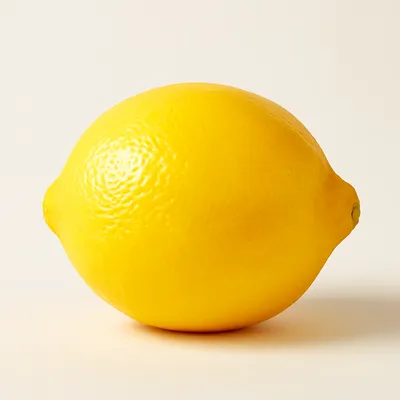








How it's made
8 steps · 1 hour 30 min active + 10 hours 30 min waiting
- 122 min
Prepare meat: slice 1.5kg boneless lamb leg (or shoulder, or a combination) into wide thin slices (about 3-4mm thick, 10-15cm across). You should have 12-15 slices.
- 2485 min
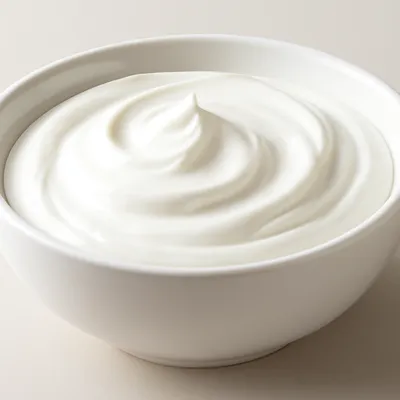
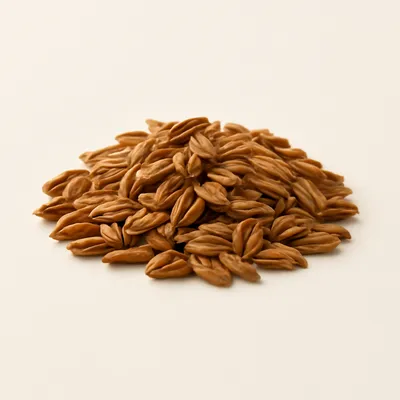
Marinate: in a large bowl, combine 200g full-fat yogurt + 4 minced garlic cloves + 2 tbsp tomato paste + 2 tbsp olive oil + juice of 1 lemon + 1 tbsp sumac + 1 tsp paprika + 1 tsp ground cumin + 1 tsp ground black pepper + 1.5 tsp salt + 1 grated onion (juice included). Add the lamb slices; rub the marinade into each slice; cover; refrigerate 8 hours (overnight is best).
Watch outMassage the marinade into each slice until fully coated, then chill a full 8 hours so the acid can work.
- 38 min
Set up the cooking apparatus: a vertical rotating spit is ideal but rare in home kitchens. The reasonable home alternative is a wide oven-safe vertical skewer arrangement (some kitchenware stores sell home döner spits) OR a vertical stack of lamb slices on a metal rod, supported and cooked in a hot oven, rotated occasionally. ALTERNATIVE FOR HOME COOKS: skip the vertical spit; layer the marinated lamb slices in a deep oven dish (forming a flat 'lasagna' of meat layers), cover with foil, and slow-roast.
- 4245 min
If using vertical spit: thread 12-15 slices vertically on the spit, alternating direction and pressing tightly together. Top with a piece of lamb-tail fat (kuyruk yağı) — this fat melts and bastes the meat below. Cook on a slowly rotating vertical spit over a vertical heat source (gas, charcoal, or electric) for 4-6 hours, slicing off the outer cooked layer every 30 min as it browns.
- 5175 min
If using flat-layered home method: stack marinated slices flat in an oven-safe dish. Roast at 150°C / 300°F for 2.5 hours, covered, then 30 min uncovered at 180°C / 350°F to brown the top.
Watch outRoast covered and low first, then uncover at higher heat just long enough to brown the top layer.
- 68 min
To serve: from the vertical spit, slice off thin shavings of cooked outer layer with a long sharp knife — they should be thin (2-3mm) and partially-crispy. From the flat-layered version, slice the meat against the grain into thin strips.
Watch outShave or slice thin and against the grain so every piece comes off tender.
- 78 min
Plating options: (a) on a plate with butter rice and grilled tomato (Istanbul restaurant style); (b) in a half-pita with chopped tomato, onion, parsley, and yogurt sauce (street-food style); (c) wrapped in lavash with vegetables (dürüm style). The classic Istanbul lunch is option (a). The classic street version is (b) or (c).
- 84 min
Serve immediately. Cold ayran is the canonical drink.
Archive tool suggestions — not reviewed
These legacy suggestions have not been evidence-reviewed and are not presented as required tools.