


Hummus bi tahina is claimed across the Levant, and the quarrel over who owns it is half the dish's story. The earliest written recipe resembling it is in a 13th-century Cairo cookbook (a cold chickpea dish with vinegar and pickled lemon, though without the modern tahini and garlic). The modern tahini-based version emerged in late-Ottoman Beirut and Damascus. Lebanon championed hummus as a national dish and in 2010 set a Guinness record for the largest plate of it — over ten tonnes — as a pointed culinary-political gesture against Israel, which made its own competing record claims. The Beiruti style is recognized for a particular lightness of texture, a cult of getting it mousse-soft that Beirut's hummus shops are judged on.
Astonishingly light and silky, more like a savory mousse than a dip; the tahini is nutty and warm, the lemon bright, the garlic a faint hum. It coats the palate cleanly and leaves a mellow, earthy finish that makes you reach for more bread.
The Beiruti lightness rests on two moves most recipes understate. First, overcook the chickpeas until they nearly disintegrate — their starch granules must burst fully, or the puree stays gritty no matter how long you blend. Second, whip in ice-cold water (or an ice cube) while blending: the cold firms the tahini's emulsion and aerates the paste, lifting it from a dense paste to a mousse. The tahini-lemon-garlic emulsion suspends the chickpea solids in oil and water; whip the tahini with lemon first until it lightens, then add the chickpeas. Garlic must be raw and barely there.
Variations
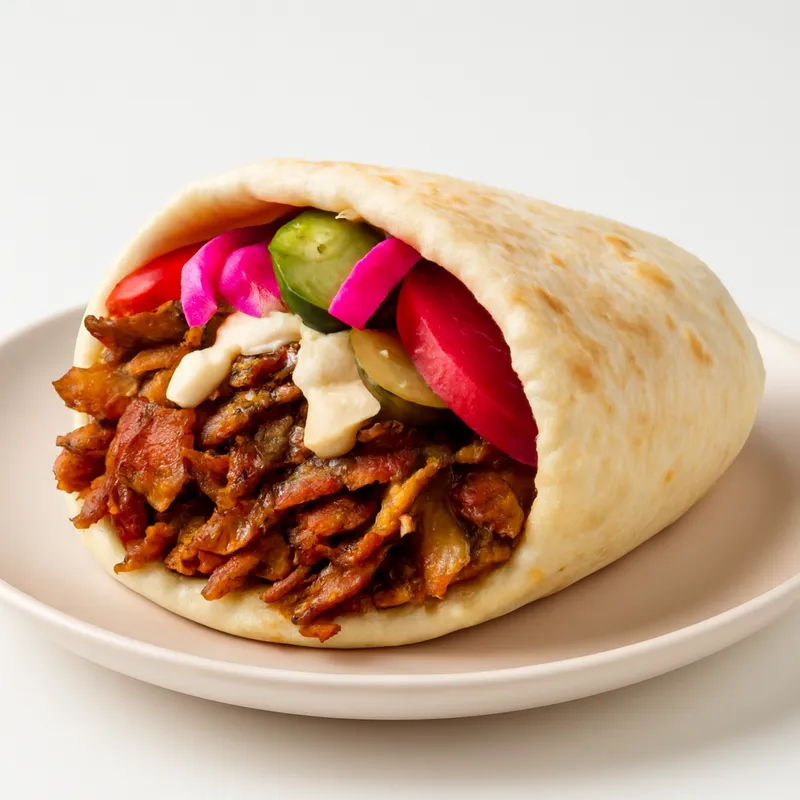
Some Beirut versions crown the hummus with a spoon of warm preserved lamb (awarma) or spiced minced meat. A fatteh variant layers it over crisp pita with yogurt. The strict classic keeps it pure, with only the oil-and-paprika crown.
On the Palate
Where Beiruti Hummus sits in the Lebanese flavor cloud
Ingredients
Serves 6
How it's made
6 steps · 10 min
- 13 min
Drain 500 g cooked chickpeas (from dried, cooked very soft, or 2 cans rinsed); reserve a handful whole for garnish.
- 24 min
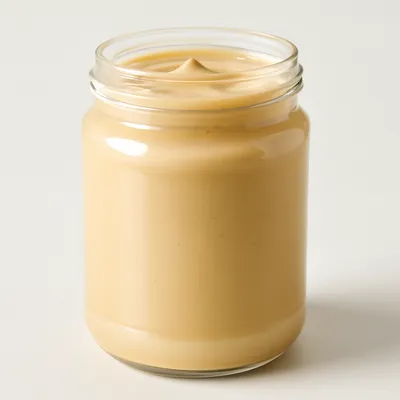
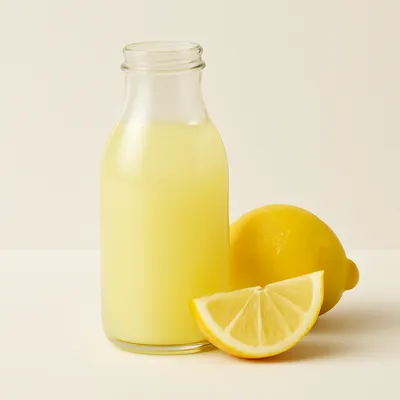
In a blender, whip 1/2 cup tahini with the juice of 2 lemons for 1 minute until it lightens and whitens; add 1 small garlic clove and 1/2 tsp salt.
Watch outWhip the tahini and lemon alone first until it visibly lightens and whitens — skip this and the hummus stays dense instead of mousse-like.
- 35 min
Add the chickpeas and blend; with the motor running, drizzle in 3-4 tbsp ice-cold water (or an ice cube) and 1/3 cup olive oil; blend 3-4 minutes until pale, airy and mousse-like.
Watch outThe ice-cold water is the trick — it firms the emulsion and aerates the paste; keep blending till it's pale and airy, not dense.
- 42 min
Taste and adjust lemon and salt; the texture should fall in a soft ribbon.
- 52 min
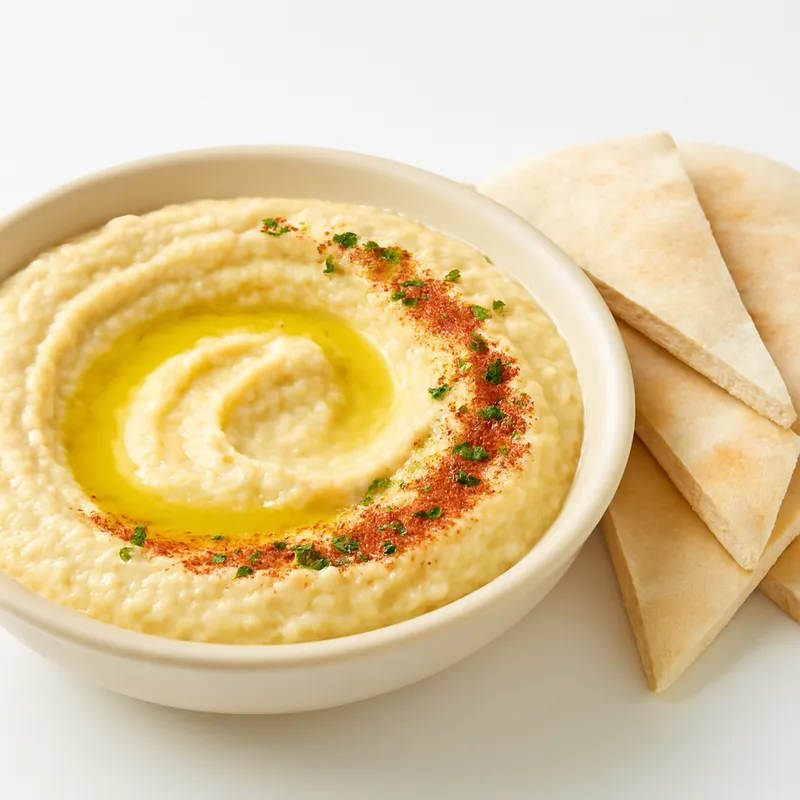
Spread on a shallow plate, swirling the back of a spoon to make a rimmed well.
- 62 min
Pour good olive oil into the well; scatter the reserved whole chickpeas, a pinch of paprika or sumac, and chopped parsley; serve with warm pita.
Archive tool suggestions — not reviewed
These legacy suggestions have not been evidence-reviewed and are not presented as required tools.