
Istanbul Ottoman-era confection — sugar syrup cooked with cornstarch and tartaric acid into a gel, flavored with rosewater (canonical) or lemon/cinnamon/pistachio variants, set firm, cut into cubes and dusted with powdered sugar — the world-famous Turkish Delight.

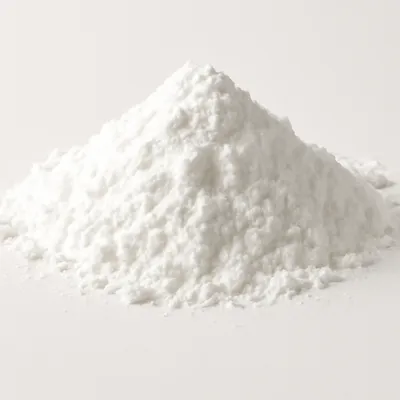
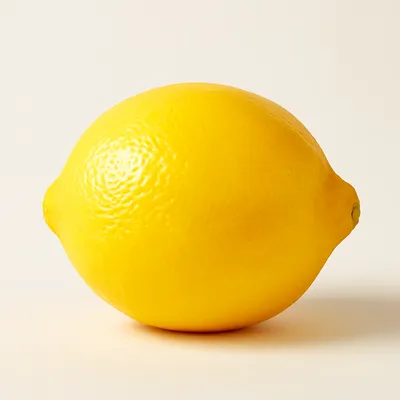

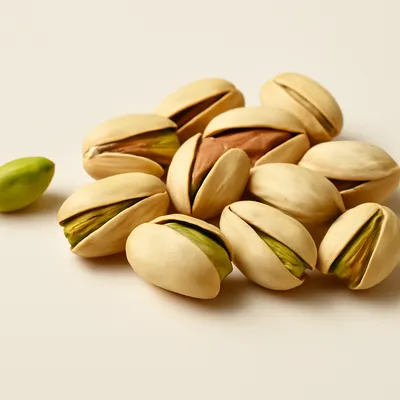
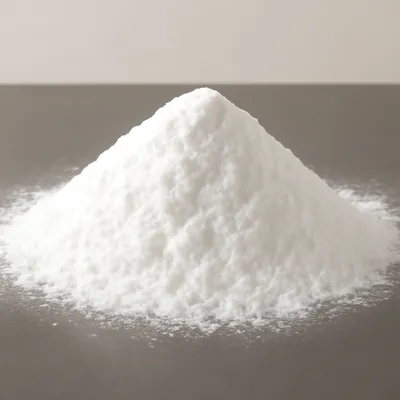
Lokum (also locum, Turkish Delight, lokum is from Arabic 'rāḥat al-ḥulqūm' meaning 'satisfaction of the throat') was invented in Istanbul in the late 18th century by Bekir Effendi, a confectioner from Kastamonu province who moved to Istanbul. His shop, Hacı Bekir, founded in 1777, still operates today as the world's longest-continuous confectionery business. Lokum quickly became a favorite at the Ottoman court; by the 19th century it had spread across Europe via travelers and ambassadors, where it became 'Turkish Delight'; it made its international fair debut at the 1873 Vienna World's Fair, and Bekir's key innovation was substituting starch for flour, which enabled the modern supple texture and mass production. The recipe is a starch-and-sugar gel — quite different from European jelly candies that use gelatin. Traditional flavors are rosewater (gül lokumu), lemon (limonlu), cinnamon (tarçınlı), and pistachio (fıstıklı). Modern flavors include orange, mint, hazelnut, and chocolate.
A piece of properly-made lokum is unlike anything else — soft-yielding but firm-elastic at the same time, gel-like but not gummy. Bite in: the powdered-sugar dusting hits the lip first, then the rosewater fragrance fills the mouth (or whatever flavor — pistachio is excellent, lemon is refreshing, cinnamon is warming), then the slow gentle sweetness as the gel dissolves. Lokum is one of those confections that you don't chew much — you let it slowly melt as you sip tea. Two pieces is right; four is over-indulgent; one pound of homemade lokum is a serious gift to give to Turkish in-laws (who will judge you on it).
Lokum's texture comes from cornstarch gelatinization — when cornstarch is cooked with sugar and acid in water, the starch granules swell, burst, and form a continuous gel network. An acidulant is essential because it slows the gelatinization and creates the characteristic 'long' texture (chewy-stretchy) rather than the 'short' texture (gummy) that pure-starch gels develop. The 60-90 min slow cook is necessary to fully cook out the raw cornstarch flavor and develop maximum gel strength. The powdered-sugar-and-cornstarch dusting is functional: it prevents the cubes from sticking together and to fingers.
Variations
Hacı Bekir canonical recipe (Istanbul, since 1777) — rosewater + pistachio is the most famous; modern producers offer dozens of flavors including chocolate, hazelnut, walnut, mint, citrus mix; commercial supermarket lokum is often dry and crumbly (too little water in production) — real lokum is sticky-supple; the British 'Turkish Delight' marketed by Cadbury is essentially a different product (lokum-flavored chocolate, not actual lokum); making at home is hard — most home cooks underestimate the 60-90 min slow cook required.
On the Palate
Where Lokum sits in the Turkish flavor cloud
Ingredients
Serves 30
How it's made
10 steps · 1 hour 30 min active + 23 hours 30 min waiting
- 13 min
Equipment needed: a heavy-bottomed saucepan, a candy thermometer, a 20x20cm square pan lined with parchment paper.
- 212 min
Make sugar syrup: in the saucepan, combine 500g sugar + 250ml water + 1 tsp lemon juice. Bring to a boil over medium heat without stirring. Cook to 117°C / 243°F (soft-ball stage). Off heat.
Watch outCook the syrup to soft-ball stage (117°C) — a dropped bead should hold a soft, pinchable ball in cold water; too low and the lokum never sets, too high and it turns hard and dry.
- 34 min
Make starch slurry: in a separate bowl, whisk 100g cornstarch + 1 tsp tartaric acid (cream of tartar) + 400ml cold water until completely smooth.
- 46 min
Pour the starch slurry into a clean heavy saucepan. Cook over medium heat, whisking constantly, until the mixture becomes thick and translucent (about 5 min). This is critical — undercooked starch gives a stretchy texture, overcooked starch gives a gluey one.
Watch outWhisk the starch until it turns thick and clear like glue — undercooked leaves it stretchy, overcooked goes gluey; that translucent, ribbon-heavy stage is the moment.
- 575 min
Slowly stream the hot sugar syrup into the cooked starch, whisking constantly to prevent lumps. Once combined, cook the mixture over very low heat, stirring constantly with a wooden spoon, for 60-90 min. The mixture will gradually thicken, darken slightly, and the cornstarch flavor will cook out. The texture should be like a very thick, glossy, sticky-elastic paste. This long cook is what gives lokum its unique chewy-firm texture.
Watch outKeep it barely bubbling and stir without stopping for the full hour-plus — it's ready when the paste turns glossy, deep, and pulls in thick sticky elastic ribbons off the spoon.
- 65 min
Add flavoring (during last 5 min of cook): for canonical rosewater lokum, stir in 2 tbsp rosewater + 2 drops red food coloring (or beet juice for natural pink). For lemon, omit rose and add 2 tbsp lemon juice + 1 tsp lemon zest. For cinnamon, add 2 tsp ground cinnamon + 2 tsp orange-blossom water.
- 70 min
Optional: stir in 1/2 cup chopped pistachios for fıstıklı lokum. Or other nuts of choice.
- 8740 min
Pour the hot lokum mixture into the parchment-lined 20x20cm pan, smoothing the surface. Cover with another parchment sheet pressed onto the surface. Let cool at room temperature 12-24 hours until firm.
- 916 min
Cut and dust: prepare a dusting mixture of 50g cornstarch + 50g powdered sugar. Turn the set lokum out onto a generously-dusted work surface. With an oiled sharp knife, cut into 2.5cm cubes. Toss each cube in the dusting mixture until completely coated.
Watch outCut only with an oiled blade on a heavily dusted surface — the cornstarch-sugar coat is what stops the cubes gluing back together, so coat every face.
- 100 min
Store in an airtight tin lined with parchment, in single layers separated by parchment. Lokum keeps at room temperature 1 month; do not refrigerate (causes weeping and texture changes). Serve with strong Turkish coffee or tea — the canonical pairing.
Archive tool suggestions — not reviewed
These legacy suggestions have not been evidence-reviewed and are not presented as required tools.

Hand-held wire loop tool for beating eggs, whipping cream, emulsifying dressings, and incorporating air into batters. Balloon whisks (large round head) for whipping cream and meringues; French whisks (narrow tear-drop) for sauces in pots; flat whisks (gravy) for pan sauces. Stainless steel is universal; silicone-coated for non-stick pans.

Round metal pot, 14-26 cm diameter, with vertical walls and a long handle, designed for sauces, soups, oatmeal, rice, boiled vegetables. The vertical walls minimize evaporation (vs. a sauté pan). Sizes: 1 qt for melting butter, 2-3 qt for sauces, 4 qt for soups. Stainless-steel-clad aluminum or copper is best for conduction; cast-iron is too thick for delicate sauces.


