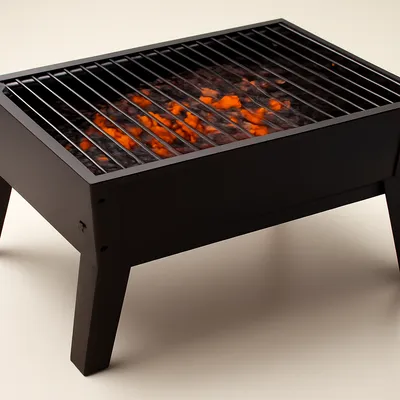
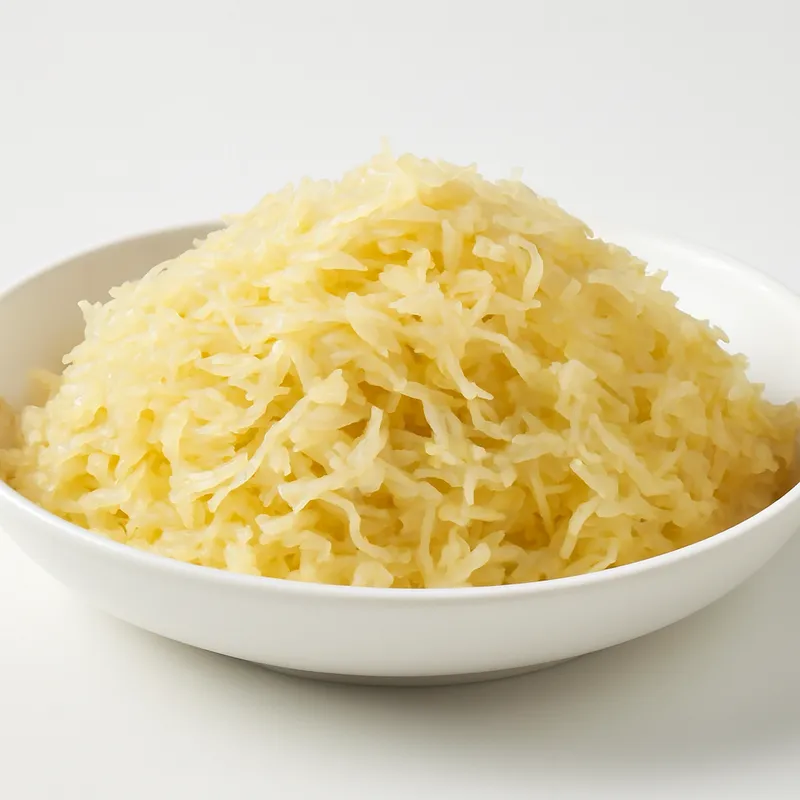
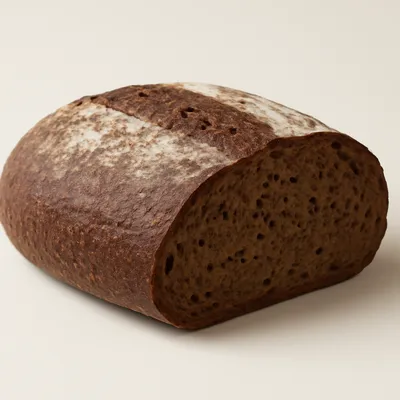
Fist-sized chunks of marbled pork, seasoned simply with salt, pepper and marjoram, threaded onto spits and roasted slowly over open birch-wood embers. The birch smoke is the whole flavor, and the meat turns for two hours or more above the fire until the edges crisp and the inside stays juicy. A speciality of eastern Thuringia around Schmölln, Altenburg and the wooded Holzland, it is served plainly with bread, sauerkraut and mustard.





Mutzbraten is documented as a public offering from the early 20th century in the town of Schmölln, which styles itself a Mutzbraten town, and is rooted in eastern Thuringia around Altenburg and the Holzland. The name comes from the local dialect word Mutz for a tailless animal, used jokingly for the pig. It grew up as festival and tavern food where children once turned the spits in the smoke for a free portion; in GDR years cooks improvised mechanical turners, famously rigging windscreen-wiper motors from Trabant cars to a battery to rotate the spits.
Chunks the size of a fist with a crisp, smoke-darkened crust and a juicy, marbled interior that pulls apart in coarse shreds. The dominant note is birch-wood smoke, with marjoram coming through and the pork fat carrying both. It is deliberately under-seasoned beyond smoke and herb, so the wood does the talking. Eaten off the spit or hand, with sour sauerkraut, fresh bread and mustard to balance the fat and smoke; ketchup is frowned upon by tradition.
Birch is the technical heart: it burns hot and clean with a faintly sweet smoke that defines the dish, and the meat cooks by radiant heat from the embers rather than direct flame. Pork neck or shoulder is chosen for marbling, since two hours over fire would render a lean cut dry; the intramuscular fat bastes the chunk from within and crisps the surface. Slow rotation on the spit-stand is what builds an even, lacquered crust while the fat keeps the core moist — rush it over flame and the outside scorches before the center is done.
Variations
The simplest seasoning — salt, pepper, marjoram — is the most traditional, though some marinate the chunks for several hours first, and households vary the herb hand. The cut shifts between neck and shoulder by butcher and taste. Versions appear across the Thuringian Forest at festivals and grill huts, where it shares the wood fire with Rostbratwurst and Rostbrätel; the constant is birch wood and the sauerkraut-and-bread plate.
On the Palate
Where Mutzbraten sits in the German flavor cloud
Ingredients
Serves 4
How it's made
6 steps · 50 min
- 115 min
Cut the pork neck into fist-sized chunks and season generously with salt, pepper and plenty of marjoram.
- 2180 min
Let the seasoned meat rest a few hours so the herb works in.
- 320 min
Build a birch-wood fire and let it burn down to glowing embers with no open flame.
Watch outBurn the birch down to glowing embers with no open flame — cooking is by radiant heat off the coals, and direct flame scorches the outside before the center's done.
- 45 min
Thread the chunks onto spits and set them on the stand above the embers.
- 5120 min
Roast slowly, turning often, for about 2 hours until the crust is crisp and dark and the center is cooked through and juicy.
Watch outTurn often over the full two hours to build an even lacquered crust while the marbling keeps the core moist — rush it and the outside blackens raw inside.
- 65 min
Rest briefly off the heat, then serve with sauerkraut, fresh bread and mustard.
Archive tool suggestions — not reviewed
These legacy suggestions have not been evidence-reviewed and are not presented as required tools.