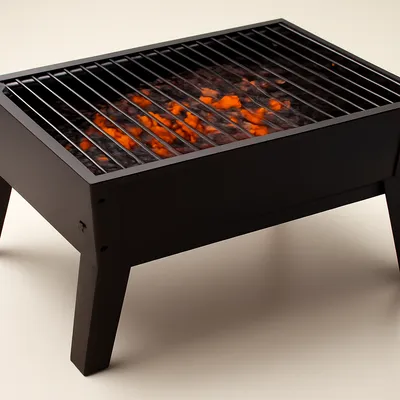
Whole sea conch roasted over glowing charcoal in an open brazier — the shell becomes a natural cooking vessel that seals in briny juices while the outer meat chars lightly. Served sizzling at the table, sliced thin, and dipped in a mixture of fish sauce and fresh chili. It represents the Teochew philosophy of letting fine seafood speak through fire alone.





The open-brazier (明炉) tradition of roasting shellfish is a Teochew coastal practice tracing to the fishing villages of the Chaoshan plain, where the catch was charred directly over driftwood fires on the beach. As Shantou urbanised through the late Qing era, restaurant kitchens formalised the technique into purpose-built charcoal furnaces set at or near the dining table — a display of culinary transparency prized by Teochew diners who valued the proof that nothing was hidden behind heavy sauces. Fragrant fruitwood charcoal, including lychee wood, became associated with this style because it burns at a consistent, smoke-reduced temperature and lends a faint floral note that complements rather than overpowers marine shellfish. The dish is listed among classic seafood preparations in Teochew cuisine surveys, including references in Guangdong culinary media.
The first bite delivers a char-edged crunch that gives way to a firm, ocean-sweet chew. The fish sauce dip cuts through the richness with a salty-pungent jolt, and the lingering smoke of the fruitwood charcoal stays on the palate long after the last slice is gone.
The shell's calcium carbonate structure conducts heat unevenly: the outer muscle is exposed to direct flame above 140°C and undergoes Maillard browning, generating roasted aromatic compounds; meanwhile the sealed cavity traps vaporising juices, elevating internal pressure and steam-cooking the deeper meat simultaneously at roughly 100°C. Conch foot-muscle is composed of dense cross-linked actin-myosin fibres that firm pleasantly at 65–70°C but toughen and shrink rapidly above 80°C — precise timing over charcoal is therefore essential to achieving the characteristic crisp-tender bite.
Variations
Blanched conch (白灼响螺) with soy-ginger dip is the simpler everyday preparation; thinly sliced raw conch is served at premium banquets for its clean, marine sweetness; conch slices stir-fried with salted preserved vegetables (咸菜炒螺片) offer a punchier home-style flavour.
On the Palate
Where Open-Flame Roasted Conch sits in the Chinese flavor cloud
Ingredients
Serves 4How it's made
7 steps · 25 min
- 15 min
Scrub the conch shells thoroughly under running water; insert a skewer into each opening to confirm the foot muscle is firm and the conch is alive.
- 225 min
Light the fruitwood charcoal in the open brazier and fan until white-hot with no black smoke remaining — this takes 20–25 minutes.
Watch outFan the fruitwood charcoal until it's white-hot with no black smoke — resinous smoke fouls the flavor; you want clean radiant heat.
- 32 min
Place each conch shell opening-side up directly on the grill grate; drop a few drops of rice wine and a slice of ginger into each shell opening.
- 412 min
Roast for 10–12 minutes, rotating the shells 90° every 3 minutes for even heat, until the exterior is lightly blackened and juices are audibly bubbling inside.
Watch outRoast opening-side up until the outside just blackens and the juices audibly bubble — the sealed shell steams the deep meat in its own liquor.
- 53 min
Remove from heat; use a long skewer to extract the whole foot muscle from each shell. Discard the entrails and the hard operculum lid.
- 63 min
Slice the foot muscle thinly on an angle against the grain to maximise tenderness.
Watch outSlice the foot thin against the grain — the muscle firms fast past 80°C, so cutting across the fibers is what keeps it crisp-tender.
- 72 min
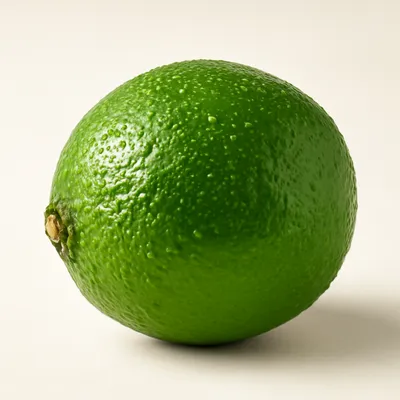
Arrange slices on a warmed plate and serve immediately with a dipping bowl of Teochew fish sauce, fresh red chili rings, and a squeeze of lime.
Archive tool suggestions — not reviewed
These legacy suggestions have not been evidence-reviewed and are not presented as required tools.