Whole fresh matsutake mushrooms from the high-altitude forests of Shangri-La, sliced thick and grilled directly over hardwood charcoal with a thin coat of butter. Nothing more — the ritual is deliberate restraint, letting the mushroom's volcanic perfume speak entirely for itself.



Matsutake has been harvested in the Hengduan Mountains of Yunnan — especially around present-day Shangri-La (Diqing Tibetan Autonomous Prefecture) — for generations by Tibetan communities. The mushroom was historically called "臭鸡枞" (stinky tricholoma) by lowland Han, who found its medicinal scent off-putting, while Tibetan herders prized it and fire-roasted it simply with butter or yak fat — mirroring how nomadic cultures across the plateau have always treated rare forest finds. Shangri-La matsutake received China's geographic origin mark designation in 2003 and was recognised as a national geographical indication (GI) product in 2016; today Yunnan supplies 60–70% of China's entire matsutake output, exporting several hundred tons annually to Japan and South Korea.
A thick slice arrives still sizzling, its cut face bronzed and faintly caramelized. The first bite gives slight resistance — dense, almost meaty fibers — then yields to a wave of forest-floor warmth: pine resin, warm soil, and something faintly cinnamon-spiced. The butter pools in the gills and lingers long after you swallow.
Matsutake's signature aroma comes from two key volatile compounds: 1-octen-3-ol (the "mushroom alcohol" responsible for its earthy, herbal base note) and methyl cinnamate (which gives the distinctive sweet-spicy warmth). Both are heat-labile — charcoal grilling at around 200–220°C volatilizes them quickly, creating an intensely perfumed plume. Simultaneously, the Maillard reaction browns the cut surfaces, generating pyrazines and furanones that add roasted depth. The butter coat acts as a lipid carrier, trapping and concentrating these aromatic molecules and delivering them in a sustained wave on the palate.
Variations
Tibetan yak-butter version: replace butter with hand-churned yak butter for a richer, barnyard-tanged glaze. Soy-sake glaze: popular in Japanese-influenced Yunnan restaurants, a light brush of soy and mirin adds umami lacquer without masking the pine note. Matsutake rice (松茸饭): thinly sliced mushroom laid over steamed rice and finished with a drop of sudachi or local lemon — a minimalist cousin to Japanese matsutake gohan.
On the Palate
Where Charcoal-Grilled Matsutake sits in the Chinese flavor cloud
Ingredients
Serves 2How it's made
7 steps · 10 min
- 12 min
Source fresh matsutake; wipe caps and stems clean with a damp cloth — do not rinse under water, which dilutes the aroma.
Watch outWipe the matsutake clean with a damp cloth, never rinse — soaking washes out the prized aroma that's the entire reason for the dish.
- 22 min
Slice lengthwise into 8–10 mm thick pieces, keeping the stem attached to show the full cross-section.
- 35 min
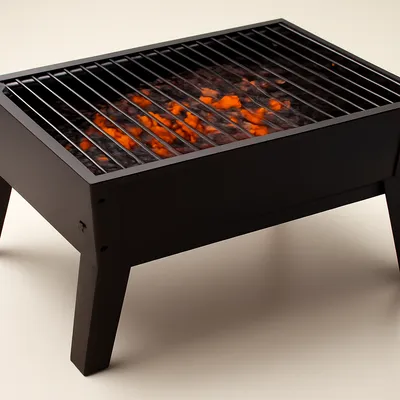
Light hardwood charcoal (lychee, oak or pine branch) and let it reach a grey-ashed, steady-heat stage with no open flame.
- 44 min
Lay slices directly on the grill grate; grill undisturbed for 3–4 minutes until the underside turns golden and develops light char marks.
Watch outGrill undisturbed until the underside is golden with light char marks before flipping — move it too early and it sticks and tears, and the char won't set.
- 51 min
Flip once; brush the grilled side lightly with softened butter or yak butter.
- 63 min
Grill the second side for 2–3 minutes; brush again with butter when small beads of moisture appear on the surface.
- 71 min
Transfer immediately to a warm plate; season with a tiny pinch of flaky salt and serve within 30 seconds while steam is still rising.
Archive tool suggestions — not reviewed
These legacy suggestions have not been evidence-reviewed and are not presented as required tools.