A Ningbo (Yong) classic counted among the city's celebrated Ten Famous Dishes. Prized local river eel is steamed for about an hour until meltingly tender, deboned while the skin turns cicada-wing translucent, then red-braised in dark soy, sugar and yellow wine to a glossy copper-purple. The collagen-rich skin and rendered fat give a soft, glutinous, lip-coating richness — deeply savory with the gentle sweet edge of Ningbo cooking, the segments left whole and unbroken. It is widely regarded as the most technically demanding of Ningbo's freshwater dishes.
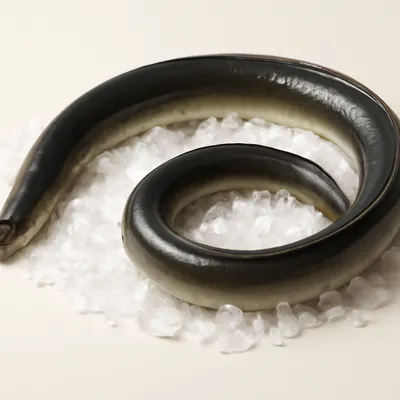



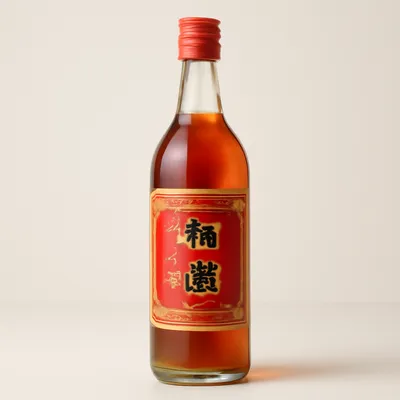
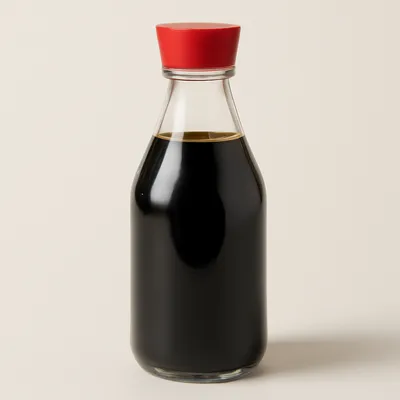
River eel has long been a treasured freshwater catch for Ningbo cooks, the fish from the area's rivers and lakes prized as 'native-pond eel' (本塘河鳗). Ningbo's eel cookery runs deep: when the city held its first Famous Dishes and Pastries Exhibition in 1956 and named its 'Ten Famous Dishes,' 锅烧河鳗 was directly among the ten recognized dishes, alongside sugar-braised soft-shell turtle and seaweed-battered yellow croaker. By tradition, this refined preparation rose to fame after Ningbo was opened as one of the five treaty ports in the mid-19th century, when commerce and the restaurant trade flourished. Its difficulty lies entirely in the deboning: the eel must be steamed until meltingly soft and its skin thinned to a cicada-wing translucency, then the spine drawn out whole without tearing the skin or breaking the segments, and finally red-braised so that not a single blemish mars the surface — which is why Ningbo's chefs have long treated a flawless plate of pan-braised eel as the measure of a master's skill.
Glossy copper-purple, the segments sitting whole and neatly arranged. The first sensation is the gelatinous skin — soft, glutinous, all but melting on the tongue, the subcutaneous fat rich without a trace of mud or fishiness. The flesh is meltingly tender and slips from any bone, its salty-savory depth carrying the faint sweet finish typical of Ningbo cooking. The thick braising sauce, heavy with dissolved gelatin, clings to lips and chopsticks and grows more fragrant with every bite — a classic match for warm yellow wine.
River eel is covered in a layer of mucus glycoprotein, slick and raw-tasting, which must first be set by scalding with water at about 70–80°C and then wiped away to remove off-flavors. The skin and subcutaneous connective tissue are rich in type-I collagen, and the subcutaneous fat content is high (over ten grams per hundred). Steaming over high heat for about an hour uses moist heat to progressively unwind the collagen's triple-helix structure and hydrolyze it into soluble gelatin, so the flesh turns meltingly soft and the skin becomes cicada-wing translucent; at the same time the connective tissue binding flesh to spine is softened, letting the whole backbone be drawn out without the segments falling apart. The melted fat and gelatin together give the characteristic soft, glutinous, rich-but-not-greasy mouthfeel. In the final red-braise, the dark soy sauce (brewed soy is high in free glutamate) and sugar undergo Maillard browning and caramelization, producing the glossy copper-purple color and deep soy aroma; as the sauce reduces, dissolved gelatin thickens it naturally so it coats lips and chopsticks with no added starch, while the sugar's sweetness balances the salt-savory base — the hallmark heavy-soy, savory-sweet profile of Ningbo cuisine.
Variations
Home cooks often skip the deboning and red-braise the eel on the bone — still called 锅烧河鳗 — while restaurants prize the deboned version (剔骨锅烧河鳗), spine removed yet segments intact, as the true test of skill. Its sibling on the famous-dishes list, steamed river eel (清蒸河鳗), skips the red-braise entirely, cooked only with scallion, ginger and yellow wine for a cleaner, more delicate taste. The eel may also be left uncut and coiled whole in the bowl for a more dramatic presentation. Pan-braised river eel is a shared classic of both Ningbo and Shanghai (本帮) cooking, the Shanghai version seasoned a touch differently. The same fish, salted and wind-dried, yields another Ningbo specialty entirely — fresh-wind eel jerky (新风鳗鲞).
On the Palate
Where Pan-Braised River Eel sits in the Chinese flavor cloud
Ingredients
Serves 4


How it's made
8 steps · 40 min active + 1 hour waiting
- 18 min
Slaughter the eel: make a cut at the pectoral fin and another at the vent to sever the spine while keeping skin and flesh joined; bleed it thoroughly.
- 25 min
Place the eel in a wooden tub and pour over water at about 70–80°C to scald the skin; while hot, quickly wipe off the white surface mucus with a cloth, then rinse clean.
Watch outScald the skin with 70–80°C water, then wipe off the white mucus fast while hot — leave that slime and the dish tastes raw and slippery.
- 38 min
Insert two bamboo chopsticks from the throat into the belly and twist in one direction to draw out the innards in a single pull; wash, trim off head and tail, and cut the body into roughly 6 cm segments.
- 460 min
Coil the segments in order into a steaming bowl; add scallion sections, ginger slices and yellow wine, and steam over high heat about 1 hour until the flesh is meltingly soft and the skin turns cicada-wing translucent; discard the scallion and ginger.
Watch outSteam about an hour until the flesh is meltingly soft and the skin turns cicada-wing translucent — that's the collagen finally gelatinized.
- 56 min
While hot, carefully lift out the whole spine and large bones, keeping the skin intact and the segments unbroken (home cooks may skip this and braise on the bone).
- 62 min
Heat cooking oil in a wok; fry scallion sections and minced ginger until fragrant.
- 710 min
Add the steamed eel segments and diced pork leaf fat, then the yellow wine, dark soy sauce, sugar, a pinch of MSG and about 250 ml light stock; cover and braise over low heat about 10 minutes until the sauce is thick and the color turns copper-purple.
Watch outBraise until the sauce runs thick and the color turns copper-purple — pull it there; go further and the tender flesh falls apart.
- 81 min
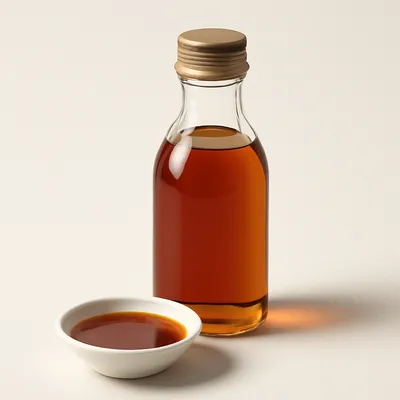
Drizzle a little hot oil down the side of the wok, swirl to glaze the segments, finish with sesame oil, and slide gently onto a plate to serve.
Archive tool suggestions — not reviewed
These legacy suggestions have not been evidence-reviewed and are not presented as required tools.


