
Munich white veal sausage — finely-emulsified veal and pork-back-bacon sausage flavored with parsley, lemon zest, mace and cardamom, simmered (never boiled) in hot water and served immediately with süßer Senf (sweet Bavarian mustard), Brezn (pretzels), and Weissbier — the strict pre-noon breakfast tradition.


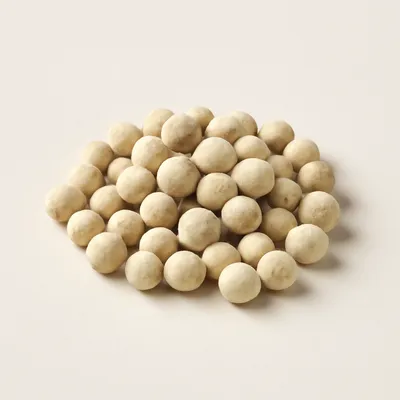

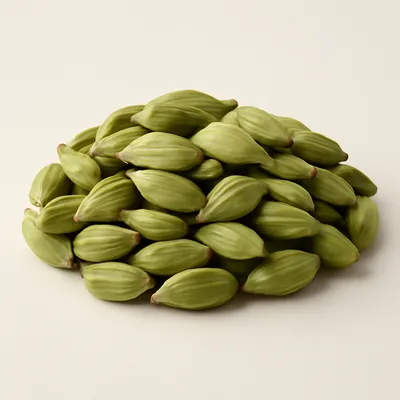
Weisswurst was invented on February 22, 1857, at the Gasthaus Zum Ewigen Licht in Munich's Marienplatz by butcher Sepp Moser — the documented origin makes it one of the rare regional dishes with a precise birth date. Moser had run out of his usual (thin, sheep) casings and improvised by using wider pork-intestine casings; he made the filling pale (veal + back-bacon emulsion, no smoking) because the thin casings would burn on a grill. The result was a delicate sausage that had to be poached, not grilled. The dish became fashionable in Munich's Hofbräuhaus culture, and by 1900 every Munich butcher made Weisswurst. The strict 'before-noon' tradition (the so-called 'Zwölfuhrgrenze' or 'noon-boundary') comes from pre-refrigeration days when fresh Weisswurst had to be eaten the morning it was made; even today, traditional Munich Weisswurst houses refuse to serve them after 12 noon. The canonical breakfast is Weisswurst + Brezel + süßer Senf + Weissbier.
A hot Weisswurst from the poaching water has the palest interior of any sausage — almost translucent gray-white, smooth and unctuous, with visible green flecks of parsley throughout. Slit the casing, lift the warm filling onto your plate, scoop with a knife edge, dip in sweet mustard, take a bite of pretzel, sip the Weissbier — this is the canonical four-element Munich breakfast. The flavor is mild-veal + lemon + parsley + cardamom undertone, the texture is paté-fine. Süßer Senf is the perfect partner — its sweet-mustard sharpness cuts the rich emulsion. Every Munich brewery has its own house Weisswurst style; the Hofbräuhaus version is the most famous.
Weisswurst is technically an emulsion sausage (brühwurst) — the meat is ground twice through a fine plate then mixed with ice to keep the temperature below 12°C, which is the critical limit above which fat would 'break' the emulsion. The chilled, fine emulsion produces the dish's signature paté-like smoothness. The poaching at 75°C (not boiling) is structural: the delicate emulsion casings would burst at boiling temperatures, and the loose emulsion would coarsen. The lack of curing salt or nitrates is what keeps Weisswurst pale gray-white (cured sausages would be pink); this is also why traditional Weisswurst must be eaten same-day — no preservation.
Variations
Munich canonical (Hofbräuhaus, Augustiner, Ayinger styles); Salzburg-Bavarian variant uses more cardamom; modern Bavarian butchers sometimes add green-and-white parsley + chives for stronger color contrast; 'Münchner Weisswurst' is the canonical reference; commercial frozen Weisswurst (sold in supermarkets) is acceptable but lacks the freshness of butcher-made; vegetarian/vegan Weisswurst alternatives exist using seitan and lupini beans (controversial — most Bavarians refuse to consider these 'Weisswurst'); making at home is difficult — fresh natural casings and a meat-grinder/stuffer are essential.
On the Palate
Where Weisswurst sits in the German flavor cloud
Keep the emulsion cold with ice while you mix, then poach at a bare 75 degrees — the fat breaks above 12 degrees and the delicate casings burst at a boil, so temperature control is everything.
Ingredients
Serves 4
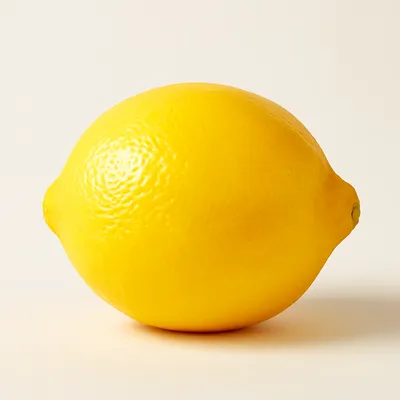

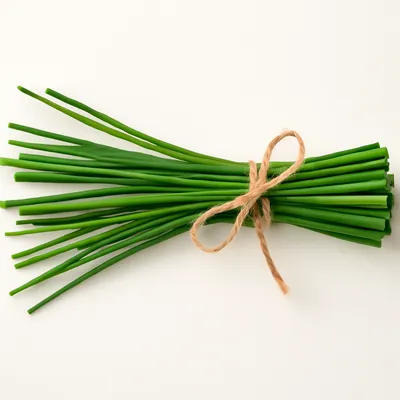


How it's made
8 steps · 30 min active + 30 min waiting
- 13 min
Note: making Weisswurst at home requires a meat grinder, sausage stuffer, and natural hog or sheep casings (sheep is more authentic but harder to find). The recipe below produces 4 portions worth (~16 sausages).
- 250 min
Cut 500g veal shoulder + 300g pork back-bacon (or fatty pork belly) into 2cm cubes. Place in freezer 45 min until very firm but not frozen solid (this is essential for clean emulsification).
Watch outMeat cubes very firm and cold from the freezer, but not frozen rock-solid.
- 38 min
Grind the chilled meat through a fine plate (3mm) twice. Place ground meat in a large chilled bowl. Add 150g crushed ice gradually while mixing — the ice keeps the emulsion cold during the mixing.
- 44 min
Season: add 2 tsp fine sea salt + 1 tsp white pepper + 1/2 tsp ground mace + 1/4 tsp ground cardamom + 1/2 tsp ground ginger + zest of 1 lemon + 1/2 cup finely chopped fresh parsley + 1 tbsp finely chopped fresh chives.
- 57 min
Mix vigorously with a paddle attachment or by hand 5-8 min until the mixture forms a smooth, sticky-elastic paste — like a fine pâté. The proteins should be fully bound and the mixture should hold a stiff peak.
Watch outPaste turns smooth, sticky-elastic and holds a stiff peak — that's fully bound.
- 618 min
Stuff into rinsed natural hog casings (or sheep for more authentic) using a sausage stuffer. Twist into 12-15cm links, tying with butcher's twine between each link. Should yield 16-20 sausages.
- 720 min
Cook: bring a large pot of water to 75°C / 165°F (just below simmering — never boil; boiling will burst the delicate casings). Gently lower the sausages in; poach 15 min until they float and feel firm to the touch.
Watch outWater just shivers at 75 degrees, never bubbling; sausages float and firm up at about 15 min.
- 85 min
Serve immediately while hot, 4 sausages per person, in a bowl of the hot poaching water (to keep warm). Provide a small dish of süßer Senf (Bavarian sweet mustard — Händlmaier's is the canonical brand) and warm Brezn (Bavarian pretzels) on the side. Cold Weissbier (wheat beer) is the only acceptable beverage. To eat: don't bite the casing — instead, slit it open with a knife and lift the white meat out, or 'zuzeln' (suck it out of one end), which is the traditional working-class way.
Archive tool suggestions — not reviewed
These legacy suggestions have not been evidence-reviewed and are not presented as required tools.


