
Hanseatic young-herring fillets — mild-cured Matjesfilet (young Atlantic herring fillet, salt-and-sugar cured 2 weeks until silky-tender) served cold with sliced raw onion, sour cream, chopped apple, beet, and pickled gherkin — the iconic Northern German summer starter and herring-season specialty.
Matjes ('maiden' in Dutch, referring to young, fatty pre-spawning herring) are the iconic Hanseatic herring preparation — caught between June and August during the migration season, then mild-cured to be eaten fresh. Each year's Matjes harvest is announced as 'Matjes Saison' across Hamburg, Bremen, and Amsterdam restaurants (the Dutch share the Hanseatic Matjes tradition). The fish are caught young (before they've spawned, hence the highest fat content), gutted, and brined for 2 weeks in salt + sugar — much milder than full-cured herring. The result is a silky-tender fillet with delicate sweet-savory flavor. Traditional accompaniments are 'Matjes nach Hausfrauen Art' (housewife-style — sour cream + apple + onion + pickle), 'Bismarck-style' (vinegar marinated), or 'Matjes auf Brot' (on dark rye bread). Eaten cold, on Sunday evenings or summer afternoons.
A piece of mild-cured Matjes on a dark rye bread: the herring fillet is silky-soft and silvery-pink, mildly salty-sweet, fresh-tasting without any 'fishy' character. Add a dollop of the chunky sour-cream sauce: cold pink-tinted cream with crunchy apple chunks, sweet beetroot bits, sharp raw onion, tangy pickle. The combined bite is a Hanseatic summer afternoon distilled — the sea (herring) + the orchard (apple) + the garden (onion, gherkin) + the dairy (sour cream) all at once. A cold shot of Aquavit alongside cuts through the richness. Two Matjes per person is a starter; four is supper. Best on a sunny June day with a view of the Elbe or the Bremen harbor.
Matjes is technically a fermentation product — the 2-week salt-sugar cure not only preserves but also enzymatically tenderizes the fish proteins — the gibbing technique deliberately leaves the herring's pancreas (and liver) in the fish, and its digestive enzymes ripen the flesh during the cure. The proteins partially hydrolyze, making the fillet silky-soft without being raw-fish-jelly-textured. The young pre-spawning herring's high fat content (15-20% fat) is what makes mild-cured Matjes silky rather than dry. The 'Hausfrauen' accompaniment combination (apple, beetroot, onion, pickle, sour cream) is mathematically balanced: sweet (apple, beetroot, sugar) + sharp (onion, mustard) + acidic (vinegar, pickle, lemon) + creamy (sour cream) = complete flavor coverage for the mild fish.
Variations
Hamburg-Hausfrauen canonical with sour cream + apple + beetroot + onion + pickle; Bismarck-style uses vinegar marinade + onions only (sharper); 'Matjes nach Heimat Art' (homestyle) adds chopped hard-boiled egg; modern Hamburg restaurants serve 'Matjes Carpaccio' with shaved fennel and citrus (acceptable but loses Hanseatic identity); commercial pre-prepared Matjes in jars is acceptable shortcut; the dish requires fresh-season Matjes (June-August) for proper flavor — out-of-season versions use frozen Matjes which are less silky.
On the Palate
Where Matjes sits in the German flavor cloud
Ingredients
Serves 4





How it's made
7 steps · 20 min active + 5 min waiting
- 13 min
Buy 8 mild-cured Matjes fillets (about 600g total). Look for Matjes labeled 'Hausfrauen' (housewife-style) or 'Mild' — these are the canonical Hanseatic mild-cure. They should be silvery-pink, silky-soft, and slightly translucent. (If unavailable outside Germany/Netherlands, substitute Norwegian or Swedish 'kryddsill' or sweet-pickled herring — Bismarck herring is also acceptable.)
- 22 min
Rinse the Matjes fillets briefly under cold water to remove excess brine; pat completely dry with paper towels. Place on a chilled plate.
Watch outPat the fillets bone-dry after the rinse — surface water thins the sauce and dulls the silky texture when you plate.
- 38 min
Prepare the 'Hausfrauen' (housewife-style) accompaniments: peel and finely dice 1 tart apple (Boskop or Granny Smith); peel and finely dice 1 cooked red beetroot (or use jarred); finely dice 1 medium red onion; finely dice 4 pickled gherkins (Gewürzgurken).
- 45 min
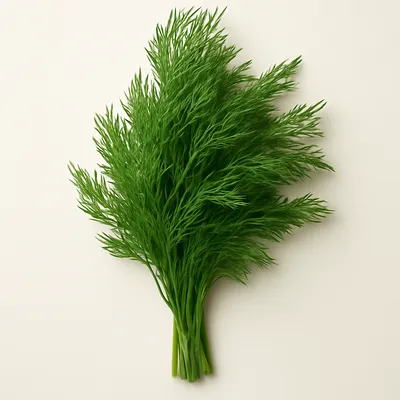
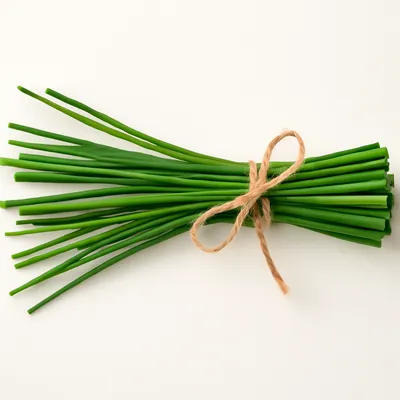
Make the sauce: in a bowl, whisk together 250g sour cream (Schmand or Crème Fraîche) + 1 tbsp Dijon mustard + 1 tbsp white wine vinegar + 1 tsp sugar + 1 tbsp chopped fresh dill + 1 tbsp chopped fresh chives + 1/2 tsp white pepper + 1/2 tsp salt. Mix in the diced apple, beetroot, onion, and gherkins. The sauce should be chunky-creamy and have a vivid pink color from the beetroot.
Watch outThe sauce should turn a vivid pink from the beetroot and stay chunky-creamy — if it looks pale and thin, you're short on beetroot or over-stirred it loose.
- 533 min
Refrigerate the sauce 30 min to chill and let flavors meld.
Watch outGive it a full 30 minutes cold — chilling firms the cream and lets the apple, onion and pickle marry, so it tastes rounded instead of raw and sharp.
- 64 min
Plate: place 2 Matjes fillets on each chilled plate (folded over each other for visual interest). Spoon a generous heap of the chunky sour-cream sauce alongside (NOT over — the diner mixes them at the table). Garnish with a sprig of fresh dill, a wedge of lemon, and a few capers if desired.
- 73 min
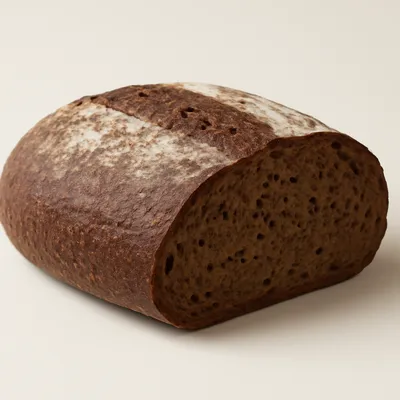
Serve with thick slices of dark rye bread (Vollkornbrot or Pumpernickel) and small boiled new potatoes on the side. The traditional way to eat is to put a small piece of Matjes on a piece of rye bread + a dollop of sauce, then bite. Pair with cold Aquavit, Köm (caraway schnapps), or a cold dark beer.
Archive tool suggestions — not reviewed
These legacy suggestions have not been evidence-reviewed and are not presented as required tools.


