A Hamburg classic of whole pan-fried plaice (a flat North Sea fish) served under a topping of crisped diced bacon, browned onions, and tiny North Sea brown shrimp. The fish is dredged in flour or rye and fried in the rendered bacon fat until the skin is golden and the flesh lifts cleanly from the bone. It is named for Finkenwerder, the old fishing island in the Elbe now part of Hamburg, whose fishermen and their wives are credited with the combination. Served with boiled potatoes and a wedge of lemon.
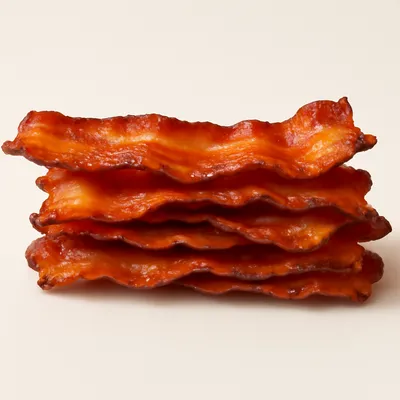

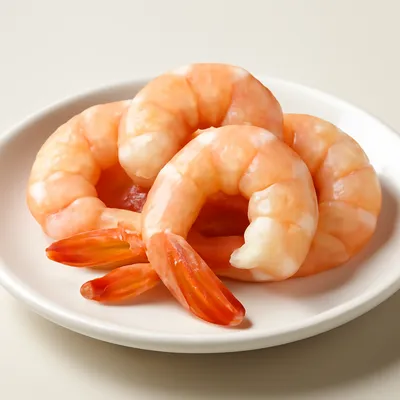



The dish takes its name from Finkenwerder, historically a fishing village on an island in the Elbe (incorporated into Hamburg in 1937), whose fleet worked the North Sea plaice and shrimp grounds. The pairing of pan-fried plaice with bacon, onion, and locally caught Krabben (North Sea brown shrimp) became a documented Hamburg menu staple, traditionally tied to the late-spring plaice season when the fish are at their best, around the feast of Maischolle ('May plaice'). It is the seafood counterpart to Hamburg's port-city table and remains one of the most recognizable dishes in the city's cooking.
The plaice skin fries to a thin gold crust while the flesh stays sweet and just-set, flaking off the central bone in clean fillets. Over it: smoky bacon lardons that have gone crisp, soft sweet onion, and the briny pop of small North Sea shrimp. The shrimp are barely cooked through, almost a garnish, lending a clean sea-sweetness against the salty pork. A squeeze of lemon cuts the bacon fat. Boiled potatoes underneath soak up the pan drippings.
Frying the fish in rendered bacon fat is the key link: the bacon is crisped first, its fat used to fry the floured plaice, so the smoky pork flavor seasons the fish from the pan up. A flour or rye dredge dries the wet fish surface and gives a thin Maillard crust without a heavy batter — plaice is delicate and would steam under thick breading. Brown shrimp are added only at the end, off direct heat; they are already cooked when bought and toughen instantly if fried. The onions are browned slowly in the same fat to draw out sweetness that balances the salt.
Variations
Some kitchens bake the topped plaice in the oven rather than finishing it in the pan; others stuff the cavity with the bacon-shrimp mixture. The fish may be dredged in plain flour or, in older recipes, in rye flour for a darker crust. Outside shrimp season, the dish is served with bacon and onion alone. A close Hamburg cousin, Pannfisch, repurposes leftover fried fish in mustard sauce — a separate dish entirely.
On the Palate
Where Finkenwerder Scholle sits in the German flavor cloud
Ingredients
Serves 2

How it's made
6 steps · 35 min active + 5 min waiting
- 18 min
Rinse and pat the whole plaice dry, season with salt and pepper, and dredge lightly in flour or rye flour.
- 26 min
Render diced bacon in a wide pan until crisp; lift out and reserve, leaving the fat behind.
Watch outRender the bacon first and fry the fish in that fat; the smoky pork flavor seasons the delicate plaice from the pan up, so don't discard the drippings.
- 38 min
Brown the chopped onion slowly in the bacon fat until soft and golden; lift out and reserve.
- 410 min
Fry the floured plaice in the same fat over medium-high heat, a few minutes per side, until the skin is golden and the flesh flakes from the bone.
Watch outFry the floured plaice just a few minutes a side until the skin is golden and the flesh flakes from the bone; it's delicate and overcooks fast.
- 52 min
Warm the North Sea brown shrimp briefly in the pan off direct heat, just to heat through.
Watch outWarm the brown shrimp off direct heat just to heat through; they're already cooked and toughen instantly if you fry them.
- 63 min
Plate the plaice, scatter the bacon, onion, and shrimp over the top, and serve with boiled potatoes and lemon.
Archive tool suggestions — not reviewed
These legacy suggestions have not been evidence-reviewed and are not presented as required tools.