
Swabian-style sirloin steak — thick-cut beef sirloin pan-seared rare-medium, topped with a heap of crispy fried onions (Röstzwiebeln), served with a rich red-wine pan sauce, Spätzle and roasted potatoes.
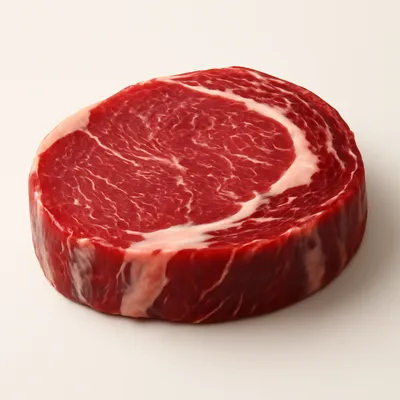



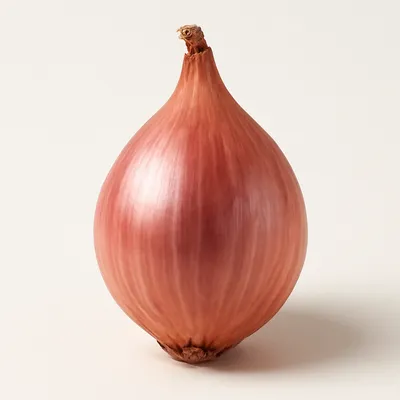
Schwäbischer Rostbraten is a classic meat dish of Baden-Württemberg's Swabian heartland — found in traditional Gasthäuser from Stuttgart to Tübingen to Ulm. It dresses up a simple pan-seared beef sirloin with two Swabian signatures: a towering pile of crispy-fried onion rings on top (Röstzwiebeln, hand-cut and double-fried to glass-crisp) and a rich red-wine and beef-stock pan sauce. The same Röstzwiebel preparation tops Käsespätzle, Maultaschen in butter sauce, and Linsen mit Spätzle und Saiten. The steak itself is simple (salt-pepper-mustard, pan-seared in butter), but the accompaniments make it a regional showpiece. Eaten with Spätzle, gravy, and a glass of Trollinger or Lemberger wine from the Württemberg wine region.
A plate of Schwäbischer Rostbraten is a Swabian declaration: a thick juicy steak underneath, a towering pyramid of golden crispy Röstzwiebeln on top, a glossy dark wine sauce pooling around, and a side of Spätzle and roasted potatoes. The first bite must include all elements — fork a piece of steak, scoop up crispy onions, drag through the wine sauce, eat in one mouthful. The contrast is exquisite: tender beef + crispy onion crunch + tangy-sweet wine reduction. Swabian Trollinger red wine cuts through the richness. The Spätzle on the side soaks up the remaining sauce. This is the centerpiece of every Swabian Sunday lunch and birthday dinner.
Röstzwiebeln's crispness depends on two factors: thin uniform slicing (3mm allows fast moisture loss in oil) and the double-fry technique. The first fry at lower temperature gently dehydrates the onions; the second fry at higher temperature crisps them via rapid Maillard browning. Flour coating is essential — it absorbs onion-released water during frying, preventing soggy onions. The pan sauce uses the fond (browned bits left by the steak) which contains concentrated meat proteins and Maillard compounds; deglazing with red wine dissolves these into the sauce, giving the dish its distinctive flavor depth.
Variations
Stuttgart canonical with Röstzwiebeln + Trollinger sauce; Heilbronn variant uses Lemberger wine; modern Stuttgart bistros add a smear of horseradish-cream beneath the steak; commercial frozen Röstzwiebeln are widely sold (decent for time-saving but freshly fried is better); the dish is sometimes served on a sourdough bread slice instead of with Spätzle ('Beilage'); leftover Röstzwiebeln keep crispy 2 days and are excellent on burgers or salads.
On the Palate
Where Schwäbischer Rostbraten sits in the German flavor cloud
Ingredients
Serves 4


How it's made
6 steps · 45 min active + 15 min waiting
- 14 min
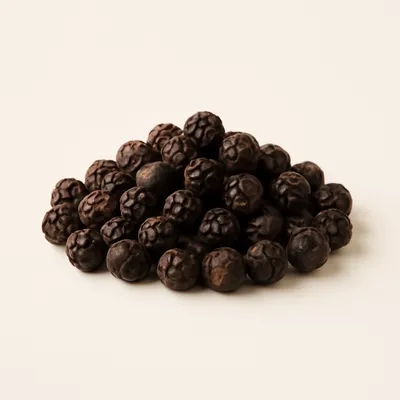
Buy 4 thick-cut beef sirloin steaks (about 200g each, 2cm thick). Pat dry. Season generously with sea salt + freshly ground black pepper on both sides. Brush each side with 1/2 tsp Dijon mustard.
- 25 min
Prepare Röstzwiebeln (crispy fried onions): slice 3 large yellow onions into 3mm-thick rings. Separate into individual rings. Toss with 4 tbsp flour + 1/2 tsp salt + 1/4 tsp paprika.
- 311 min
Heat 5cm vegetable oil in a deep pan to 180°C. Fry onion rings in batches of 8-10, 3 min per batch until deep golden and crispy. Drain on paper towels. (For extra-crispy, fry once at 160°C until lightly colored, drain; then fry again at 180°C until deep golden.) Keep warm.
Watch outPull the onion rings the moment they turn deep gold — they darken a shade more off the heat, and one minute too long tips them bitter.
- 414 min
Sear the steaks: heat 2 tbsp butter + 1 tbsp neutral oil in a heavy skillet over high heat until shimmering. Add 2 steaks (don't crowd); sear 3 min per side for medium-rare (longer for more done). Use tongs to sear the edges briefly. Transfer to a warm plate; tent loosely with foil. Repeat with remaining steaks.
Watch outWait for the butter-oil to shimmer and the steak to hiss hard on contact — a quiet pan means a gray, steamed surface instead of a brown crust.
- 512 min
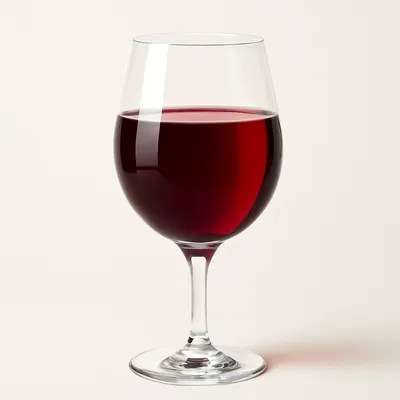
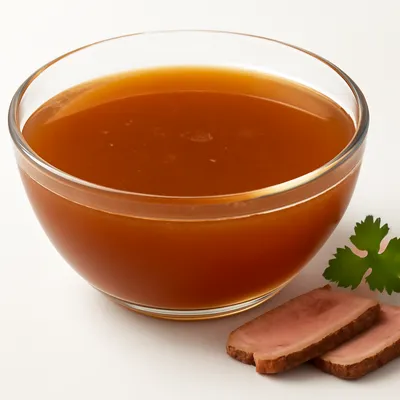
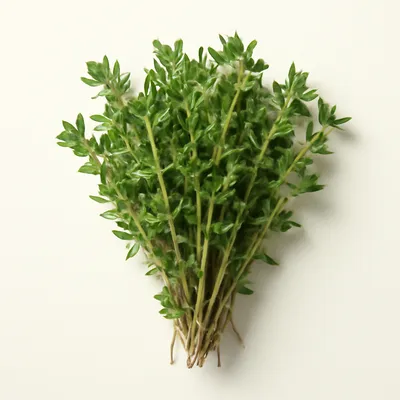
Make pan sauce: in the same skillet (don't clean — the fond is essential), add 1 finely diced shallot + 2 minced garlic cloves; sauté 2 min. Add 200ml dry red wine (Trollinger or any dry red); reduce by half, scraping up the fond, 4 min. Add 200ml beef stock + 1 sprig fresh thyme; reduce 3 min more. Whisk in 1 tbsp cold butter at the end for gloss. Adjust salt.
Watch outScrape while the wine reduces — the sauce is ready when it coats the back of a spoon and the browned bits have all dissolved in.
- 614 min
Serve: place a steak on each warm plate; top generously with crispy Röstzwiebeln (don't be shy — pile them high). Spoon the pan sauce around the steak. Serve with Spätzle (boiled and tossed with butter) and roasted potatoes or boiled new potatoes on the side. Pair with a glass of Württemberg Trollinger or Lemberger red wine.
Archive tool suggestions — not reviewed
These legacy suggestions have not been evidence-reviewed and are not presented as required tools.
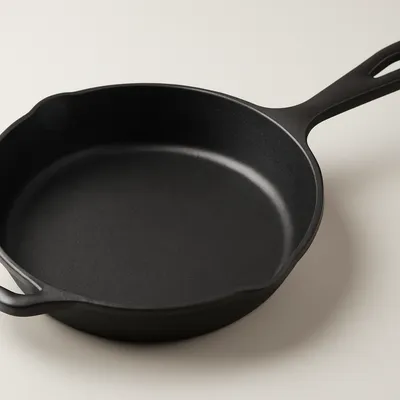
A heavy, single-piece cast iron pan, 25-30 cm across, weighing 1.5-2.5 kg. Once preheated, the thick mass holds 230°C+ even when a cold steak hits the surface — that's the secret to a deep crust. A well-seasoned skillet (multiple thin layers of polymerized oil baked into the iron) is essentially nonstick, gets better with use, and lasts a century. Lodge skillets from Tennessee have been in continuous production since 1896.

Hand-held wire loop tool for beating eggs, whipping cream, emulsifying dressings, and incorporating air into batters. Balloon whisks (large round head) for whipping cream and meringues; French whisks (narrow tear-drop) for sauces in pots; flat whisks (gravy) for pan sauces. Stainless steel is universal; silicone-coated for non-stick pans.


