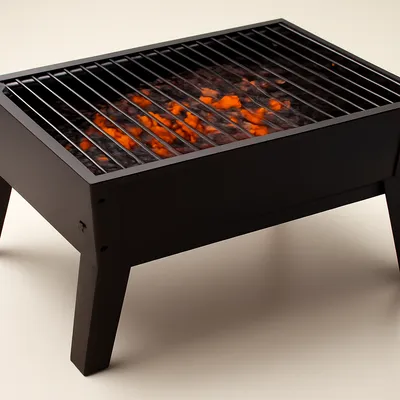
Grilled octopus in the Nikkei manner — tako being the Japanese word for octopus. The tentacles are first poached tender, then charred over high heat and glazed with an anticuchera-style sauce built on aji panca and soy, marrying Peru's smoky-grill tradition to Japanese seasoning. The result is smoky and lacquered outside, tender within, served hot in contrast to the cold pulpo al olivo.





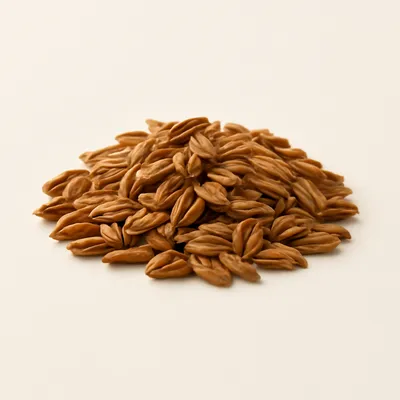
Tako Nikkei sits at the meeting of two Peruvian habits: the country's deep love of charred, skewered, aji-marinated grilling — the world of anticuchos — and the Nikkei kitchen's confident handling of seafood, born of Japanese immigration to Peru from 1899. The glaze borrows the anticuchera marinade, traditionally built on aji panca, garlic, cumin and vinegar, and turns it toward soy and ginger; the name's use of tako signals the Japanese frame. It is a modern grill-style plate of the Nikkei repertoire rather than a single historic recipe, and is usually offered as a hot counterpoint to the cold octopus dishes of the same table.
Charred, smoky edges giving way to tender octopus, glazed in a sauce that is deep red-brown, savory and faintly sweet, with the fruity warmth of aji panca and the salt of soy. The contrast of crisp grilled surface against soft flesh is the draw, and a squeeze of lime cuts the richness. Unlike the cool olive version, this one is meant to be eaten hot off the grill.
Octopus must first be poached slowly — 45 minutes to an hour — to break down its collagen and turn tender; only then does it grill well, since the fire is there for char and flavor, not to cook it through. Over high heat the surface dries and browns through the Maillard reaction, building smoky, savory crust, while the sugars in the soy-and-aji glaze caramelize and lacquer the tentacle. The anticuchera base — aji panca, garlic, cumin, vinegar — is layered with soy and ginger so it reads at once Peruvian and Japanese; brushing it on near the end keeps the sugars from scorching before the octopus is marked.
Variations
Some cooks skewer the octopus anticucho-style before grilling; a spicier glaze leans on rocoto in place of, or alongside, the aji panca; a version brushed with a sweeter soy-mirin glaze edges closer to Japanese teriyaki; and the same treatment is sometimes given to squid.
On the Palate
Where Tako Nikkei sits in the Peruvian flavor cloud
Ingredients
Serves 4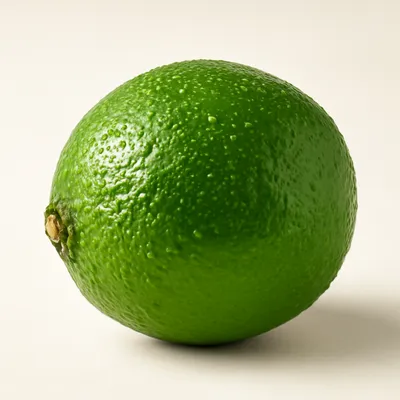
How it's made
7 steps · 35 min active + 45 min waiting
- 155 min
Poach the octopus slowly in simmering water for 45 minutes to an hour, until knife-tender.
Watch outPoach the octopus slowly 45 minutes to an hour until knife-tender first — the grill is only for char, not to cook it through; unpoached it grills up rubbery.
- 28 min
Lift out, cool, and separate the tentacles; pat them dry.
- 35 min
Make the glaze by blending aji panca paste, soy sauce, garlic, cumin, ginger and a little vinegar.
- 410 min
Toss the tentacles in half the glaze and let them marinate briefly.
- 58 min
Grill over high heat, turning, until charred and crisp at the edges.
- 63 min
Brush with the remaining glaze in the last minute so it caramelizes without burning.
Watch outBrush the soy-and-aji glaze on only in the last minute — its sugars scorch fast, so late glazing lacquers the tentacle without burning.
- 72 min
Plate hot, spoon over any reserved glaze, and serve with lime.
Archive tool suggestions — not reviewed
These legacy suggestions have not been evidence-reviewed and are not presented as required tools.