
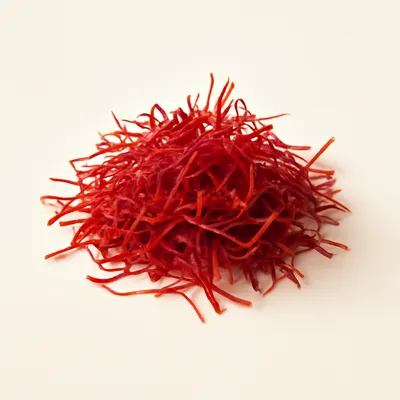
Trapani's fish couscous is the clearest Arab dish on the Sicilian table: hand-rolled grains of durum semolina, steamed soft, then drenched in a deep seafood broth. The semolina is wetted and worked by hand into tiny pellets, steamed slowly over the simmering stock in a two-part terracotta pot, and finished by soaking in a rich, saffron-and-tomato fish broth known as ghiotta. Where North Africa dresses couscous with meat and vegetables, the ports of Trapani and San Vito Lo Capo turned to the sea. It is the everyday couscous of the western coast and the centerpiece of San Vito's couscous festival.





Couscous is a dish of Berber origin from the Maghreb, carried into Sicily during the long Arab period—the Aghlabid conquest began in 827, and the island stayed under Muslim rule for roughly two centuries. Where the North African dish was built on meat and vegetables, the cooks of the Trapani coast, a fishing economy looking out toward Tunisia, reworked it around the day's catch. The semolina is shaped by hand using the incocciatura technique, rolled in a wide, textured terracotta bowl called a mafaradda, and steamed in a perforated earthenware pot, the cuscusiera (in Trapanese dialect the pignatta di cùscusu), set over a pot of simmering broth—the join sealed with a paste of flour and water, the cuddura, so the steam can only rise up through the grain. The tradition is celebrated each September at the Cous Cous Fest of San Vito Lo Capo, first held in 1998 to bring Mediterranean peoples together over a shared dish.
The grains come tender but distinct, each tiny pellet swollen with broth yet still holding its own—never the gummy mass of badly cooked couscous. They carry the whole flavor of the sea: sweet shellfish, the saffron and tomato of the ghiotta, a warm undertone of bay and onion. Spooned over with more hot broth at the table, the dish turns half-soup, the semolina drinking it in. Pieces of fish and shellfish sit on top, and where almonds or a pinch of cinnamon are added, a faint nutty sweetness threads through the savory.
Couscous is steamed, never boiled. Rolling the semolina by hand—incocciatura—coats dry grains with just enough water to swell and clump into pellets while keeping a floury, separate surface; dropped into boiling water they would dissolve, but steam hydrates them gently and they stay distinct. In the two-part cuscusiera the broth simmers below while its vapor passes up through the perforated upper chamber; sealing the join with the flour-water cuddura forces all the steam through the grain rather than escaping the sides, so the couscous cooks evenly over two hours or more, stirred every so often to break clumps. Meanwhile the ghiotta is built slowly—onion and garlic softened, tomato and saffron added, then a range of bony Mediterranean fish (scorpionfish, gurnard, grouper) simmered down to a deep, gelatin-rich broth. The cooked couscous is finally left to rest soaked in that broth, off the heat and covered, so the grain absorbs the liquid and the flavors marry before serving.
Variations
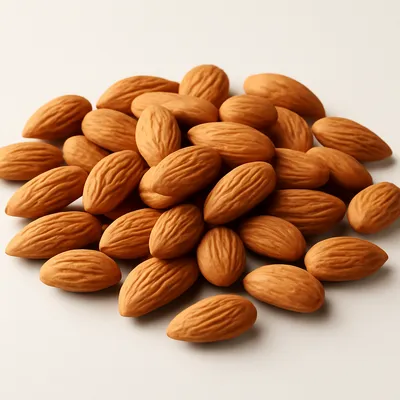
Coastal households vary the catch freely: whatever bony, flavorful fish the day brings, often rounded out at the table with shellfish—prawns, mussels, clams—simmered separately. Many cooks fold toasted almonds into the grain, and a pinch of cinnamon, bay, and parsley are common warming notes that nod to the dish's North African roots. The broth ranges from a clear, brothy soup to a thicker, tomato-heavy sauce; some pass extra hot stock at the table to soak the couscous further. Inland and in other parts of Sicily, sweet and vegetable couscous also exist, but on the Trapani coast the fish version is definitive.
On the Palate
Where Cùscusu di Trapani sits in the Italian flavor cloud
Ingredients
Serves 6


How it's made
8 steps · 1 hour 30 min active + 2 hours 30 min waiting
- 130 min
Roll the couscous: in a wide bowl (mafaradda), put 500g durum-wheat semolina, sprinkle with salted water and a little olive oil, and work it in circular motions by hand until it clumps into small, even pellets; let dry slightly.
Watch outRoll the semolina by hand until it clumps into small, even pellets with a still-floury surface — dropped in boiling water these would dissolve, so the loose floury coat is what lets steam hydrate them and keep them distinct.
- 210 min
Build the broth: in a large pot soften 1 sliced onion and 2 garlic cloves in olive oil, add 400g peeled tomatoes, a pinch of saffron, bay leaves, and parsley.
- 350 min
Add about 1.5kg cleaned mixed bony fish (scorpionfish, gurnard, grouper) and 2 litres of water, season, and simmer gently for 40-50 minutes; lift out the fish and keep the broth hot.
- 410 min
Set up the steamer: fill the lower pot of a cuscusiera three-quarters with water (or part of the broth) and a drizzle of oil; tip the couscous into the perforated upper chamber.
- 55 min
Seal the join between the two pots with a paste of flour and water (cuddura) so steam rises only through the grain, and bring to a steady simmer.
Watch outSeal the join between the two pots with the flour-water paste — this forces all the steam up through the grain instead of escaping the sides, so the couscous cooks evenly.
- 6150 min
Once steam breaks through the couscous, lower the heat and steam for about 2 to 2.5 hours, stirring every 10-15 minutes to break up any clumps.
Watch outOnce steam breaks through, lower the heat and steam two-plus hours, stirring every 10-15 minutes — the periodic stir breaks up clumps so every grain steams tender.
- 760 min
Tip the steamed couscous into a large bowl, ladle over enough hot fish broth to moisten it well, cover, and let it rest and absorb for about an hour.
- 85 min
Serve the couscous topped with pieces of the fish, with extra hot broth passed alongside; finish with toasted almonds, parsley, and a pinch of cinnamon if liked.
Archive tool suggestions — not reviewed
These legacy suggestions have not been evidence-reviewed and are not presented as required tools.


