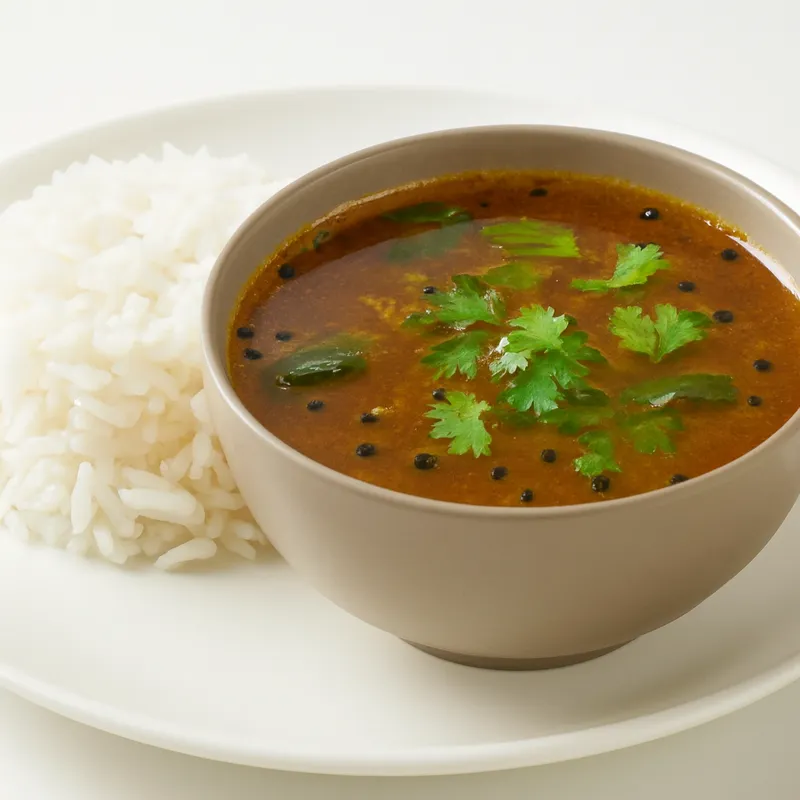
Spiced gram flour batter steamed into firm flat discs, cut into wedges, then simmered in a tangy curd-tomato gravy. A Rajasthani kitchen staple that transforms pantry stores into a satisfying main—distinct from gatte in its steamed shape and firm, absorbent texture.




Pittod belongs to Rajasthan's gram flour-dependent cuisine, which evolved from the region's scarcity of fresh vegetables. In the arid Marwar and Shekhawati regions, besan served as a year-round protein source, appearing in multiple forms—gatte, mangodi, and pittod among them. The word pittod derives from local Marwari, referring to the flat, pressed disc shape. Unlike gatte, which are boiled and carry a soft, chewy interior, pittod discs are steamed, producing a firmer, sliceable texture that holds its form in gravy. The dish is a fixture in Rajasthani home cooking, particularly in landlocked areas far from fresh produce markets, where an entire sabzi could be built entirely from pantry stores.
Firm, slightly dense besan pieces that soak up the tart curd-tomato gravy, yielding a savory, lightly sour mouthful with warm spice undertones; the exterior softens just enough while the center holds its structure.
Steaming the besan batter at 100 °C gelatinizes gram flour starch and denatures chickpea proteins, setting the batter into a firm slab without the surface hardening caused by dry heat. The gelatinized starch matrix creates a sponge-like micro-structure that efficiently draws in gravy during simmering. In the curd-tomato base, lactic acid from yogurt (pH ~4) and citric acid from tomatoes combine to soften the outer surface of the pittod pieces, while the acidic environment stabilizes curd proteins against curdling—provided yogurt is whisked smooth and added off high heat. Spice fat from the initial tempering disperses in tiny emulsified droplets throughout the gravy's water phase, carrying fat-soluble capsaicin and curcumin evenly into the sauce.
Variations
Some versions shallow-fry the steamed pittod pieces before adding to the gravy, creating a crisper exterior that contrasts with the soft sauce. In certain households, fenugreek seeds are added to the tadka; others enrich the gravy with a spoonful of cashew paste for added creaminess.
On the Palate
Where Pittod Ki Sabzi sits in the Indian flavor cloud
Ingredients
Serves 4


How it's made
8 steps · 15 min
- 15 min
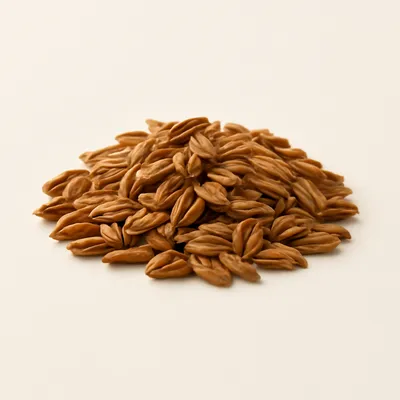
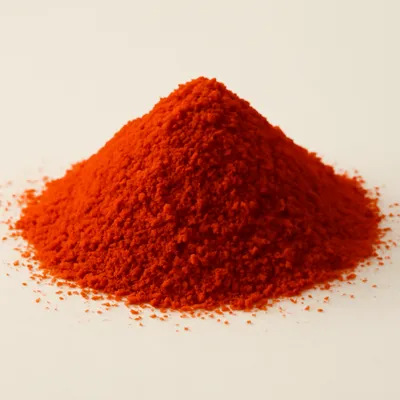
Mix besan with red chili powder, turmeric, carom seeds, salt, and enough water to form a smooth, thick, pourable batter.
- 218 min
Grease a flat thali or shallow plate, pour the batter to a 1 cm depth, and steam for 15–18 minutes until firm and a skewer inserted in the center comes out clean.
Watch outSteam the besan batter 15–18 minutes till a skewer comes out clean — steam sets it firm without a hard crust; underset and the pittod fall apart in the gravy.
- 310 min
Cool the steamed disc for 10 minutes, then cut into 3–4 cm wedges or rectangles.
- 45 min
Heat oil in a kadhai, add cumin seeds and let them splutter, then add asafoetida and finely chopped onions. Cook until deeply golden.
- 55 min
Add ginger-garlic paste and cook for 1 minute. Add chopped tomatoes, red chili powder, coriander powder, and turmeric; cook until the masala releases oil.
Watch outCook the masala till it releases oil at the edges — that split look is the cue the base is done; whisk the yogurt smooth and stir it in off high heat or it curdles.
- 65 min
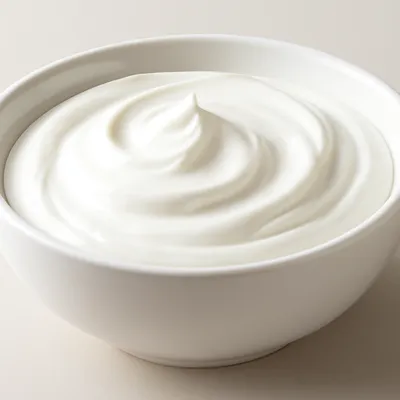
Whisk yogurt until smooth. Reduce heat to low and stir the yogurt gradually into the masala base. Simmer gently for 3 minutes, stirring, until the gravy is smooth.
- 77 min
Add the pittod pieces, season with salt, and simmer on low heat for 5–7 minutes until they absorb the gravy and are heated through.
Watch outSimmer the pittod gently 5–7 minutes just to drink up the gravy and heat through — the sponge-like slabs soak it in; a hard boil breaks them up.
- 83 min
Finish with garam masala and fresh coriander. Serve with roti or steamed rice.
Archive tool suggestions — not reviewed
These legacy suggestions have not been evidence-reviewed and are not presented as required tools.