Sun-dried moong dal fritters—small, dense nuggets shaped from spiced lentil paste and dried in Rajasthan's scorching sun—rehydrated and simmered in a tart yogurt-tomato gravy. A centuries-old desert preservation food transformed into a richly spiced sabzi.




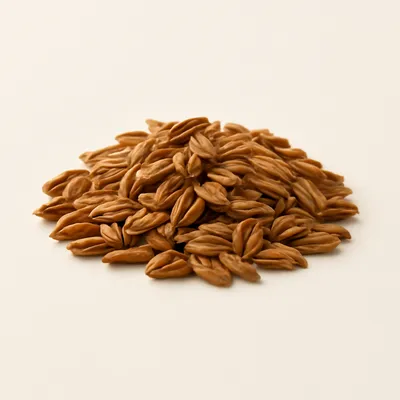

Mangodi—also known as mangori—belongs to the wadi tradition of sun-dried lentil preparations widespread across Rajasthan, Uttar Pradesh, and Punjab. In Rajasthan, where summer temperatures exceed 45 °C and humidity drops to near zero, solar drying draws out nearly all moisture from a moong paste in two to three days, producing a shelf-stable protein food that historically kept through entire monsoon and winter seasons without refrigeration. The domestic production was seasonal: Rajasthani households made large batches in the intense pre-monsoon heat of May and June, storing them for use when fresh produce was scarce. The Marwari merchant class—famed for long-distance trade routes—carried mangodis as compact, shelf-stable protein. Mangodi ki sabzi appears consistently in records of the Rajasthani thali and in accounts of the region's resourceful desert pantry.
Deeply savory and earthy, with the rehydrated mangodis soaking up the tart yogurt gravy while retaining slight chewiness at the center; the curd's acidity brightens the dal's natural earthiness, and the spice-forward tadka delivers warmth and layered depth.
Solar drying reduces moisture to below 5%, halting enzymatic activity and microbial growth while concentrating proteins and starches in the moong paste. During simmering, the porous dried structure rapidly rehydrates: water penetrates the starch matrix, swelling the gelatinized granules and restoring pliability, while surviving cell walls act as capillaries drawing in the spiced gravy. In the yogurt-tomato base, lactic acid from curd and citric acid from tomatoes lower the pH to about 4.5, softening the outer layers of the mangodis while the acidic environment stabilizes curd proteins against curdling—provided yogurt is whisked and added off high heat. Pre-frying the dry mangodis at 170–180 °C briefly crisps the outer starch layer through Maillard browning, creating a resilient skin that slows over-absorption during the gravy simmer and preserves a pleasant chew.
Variations
A simpler weekday version skips frying and adds mangodis directly to the simmering gravy, yielding a softer, more porous texture. Some cooks stir in raw mango powder for extra tartness. Winter versions add cubed potatoes or turnip alongside the mangodis to bulk out the sabzi.
On the Palate
Where Mangodi Ki Sabzi sits in the Indian flavor cloud
Ingredients
Serves 4


How it's made
8 steps · 10 min
- 12 min
Dry-roast the mangodis in a dry pan over medium heat for 2 minutes, stirring, until fragrant and lightly toasted.
- 25 min
Heat oil to 170–180 °C in a kadhai. Fry the mangodis in batches for 2–3 minutes until light golden. Drain and set aside.
Watch outFry the mangodi just to light gold — they darken fast, and over-fried they turn bitter and stay hard even after simmering.
- 35 min
In the same kadhai with residual oil, add cumin seeds and let them crackle. Add finely chopped onion and cook until deeply golden.
- 44 min
Add ginger-garlic paste and cook for 1 minute. Add chopped tomatoes and cook until soft and oil separates.
- 53 min
Add turmeric, red chili powder, coriander powder, and salt; stir and cook the masala for 2 minutes until aromatic.
- 64 min
Whisk yogurt smooth. Reduce flame to low and stir it gradually into the masala, simmering gently for 3 minutes until the gravy is homogenous.
Watch outWhisk the yogurt smooth and stir it in on low, simmering gently — add it to a hot fierce pan and it splits into grainy curds.
- 710 min
Add 1 cup water, bring to a gentle simmer, then add the fried mangodis. Cook on low heat for 8–10 minutes, turning occasionally, until swelled and the gravy is absorbed.
Watch outSimmer until the mangodi swell up and drink in the gravy — that plumping is the sign they're tender and seasoned through.
- 83 min
Finish with garam masala, dried fenugreek leaves, and fresh coriander. Serve with bajra roti or steamed rice.


