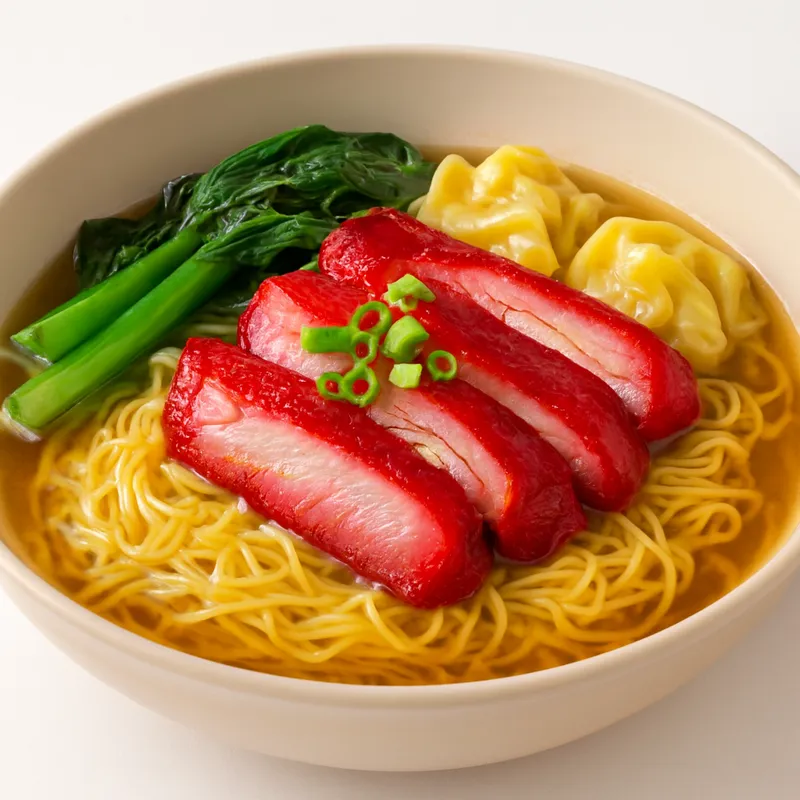
Thai-Chinese egg-noodle soup with red-glazed roast pork (moo daeng), pork wontons, blanched yu choy, and scallion in a clear pork-bone broth.
Bamee moo daeng comes from the Teochew-Hakka migration into Bangkok in the late 19th and early 20th centuries, when Chinese noodle shophouses (rongam) clustered around Yaowarat (Chinatown) and spread along the canals. Moo daeng is the Thai-Chinese version of Cantonese char siu, with the red colouring kept and the marinade adapted to local palm sugar and red bean curd. The pairing of red roast pork with bamee in clear broth is now the default Bangkok lunchtime noodle soup.
Bangkok Yaowarat (Chinatown) shophouse standard from late-19th-century Teochew-Hakka migration. Moo daeng is the Thai-Chinese version of Cantonese char siu, with palm sugar and red bean curd in the marinade. Lard-soy at the bottom of the bowl is the load-bearing detail.
Two textures of pork in one bowl — the moo daeng is sweet-glossy and slightly chewy at the edge from caramelisation, the wonton-filling is loose and gingered. The noodles slip through clear pork broth that tastes mainly of bone and white pepper, never muddied with dark soy. The lard-soy at the bottom is the Bangkok shophouse signature: stir up from the floor of the bowl on the second bite and the broth deepens. Add chile-vinegar yourself — never from the kitchen.
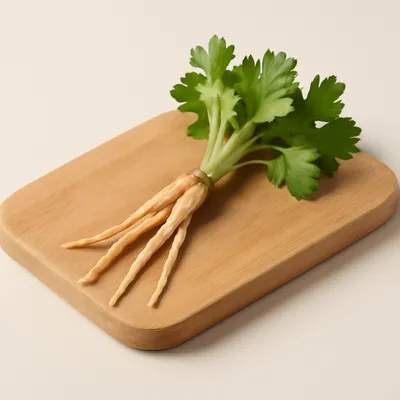
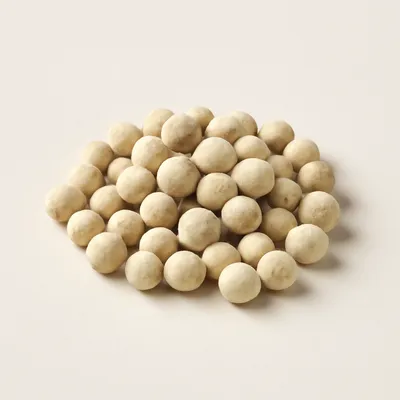
The lard-soy bottom is load-bearing: noodles tossed in fat first repel water and stay springy in the broth instead of bloating. Skipping the lard or pre-mixing it into the broth is the giveaway of an inexperienced cook. The broth is built with white peppercorn (not black) and coriander root — the same Central-Thai aromatic base used in tom yum without lemongrass — which keeps it pale and clean.
Variations
Yaowarat shophouses (Bamee Mae Mui, Rung Reuang) are the canonical; northern Thai khao soi shops sometimes serve moo daeng on the side; Singapore-Hong Kong char siu wantan mee is the closest regional cousin; the haeng (dry, no broth) version drops the broth entirely.
On the Palate
Where Bamee Moo Daeng sits in the Thai flavor cloud
Ingredients
Serves 4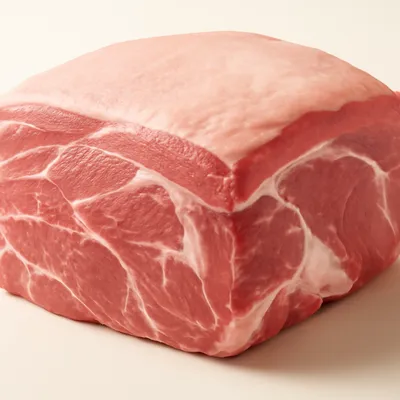









How it's made
6 steps · 35 min active + 15 min waiting
- 110 min
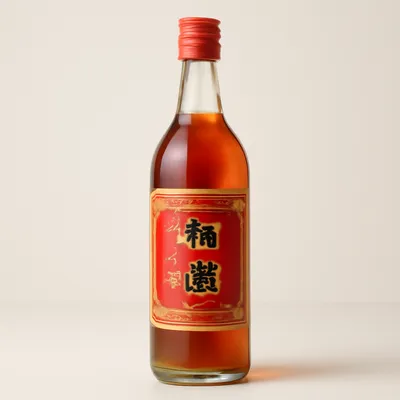
Marinate 500g pork shoulder strips in 3 tbsp red fermented bean curd (yang yi), 2 tbsp light soy, 2 tbsp oyster sauce, 2 tbsp honey, 1 tbsp Shaoxing wine, 1 tsp five-spice, 1 tbsp red food colour or beet juice for the moo daeng red. Rest 4 hours minimum.
- 225 min
Roast pork at 200°C for 25 minutes, basting with marinade twice. Last 3 minutes brush with honey-water glaze. Rest 10 minutes, slice thin against the grain.
Watch outRoast until the edges caramelise and the last honey-water glaze turns tacky, then rest before slicing thin against the grain — that final glaze gives the moo daeng its sticky-red skin.
- 390 min
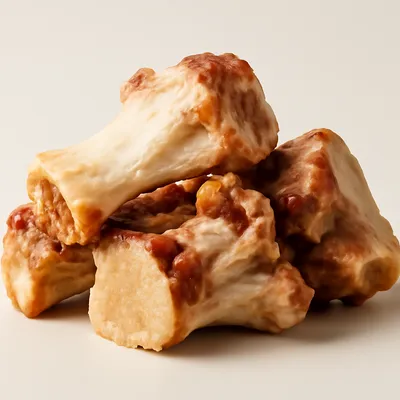
Make pork-bone broth: simmer 1kg pork bones with 1 daikon, 4 garlic cloves, 2 coriander roots, 1 tbsp white peppercorn for 90 minutes. Skim. Season with 2 tbsp light soy and salt only — broth must stay clear.
Watch outSkim the broth and keep it barely simmering — season with only light soy and salt; a rolling boil clouds it, and this soup has to stay clear.
- 410 min
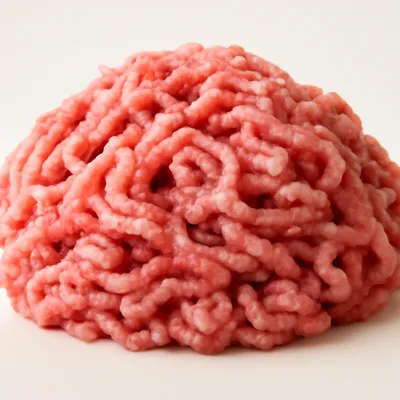
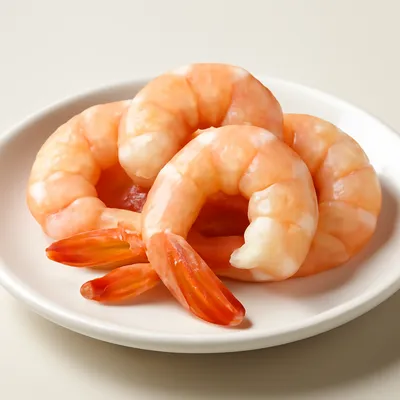
Wrap 16 wontons: 1 tsp seasoned pork-shrimp filling per yellow wonton skin, dab water on edge, pinch into a loose nurse's-cap.
- 53 min
For each bowl: blanch 1 nest fresh egg noodles (bamee) in boiling water 30 seconds, lift, shake out, drop into a bowl smeared with 1 tsp pork lard and 1 tsp light soy. Toss to coat — this is the lard-soy bottom (the Thai-Chinese signature).
Watch outToss the drained noodles in the lard and soy first, before they touch any broth — coated in fat they shed water and stay springy instead of bloating.
- 63 min
Boil 4 wontons and a few stems yu choy 90 seconds. Lay over noodles. Top with sliced moo daeng, ladle hot broth, scatter scallion, fried garlic, white pepper. Serve with chile-vinegar and sugar at the table.
Archive tool suggestions — not reviewed
These legacy suggestions have not been evidence-reviewed and are not presented as required tools.