Slow-braised five-spice pork hock over jasmine rice with pickled mustard greens, hard-boiled egg, and a chile-garlic-vinegar dipping sauce.
Khao kha moo is a Bangkok-Chinatown stall food, brought by Hokkien and Teochew migrants who adapted the Chinese braised-pork-knuckle tradition to Thai jasmine rice and Thai pickled mustard greens. The sidewalk version is identifiable by the giant lacquered hock displayed at the front of the cart, sliced to order; Trang and Hat Yai (south) and the Bangkok stall network have their own micro-regional differences in spice ratios but the structural dish is constant.
Bangkok Chinatown stall food, brought by Hokkien and Teochew migrants who folded Chinese braised pork knuckle into Thai jasmine rice. Burning the palm sugar before the dark soy is the move.
Skin first — gelatinous, faintly cinnamon-smoky from the five-spice, almost no bite, just collapse. The meat underneath comes apart in cinnamon-soy strands and falls into the rice. The pickled greens cut the fat with a sour-salty crunch and the egg yolk is half-set, half-soaked. Then the dip — raw garlic, raw chile, vinegar, no sugar to soften it — and the whole bowl resets. Done badly, the skin is rubbery and the broth tastes only of dark soy.
The caramelisation of palm sugar at the start gives both colour and a roasted-sugar bitterness that dark soy alone can't produce — burning sugar before the soy enters is the move. The hock cannot be rushed: under 2 hours and the skin still has bite; over 3 hours and the meat falls off the bone before plating. The chile-vinegar dip is structural — it provides the acid the braise lacks, and skipping it leaves the dish flat.
Variations
Trang and Hat Yai (south) push more cinnamon and white pepper; Bangkok Yaowarat stalls run sweeter and darker; Charoen Saeng Silom (since 1959) is the canonical lacquered hock.
On the Palate
Where Khao Kha Moo sits in the Thai flavor cloud
Ingredients
Serves 6





How it's made
6 steps · 30 min active + 2 hours 30 min waiting
- 112 min
Blanch 1 whole pork hock (1.5kg, skin on, scored) in boiling water 10 minutes. Drain, rinse, scrape impurities off the skin.
- 25 min
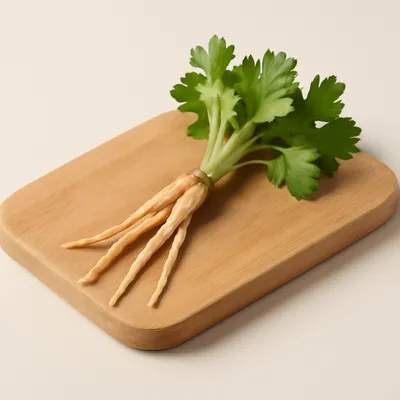
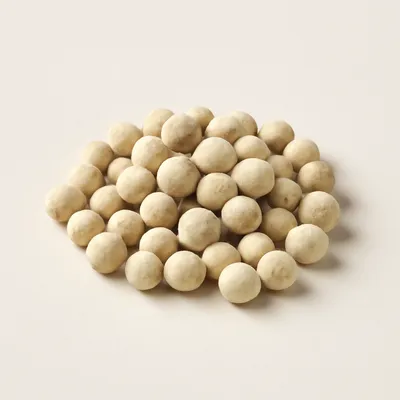
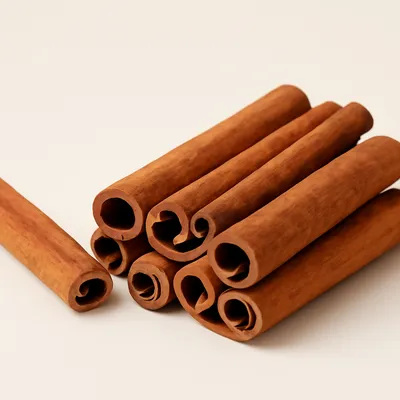
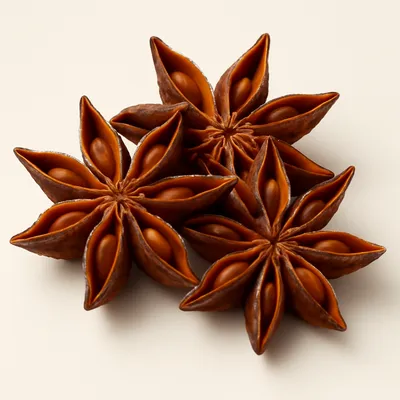
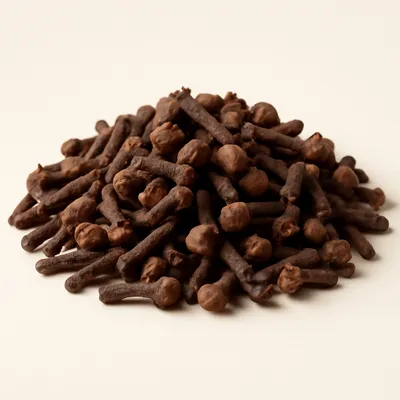
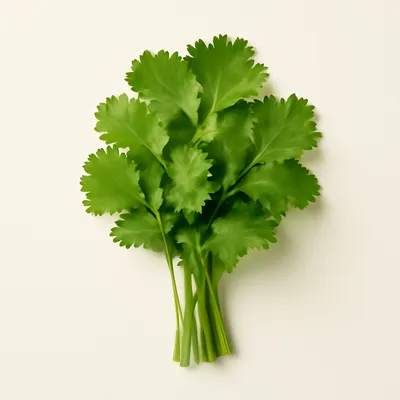
In a heavy pot, melt 3 tbsp palm sugar over medium until a deep amber. Add 4 cloves smashed garlic, 4 coriander roots, 1 tbsp white peppercorn, 1 cinnamon stick, 3 star anise, 4 whole cloves; toast 1 minute.
Watch outMelt the palm sugar to a deep amber before the soy goes in — that near-burnt caramel is where the color and roasted bitterness come from; stop pale and the braise tastes flat.
- 3150 min
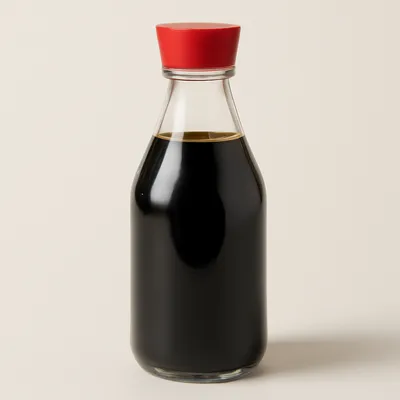
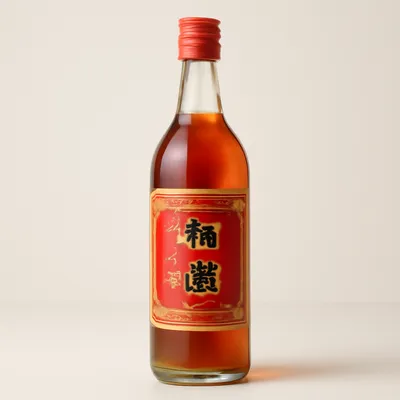
Add hock, then 2.5L water, 100ml dark soy, 100ml light soy, 4 tbsp oyster sauce, 2 tbsp Shaoxing, 2 tbsp palm sugar. Liquid should just cover. Simmer covered 2.5 hours, turning hock every 30 minutes — skin softens to a wobble, meat shreds with a spoon.
Watch outHold a bare simmer 2.5 hours and turn the hock every half hour — pull it when the skin wobbles and a spoon shreds the meat; rush it and the skin's still tough, overdo it and it falls apart.
- 430 min
30 minutes before serving, add 6 hard-boiled peeled eggs and a head of pickled mustard greens (rinsed) to the braise. They drink the sauce and turn deep tan.
- 54 min
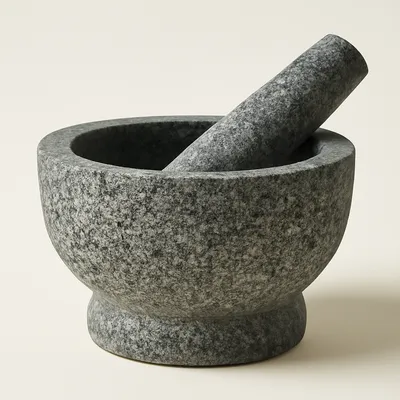
Pound chile-vinegar dip: 6 fresh green chiles, 4 garlic cloves into a coarse paste in a stone mortar; loosen with 4 tbsp white vinegar, 1 tsp sugar, 1 tsp salt. Sharp and crunchy.
Watch outKeep the chile-vinegar dip sharp and crunchy — it carries the acid the braise lacks, so don't over-pound it to mush.
- 64 min
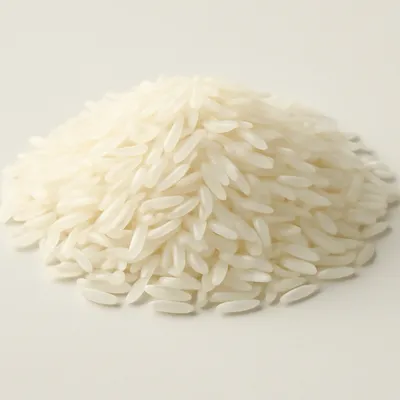
Plate: jasmine rice, chunk of hock with skin and meat, spoonful of braised greens, halved egg, a few sprigs coriander. Ladle a little braising liquid over rice. Dip on the side.
Archive tool suggestions — not reviewed
These legacy suggestions have not been evidence-reviewed and are not presented as required tools.