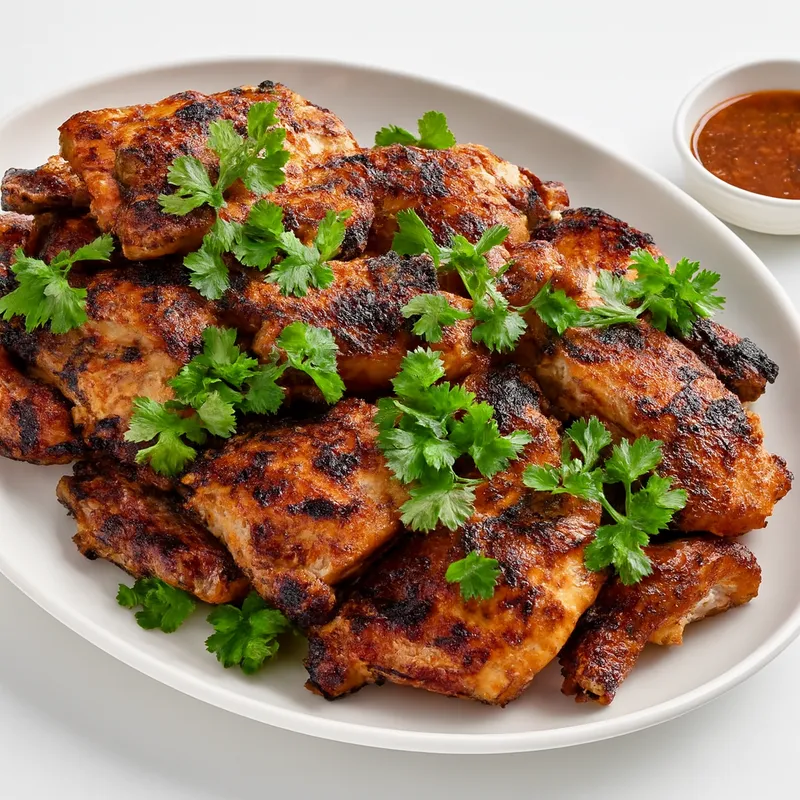
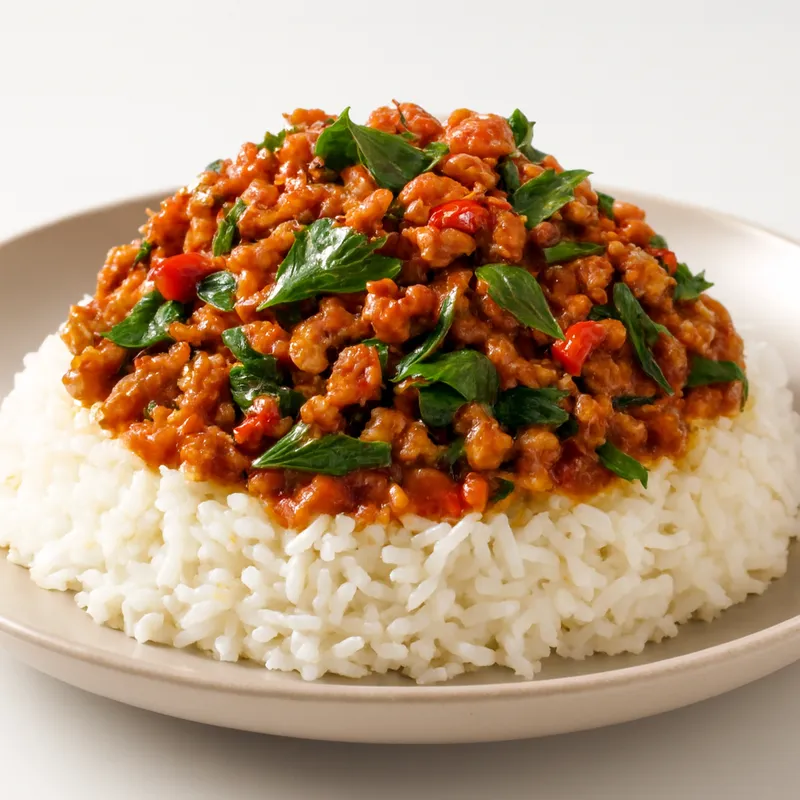
Coconut-free jungle curry — a punishingly spicy red-paste broth with wild boar, game or river fish, fingerroot, fresh green peppercorn, pea eggplant and rakam fruit.
Kaeng pa — pa means forest — comes from upland Central Thai villages and the Tak/Petchabun regions where coconut palms didn't grow and meat was whatever was hunted that day: wild boar, mouse deer, freshwater catfish, frog. The flavour profile is what defines the Thai countryside curry — sharp, lean, dependent on jungle aromatics like fingerroot (krachai), the curry's signature aromatic — used elsewhere in Southeast Asia (Cambodian k'cheay, Indonesian/Malay temu kunci) but nowhere as central as in this Thai dish and fresh green peppercorn from local pepper vines.
Forest curry from Tak and Phetchabun upland villages — no coconut grew there, so the paste is fried in plain oil and harder than usual. Krachai (fingerroot) is non-substitutable; ginger and galangal change the dish entirely. Whole green peppercorns burst like pop rocks in the bowl.
Brick-red broth, almost no oil floating, far thinner than any coconut curry. The first taste is straight chile heat — no sweetness to soften it — followed by the woodsy musk of fingerroot (krachai) which is the curry's signature note; little else in Thai cooking smells like it. Whole green peppercorns burst like pop rocks in the mouth. This is a hunter's curry: aggressive, lean, made to wake you up after a day in the field. If your kaeng pa is even slightly creamy, you're cooking the wrong dish.
No coconut means the curry paste must be fried in plain oil — and you fry it harder than usual, because there's no coconut fat to carry the aromatics later. The broth is built on plain water, not coconut milk or a heavy stock — kaeng pa is meant to be clear and soupy, its body coming from chiles, fingerroot and a heavy load of fresh aromatics rather than fat or starch. Fingerroot is non-substitutable; ginger and galangal change the dish entirely. Add fresh basil at the end, never simmer it.
Variations
Tak villages still use wild boar and freshwater catfish; Phetchabun cooks add frog and field-rat in season; Bangkok restaurant Saneh Jaan plates a refined chicken-and-krachai version; Khao Yai national-park lodges run venison kaeng pa during the cool months.
On the Palate
Where Kaeng Pa sits in the Thai flavor cloud
Ingredients
Serves 4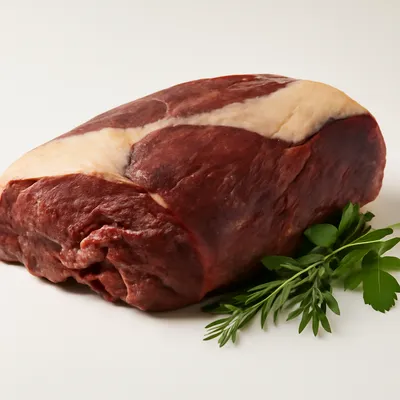


How it's made
6 steps · 30 min active + 5 min waiting
- 18 min
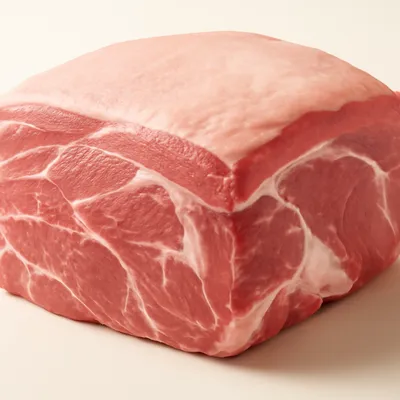
Cut 500g wild boar shoulder, pork shoulder or firm river fish into 3cm pieces. If using boar/pork, blanch 2 minutes in salted water to remove scum, then drain.
- 23 min
Heat 2 tbsp neutral oil in a wok over medium-high. Fry 4 tbsp red curry paste hard for 3 minutes — no coconut cream to crack here, the paste fries directly in oil and gets darker than usual.
Watch outFry the curry paste hard for a full 3 minutes until it darkens — with no coconut fat to carry the aromatics, this deep fry is where the flavor comes from.
- 325 min
Add the meat and toss to coat in paste. Pour in 1L pork or chicken stock — kaeng pa is broth-based, not coconut-based. Simmer 25 min for boar/pork, 5 min for fish.
- 45 min
Stir in 2 tbsp shredded krachai (fingerroot, distinct from ginger and galangal — long thin yellow rhizomes), 2 tbsp fresh green peppercorn on the stem, 4 kaffir lime leaves torn, 2 tbsp nam pla (fish sauce). No sugar.
Watch outBuild it on stock, kept clear and soupy — kaeng pa gets its body from chiles and aromatics, not from coconut milk or thickening.
- 54 min
Add 100g pea eggplant, 100g Thai apple eggplant quartered, 50g sliced young krachai. Cook 4 minutes — pea eggplants pop slightly between teeth, that's right.
- 61 min
Off heat. Stir in a fistful of horapha (Thai sweet basil) and 4 fresh bird's-eye chiles bruised. Pour into a wide bowl. Serve with mountains of jasmine rice — this is hot enough to need it.
Watch outFold the basil and bird's-eye chiles in off the heat — simmer basil and it blackens and loses its lift.