Thailand's beloved plate of red roast pork on rice — the Thai reading of Cantonese char siu. Slices of crimson-edged barbecued pork are fanned over jasmine rice and lacquered with a glossy, faintly sweet red gravy thickened just enough to cling. A halved hard- or soft-boiled egg, a few slices of cucumber, and a small dish of sharp chili-garlic vinegar complete it. Often the plate is loaded further with crisp pork belly (moo grob), Chinese sausage, and roast-pork offcuts, in which case it becomes khao moo daeng moo grob. It is a fixture of Bangkok's Chinese-Thai noodle shops, eaten any hour of the day.




This is an honest Chinese-Thai dish. Char siu — fork-roasted pork glazed with sugar — originated in Guangdong and traveled with Cantonese and Teochew migrants who built Bangkok's commercial Chinatown around Yaowarat from the nineteenth century. Thai cooks kept the method but adjusted the flavor for local taste: cilantro root went into the marinade and the Chinese rice wine was dialed down or dropped, leaving a pork a touch sweeter and more herbal than its Guangdong parent. The signature red, once supplied by red fermented bean curd and red yeast rice — a colorant Chinese kitchens have used for centuries — is today usually a few drops of food coloring. The sweet gravy poured over the rice is the Thai shop's own addition, a finishing touch you do not find on a Hong Kong plate.
The pork is the draw: a caramelized, slightly chewy crust giving way to tender meat, sweet and savory at once with a faint five-spice warmth. The red gravy is thin and glossy, lightly sweet, just coating the rice rather than drowning it. The boiled egg is mild and rich, the cucumber cool and watery. The little cup of chili-vinegar on the side is the wake-up — sour and hot, cutting straight through the sweetness so the plate never cloys.
The crust is Maillard chemistry: a sugar-and-soy marinade roasted at high heat browns into hundreds of new aroma compounds while the surface sugars caramelize to that lacquered, slightly charred edge. Marinating for hours — ideally overnight — lets salt and seasoning penetrate the muscle so the meat is flavored through, not just on the skin. The classic red comes from Monascus-fermented red yeast rice, whose pigment is heat-stable, which is why the color survives the oven. The gravy is a separate operation: pork stock or the roasting drippings seasoned sweet and bound with a starch slurry, cooked just to the point where it turns glossy and clings to each grain. The vinegar dip is functional, not decorative — its acidity and chili heat exist to balance the sugar and fat the whole plate is built on.
Variations
The fullest form is khao moo daeng moo grob, the red pork joined by squares of crackling-skinned roast pork belly; many shops add a few slices of Chinese sausage and pork offcuts too. The gravy ranges from nearly clear and barely sweet to dark and thick. A bowl of clear pork-and-radish broth almost always comes alongside. The same red pork, served over egg noodles in soup with wontons, becomes the dish bamee moo daeng.
On the Palate
Where Khao Moo Daeng sits in the Thai flavor cloud
Ingredients
Serves 2

How it's made
8 steps · 1 hour
- 18 min
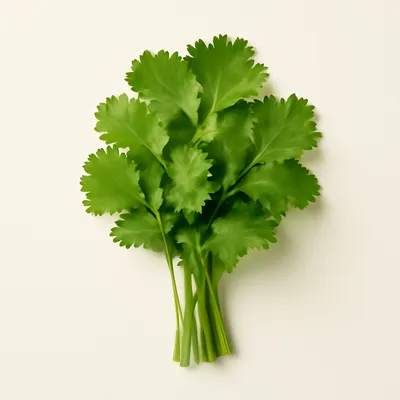
Make the marinade: pound cilantro root with garlic and white pepper, then mix with soy, oyster sauce, sugar, five-spice, and a little red yeast rice or coloring.
- 2120 min
Coat strips of pork shoulder thoroughly and marinate, refrigerated, for at least a few hours or overnight.
Watch outMarinate the pork at least a few hours, ideally overnight — the seasoning needs time to reach into the meat, not just coat the surface.
- 330 min
Roast the pork at high heat, turning and basting with the marinade, until the edges char and lacquer; rest, then slice.
Watch outRoast until the edges char and the sugars lacquer to a glossy red-brown — that caramelized crust is the whole point; pull it before it blackens bitter.
- 410 min
Make the gravy: bring pork stock to a simmer, season sweet and savory with soy and sugar, and thicken with a starch slurry until glossy.
Watch outCook the gravy just until it turns glossy and coats the spoon — over-thicken it and it sets to paste on the rice.
- 58 min
Boil eggs to your preference, peel, and halve; slice cucumber.
- 62 min
Mix the chili-vinegar dip: sliced chili and garlic in vinegar with a pinch of sugar.
- 71 min
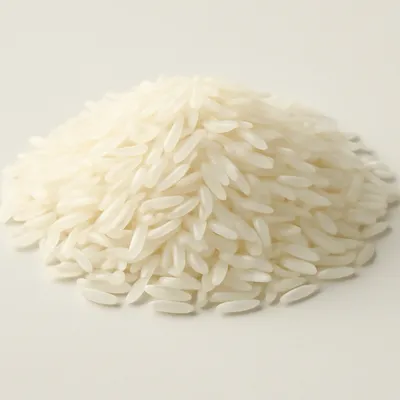
Mound hot jasmine rice and fan the sliced red pork over it.
- 82 min
Ladle the red gravy across the pork and rice, add the egg and cucumber, and serve the vinegar on the side.
Archive tool suggestions — not reviewed
These legacy suggestions have not been evidence-reviewed and are not presented as required tools.