Thai rice porridge — boiled rice in a clear pork-or-fish broth with garlic, white pepper, and ginger — eaten at breakfast and after midnight, surrounded by salty side dishes.
Khao tom — literally boiled rice — is one of the oldest Thai dishes, predating curry pastes and most regional specialization. Its longevity comes from being the food you eat when you're sick, when you're hungover, when you're up too late, when you're up too early — broth and rice for any state of body. Late-night khao tom shops with rotating side dishes are a Bangkok institution, often staying open until 4 a.m. The Chinese-Thai influence shows in the white pepper, fried garlic, and preserved-egg garnish.
Boiled rice — the dish you eat when sick, hungover, up too late, up too early. The defining choice is rice grains, not rice paste: start with cold day-old jasmine and simmer just to loosen, never raw rice (that's congee). White pepper, not black, is non-negotiable. Bangkok khao tom shops stay open until 4 a.m.
A pale, almost clear soup with whole grains of rice still defined — not the thick paste of Chinese jok. White pepper hits the nose first; the broth is clean pork or fish, lightly salted. You build each spoon with side dishes: a sliver of preserved duck egg one bite, a pinch of salted radish the next, a dab of fish-sauce-chile to wake it up. The dish is built around the act of customizing — the porridge is the canvas, the sides are the meal. If your bowl arrives pre-sauced and uniform, it's a different dish.
The defining choice is rice grains, not rice paste. To get this, you start with cooked jasmine rice (cold, day-old is best — fresh rice falls apart) and simmer just long enough to loosen. Boiling raw rice into the broth gives congee, not khao tom. White pepper, not black, is non-negotiable — it has a thinner, hotter, more medicinal note that pairs with broth where black pepper would taste woody. The fried garlic and its oil go on top at the end; if cooked into the broth they go limp.
Variations
Khao tom moo is pork; khao tom pla is fish; khao tom kui (plain rice in clear water) is the morning hangover version; Bangkok's Jok Prince and Wattana Phanich run the late-night shophouse format; Phuket Hokkien-Chinese kitchens add fried garlic and pickled radish; Trang plates it with grilled pork belly on the side.
On the Palate
Where Khao Tom sits in the Thai flavor cloud
Ingredients
Serves 4










How it's made
5 steps · 20 min active + 10 min waiting
- 15 min
Slice 12 garlic cloves thin. Fry in 4 tbsp neutral oil over medium heat until pale gold and crisp — about 4 minutes. Lift out with a slotted spoon onto paper towel; reserve the garlic oil. This is the universal Thai garnish.
Watch outFry the garlic only to pale gold and lift it out the instant the bubbling slows — it darkens off-heat, and gold-brown garlic turns bitter.
- 26 min
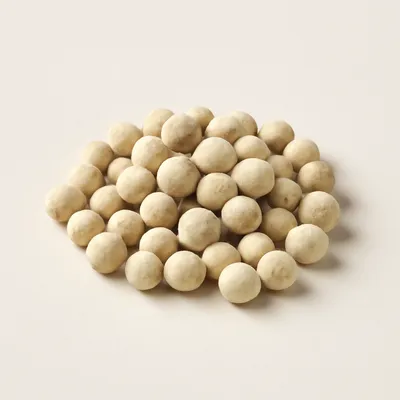
Bring 1.5L pork stock (or ikan-bilis fish stock) to a simmer with a 4cm piece of bruised ginger and 1 tsp white peppercorns lightly cracked. Simmer 5 minutes to infuse.
- 38 min
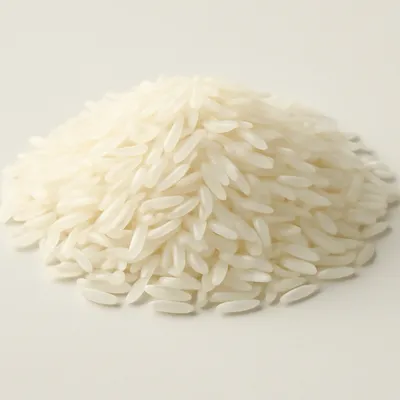
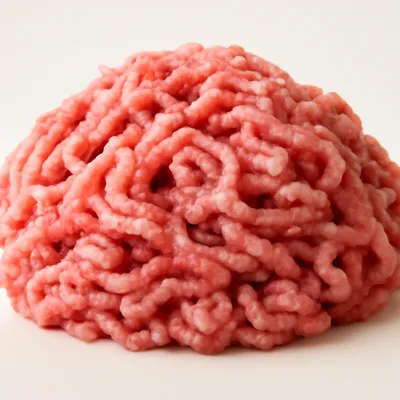
Add 400g cooked jasmine rice (the day before is ideal) and 300g ground pork rolled into 2cm balls or 300g sliced fish fillet. Simmer 8 minutes — rice loosens but stays as separate grains; broth becomes faintly cloudy. Khao tom is grain-soup, not congee — you should still see whole grains.
Watch outSimmer just until the day-old rice loosens into separate grains and the broth goes faintly cloudy — you should still see whole grains; boil it soft and it's congee, not khao tom.
- 41 min
Season with 3 tbsp fish sauce, 1 tsp soy sauce, and a pinch of sugar. Adjust — should taste mild and broth-forward; not aggressive.
Watch outTaste frequently to ensure the seasoning remains balanced.
- 52 min
Ladle into bowls. Crown each with: a spoonful of fried garlic, a drizzle of garlic oil, sliced spring onion, julienned ginger, a heavy crack of white pepper, cilantro, and a sliced bird's-eye chile in fish sauce on the side. Plus side dishes — preserved duck egg, salted radish (chai po), pickled mustard greens, fried fish — chosen by the household.
Watch outScatter the fried garlic and its oil on top at the very end — stir them into the pot earlier and they go soggy and lose the crunch.
Archive tool suggestions — not reviewed
These legacy suggestions have not been evidence-reviewed and are not presented as required tools.