
Baked Thai egg-coconut custard with mashed steamed mung beans folded in and a thick crown of crispy fried shallots over the top, set in a shallow square pan and cut into diamonds.
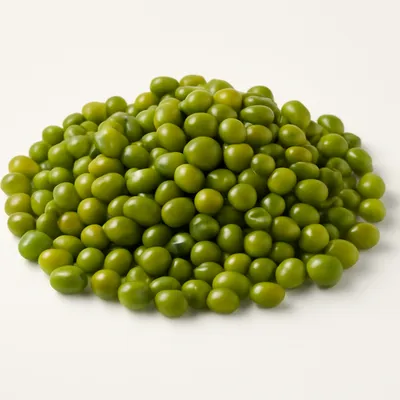
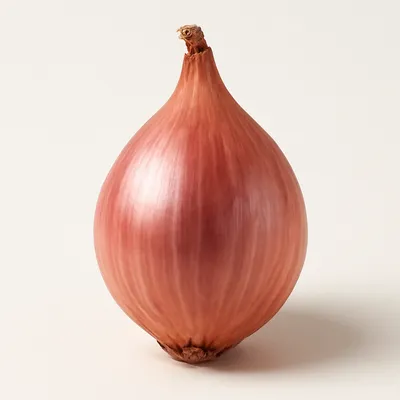




Khanom mor gaeng is the signature sweet of Phetchaburi province (about 2 hours south of Bangkok), where the local palm-sugar trade has shaped sweets since the Ayutthaya period. The Phetchaburi version uses jaggery-like nam tan tanot from local sugar palms, which gives the custard its characteristic copper-brown tint and caramel depth. The form descends from Maria Guyomar de Pinha's 17th-century Portuguese-influenced court sweets, but the mung bean and fried shallot top are local Thai additions. Bus stops along the Phetchaburi highway sell whole pans wrapped in plastic.
Phetchaburi province specialty (about 2 hours south of Bangkok), built on local nam tan tanot palm sugar that gives the custard its copper tint. The fried-shallot oil mixed into the custard is the non-obvious move — two tablespoons turns it from pure-sweet to sweet-savoury.
Cut into a 5cm diamond, the dessert reads as three layers in the eye but one in the mouth: a thin browned skin, a 3cm body of dense yellow custard streaked with mung-bean paste, and a generous mat of crisp shallot on top. The custard is fudge-soft, eggy, palm-sugar-deep, with the body of cooked mung. The shallot crown is the surprise — savoury, salty, faintly oniony — and it cuts the sweetness by half. Without the shallot it's a one-note coconut custard; with it, it's the dessert.
The fried-shallot oil mixed into the custard is the non-obvious trick — two tablespoons changes the dessert from pure-sweet to sweet-savoury and gives the body a richer mouthfeel that plain neutral oil can't replicate. Duck yolks (rather than whole eggs) keep the colour deep and prevent the spongy texture you get from too much white. Bake too hot or too long and the surface cracks and the custard weeps; the right finish is set-but-trembling at 175°C, no higher.
Variations
Mung-bean original (the Phetchaburi default); taro version (khanom mor gaeng phueak); water-chestnut version (haew); Bangkok bakery chains like S&P run a smoother lighter version, while Phetchaburi highway stalls (Mae Kim Lung is the cited brand) keep it dense and shallot-heavy.
On the Palate
Where Khanom Mor Gaeng sits in the Thai flavor cloud
Ingredients
Serves 8
How it's made
5 steps · 45 min active + 45 min waiting
- 130 min
Soak 150g split mung beans in water for 2 hours, then steam 25 minutes until soft. Mash to a smooth paste with a wooden spoon while still warm; cool fully.
- 215 min
Slice 200g shallots into 1mm rings. Fry in 250ml neutral oil over medium-low heat, stirring constantly, until evenly deep gold and crisp — about 12 minutes. Drain on paper. Reserve the shallot oil — you'll use 2 tablespoons in the custard for that signature savoury back note.
Watch outFry the shallots low and stir constantly to even gold — pull them the moment they're crisp, since they carry from gold to bitter in seconds off the heat.
- 310 min
In a large bowl whisk 8 duck egg yolks with 200g palm sugar until the sugar fully dissolves and the mixture lightens — 5 minutes by hand. Stir in 400ml thick coconut milk, the cooled mung bean paste, 1 teaspoon salt, and 2 tablespoons of the reserved shallot oil. Strain twice through a fine sieve.
Watch outWhisk the yolks and palm sugar until you feel no grit and the mix pales — undissolved sugar leaves a grainy bottom in the baked custard.
- 435 min
Heat the oven to 175°C. Lightly oil a 22cm square baking pan. Pour in the custard to about 3cm depth. Bake 30-35 minutes — the surface should set and turn pale gold; a knife in the centre comes out clean but soft. Remove.
Watch outBake to set-but-trembling — the center should jiggle like soft tofu; push past that and the surface cracks and weeps.
- 55 min
Scatter the entire layer of fried shallots evenly over the hot custard, pressing in lightly so they bond. Optional: torch or run under the broiler for 30 seconds to deepen the surface colour. Cool 45 minutes. Cut into 5cm diamonds and serve at room temperature.
Archive tool suggestions — not reviewed
These legacy suggestions have not been evidence-reviewed and are not presented as required tools.


