Clear bland soup with silken tofu, ground pork, glass noodles, napa cabbage, fish sauce, and white pepper — the family-table palate cleanser between Thailand's spicy mains.
Tom jued is the Thai family-table soup — present at almost every home meal but rarely on restaurant menus. Its function is structural: Thai meals share dishes from the center, and almost every other dish (curry, salad, stir-fry) is high in salt, fat, sour, or chile. Tom jued provides the contrast that lets diners taste those dishes accurately. The Chinese-Thai influence (glass noodles, tofu, white pepper) shows in the ingredient palette; the dish probably codified during the 19th-century influx of Teochew settlers who became Bangkok's restaurant class.
The Thai family-table soup — present at almost every home meal, rare on restaurant menus. Its function is structural: against curry, salad, stir-fry's salt-fat-sour-chili load, this is where the palate breathes. Fish sauce alone, no curry paste; white pepper, no chili. The dish probably codified during the 19th-century Teochew migration.
A clear pale-gold broth with the green of cabbage drifting at the surface and tofu hiding beneath. The pork balls are cooked through but stay tender and juicy; glass noodles slip on the spoon. White pepper provides the only real sharpness. After two bites of tom yum or som tum, this soup is the room you walk into to breathe — not exciting, intentionally so. If your tom jued tastes assertive, the cook misunderstood the assignment.
Tom jued's restraint is its mechanism. Fish sauce alone, no curry paste; white pepper, no chile; soft proteins, no charred edges. The broth must be a real pork or chicken stock — not water-and-bouillon — because it carries the dish without seasoning to hide behind. Silken tofu is added late and not stirred so it stays in cubes. Glass noodles are pre-soaked, not boiled, so they don't suck up too much broth and turn the soup thin.
Variations
Tom jued woon sen with glass noodles and pork balls is the canonical home version; tom jued tao hu uses silken tofu blocks; tom jued mara stuffs bitter melon with pork; tom jued sarai uses seaweed and is the Chinese-Thai breakfast version; Bangkok's Krua Apsorn keeps the home-version straight on the menu.
On the Palate
Where Tom Jued sits in the Thai flavor cloud
Ingredients
Serves 4






How it's made
6 steps · 15 min active + 5 min waiting
- 110 min
Soak 60g glass noodles (woon sen) in cold water for 10 minutes until pliable; drain and cut into 8cm lengths with scissors.
- 25 min
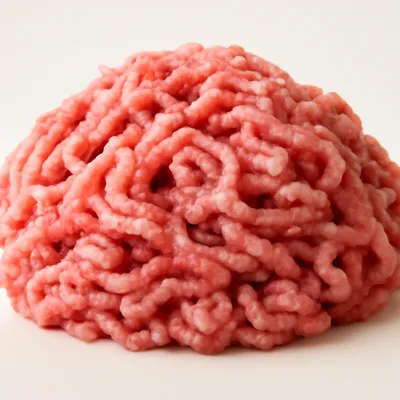
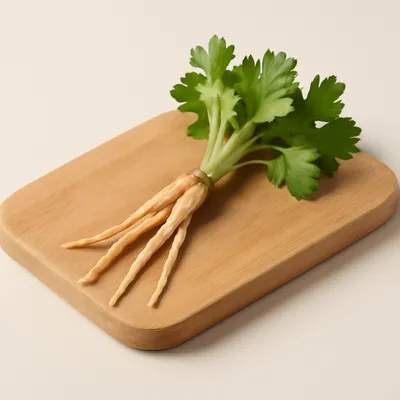
Mix 250g ground pork with 1 tsp soy sauce, ½ tsp white pepper, 1 minced cilantro root, and 1 tsp cornstarch. Roll into 2.5cm balls.
- 35 min
Bring 1.5L pork or chicken stock to a simmer. Drop in pork balls; simmer 4 minutes until they bob and turn pale. Skim any scum.
Watch outDrop the pork balls into simmering stock and wait for them to bob up and turn pale — that float is the doneness signal; skim the scum so the broth stays clear.
- 44 min
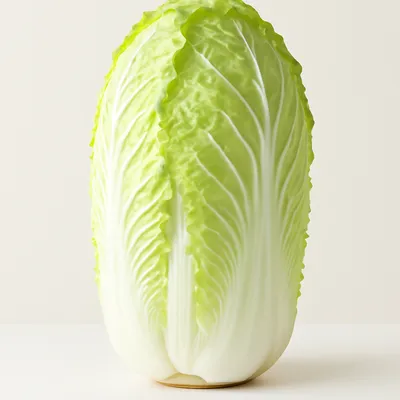
Add 200g napa cabbage cut into 4cm pieces, 200g silken tofu in 2cm cubes (carefully, do not stir hard), and the soaked glass noodles. Simmer 3 minutes — cabbage just turning translucent at the edge.
Watch outSlide the silken tofu in and don't stir — a hard stir breaks it into shreds; just nudge it and let it heat through in cubes.
- 51 min
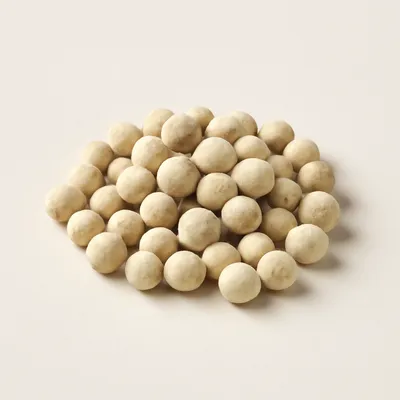
Season with 2 tbsp fish sauce and a pinch of sugar. Taste — should be mild, broth-forward, with a clean white-pepper finish. Tom jued means flavorless on purpose; do not over-season.
Watch outSeason light and taste — tom jued should stay broth-forward with a clean white-pepper finish; heavy-handed fish sauce kills the whole point.
- 61 min
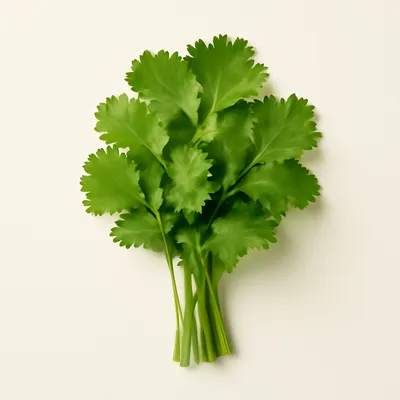
Ladle into bowls. Top with sliced spring onion, cilantro, fried garlic, and a hard crack of white pepper.