

Created in 1899 in Nagasaki by Chen Pingshun, a Fujianese immigrant who ran the restaurant Shikairo. Nagasaki had Japan's largest Chinese-student population at the time, and Chen designed champon as a cheap, calorie-dense one-bowl meal for homesick, broke Fujian students — based on the Fujian dish 湯肉絲麵 (tāng ròusī miàn). The name 'champon' is usually traced to the Fujianese greeting 吃飯 (also written 喰飯, 'have you eaten?'), the theory favored by Shikairo itself, though some scholars note that in founder Chen Pingshun's native Fuzhou dialect the phrase doesn't match the sound, leaving the etymology disputed.
1899 Nagasaki invention by Fujianese immigrant Chen Pingshun at Shikairo, built as cheap student food riffing on Fujian's tāng ròusī miàn. Champon noodles knead a Nagasaki stock concentrate (tona-jiru) into the dough so they cook in soup without going gummy.
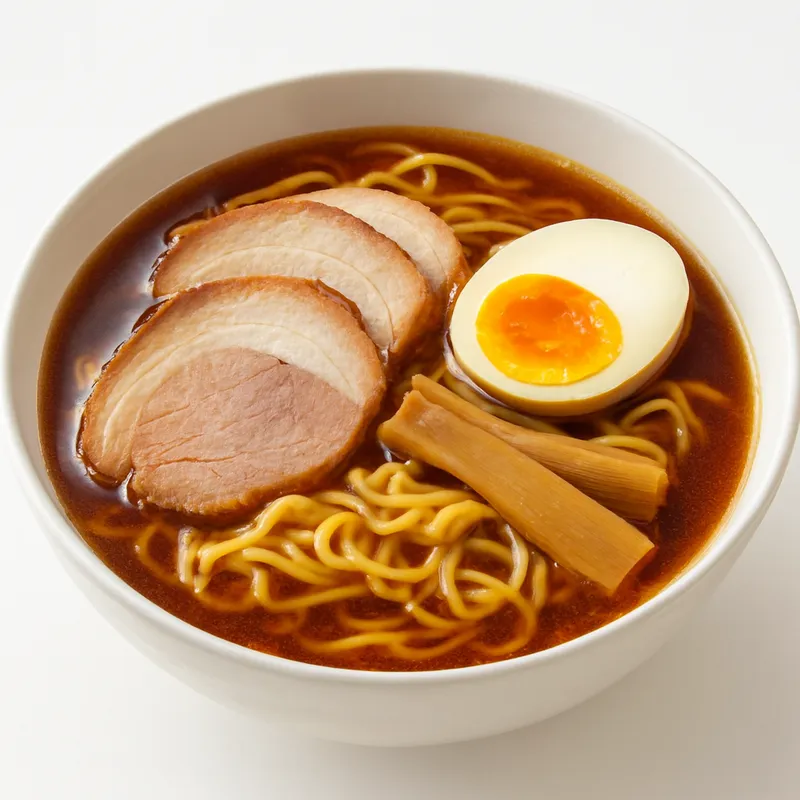
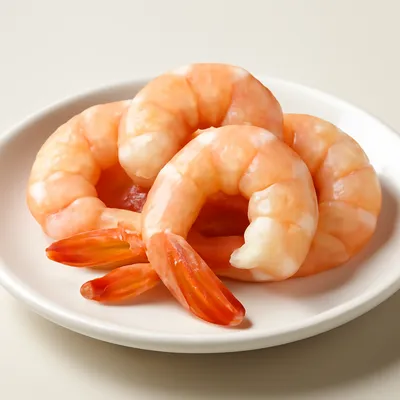
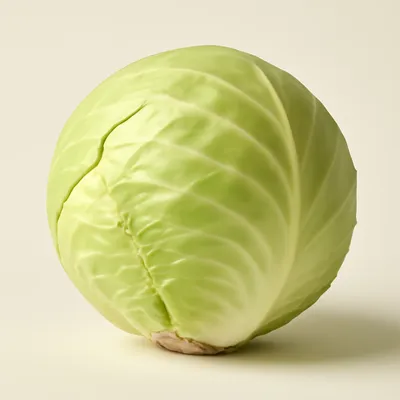
Thick wheat noodles in a milky pork-bone broth, piled with stir-fried pork, squid, shrimp, fish cake, cabbage, bean sprouts, and wood-ear mushroom. Unlike ramen, the toppings and noodles cook together in the broth — there's no neat composition. The broth is rich but lighter than tonkotsu, with a faint sea-stock undertone from the seafood. Eat with a flat-bottomed spoon to scoop the dense bottom of the bowl.
Champon noodles are unique — slightly thicker than ramen, made with tōaku (唐灰汁), a Nagasaki-specific kansui (alkaline water, mainly sodium carbonate with some potassium carbonate) rather than ordinary kansui, which gives the noodles their pale-yellow color and lets them cook directly in the broth without going gummy. They have to be cooked in the soup, not boiled separately. Stir-frying the toppings in lard before adding broth gives the dish its smoky depth — skipping that step (just simmering raw ingredients) gives a flat, watery champon.
Variations
Shikairo (the founding Nagasaki restaurant, 1899) keeps the original thick noodle and milky broth; Ringer Hut is the modern chain spread; Korean jjamppong (짬뽕) is the spicy red descendant via Incheon Chinatown.
On the Palate
Where Nagasaki Champon sits in the Japanese flavor cloud
Ingredients







How it's made
5 steps · 45 min
- 18 min
Boil wheat noodles until al dente, then set aside.
- 215 min
In a pot, bring pork bone broth to a simmer.
- 35 min
Add sliced pork, squid, shrimp, cabbage, carrot, bean sprouts, and bamboo shoots to the broth.
Watch outStir-fry the pork and veg in lard first, until edges catch color, before the broth goes in — skip this and the champon comes out flat and watery.
- 45 min
Cook until the vegetables are tender and seafood is cooked through.
Watch outFinish cooking the noodles right in the simmering soup, not in separate water — the alkaline champon noodle is made to drink up broth without going gummy.
- 52 min
Serve noodles in a bowl and pour the hot broth and toppings over them.