


Rooted in Imperial Japanese Navy cooking, which adapted Western-style stews using soy sauce, sugar and mirin in place of butter and wine. The popular tale that Admiral Tōgō Heihachirō, missing a British beef stew from his years training in England, had his cooks recreate it is a 1990s town-promotion legend, not documented history — the navy already had stew recipes (e.g. in its 1889 cooks' training regulations) before Tōgō's postings, and the very name 'nikujaga' only became established in the 1960s–70s via women's magazines. The recipe spread to civilian kitchens after WWII via demobilized navy cooks; it's now a defining ofukuro no aji (mother's flavor) home dish.
Invented in the 1870s by Imperial Japanese Navy chefs under Admiral Tōgō Heihachirō, who'd eaten British beef stew and asked his cooks to recreate it. No demi-glace, so they used shoyu, sugar, mirin — and made something else entirely. Sa-shi-su-se-so order: sugar in first, soy last.
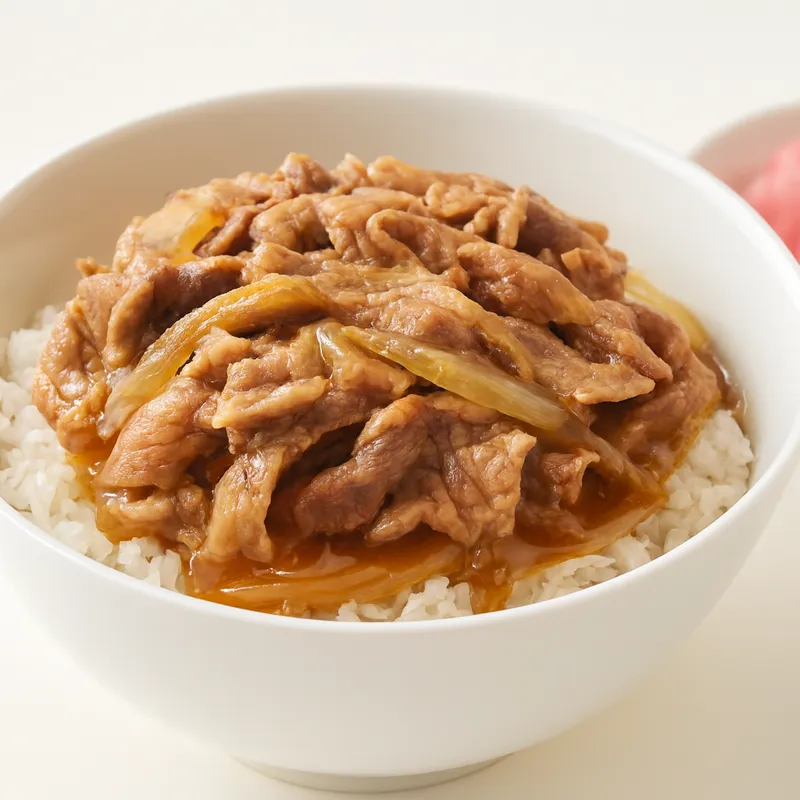
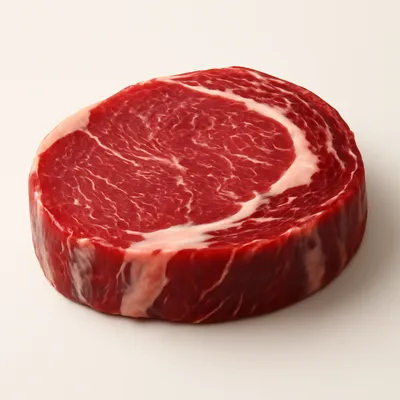
Beef (or pork in Kansai) and potato chunks simmered in a sweet shoyu-mirin-sake broth with onion and konnyaku, sometimes carrot or snow pea. Potatoes go floury, half-collapsed, soaking up the dark amber liquid. Beef is thinly sliced, almost ribbon-like — not a stew chunk. Served warm in a shallow bowl with the broth pooled at the bottom; the second day's leftovers are widely considered better.
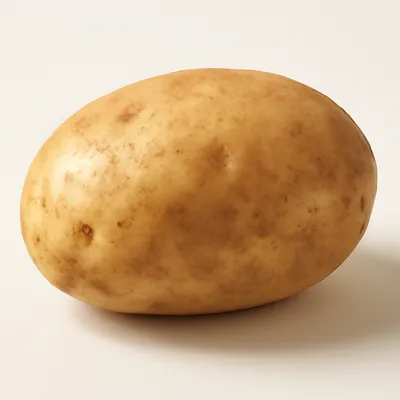
The order of adding seasoning matters — sa-shi-su-se-so: sugar first, then salt, then vinegar, then soy, then miso. Sugar molecules are larger and penetrate slowly; if soy goes in first the salt blocks sweetness from entering the potato. The potato variety matters too: floury (Danshaku) for soft collapse, waxy (May Queen) for cubes that hold shape — Japanese cooks pick deliberately. Beef goes in last and barely cooks; over-simmered beef turns dry.
Variations
Kanto uses beef and a darker shoyu broth; Kansai uses pork and a lighter one; Maizuru and Kure (both former naval ports) each claim to be the dish's 'birthplace' and keep up a long-running rivalry over the title — a contest rooted in 1990s civic promotion rather than established fact; Danshaku potatoes for soft collapse, May Queen for cubes that hold.
On the Palate
Where Nikujaga sits in the Japanese flavor cloud
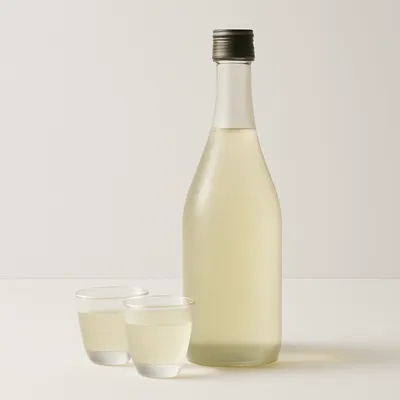
Ingredients


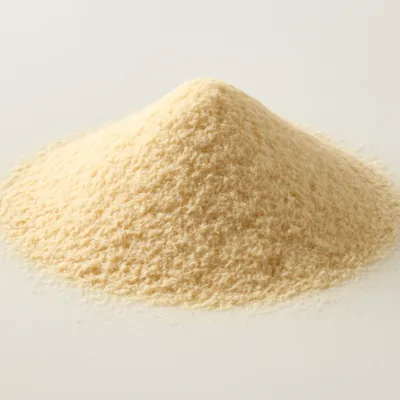


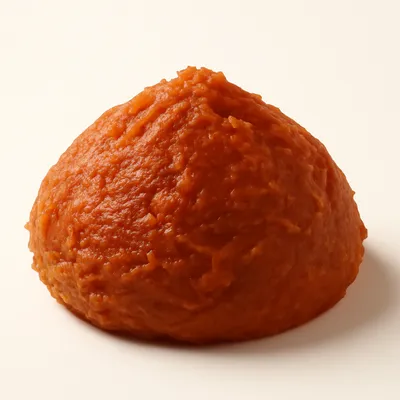
How it's made
5 steps · 45 min
- 15 min
Brown the beef in a pot until well-sealed.
Watch outBrown the beef hard until the surface is deep-colored and no longer weeping pink juice — a proper sear locks the juices in; grey steamed beef bleeds them out.
- 28 min
Add potatoes, onions, and carrots, and sauté briefly.
- 35 min
Pour in dashi, soy sauce, sake, mirin, and sugar.
Watch outAdd the seasonings sugar-first and let it dissolve before the soy goes in — put soy first and the salt blocks the sweetness from soaking into the potato.
- 415 min
Bring to a simmer and cook until the potatoes and carrots are tender.
Watch outSimmer until a skewer slides through the potato with no resistance — and slip the beef back in only at the very end, since long-simmered beef goes dry.
- 52 min
Adjust seasoning and serve hot.
Archive tool suggestions — not reviewed
These legacy suggestions have not been evidence-reviewed and are not presented as required tools.