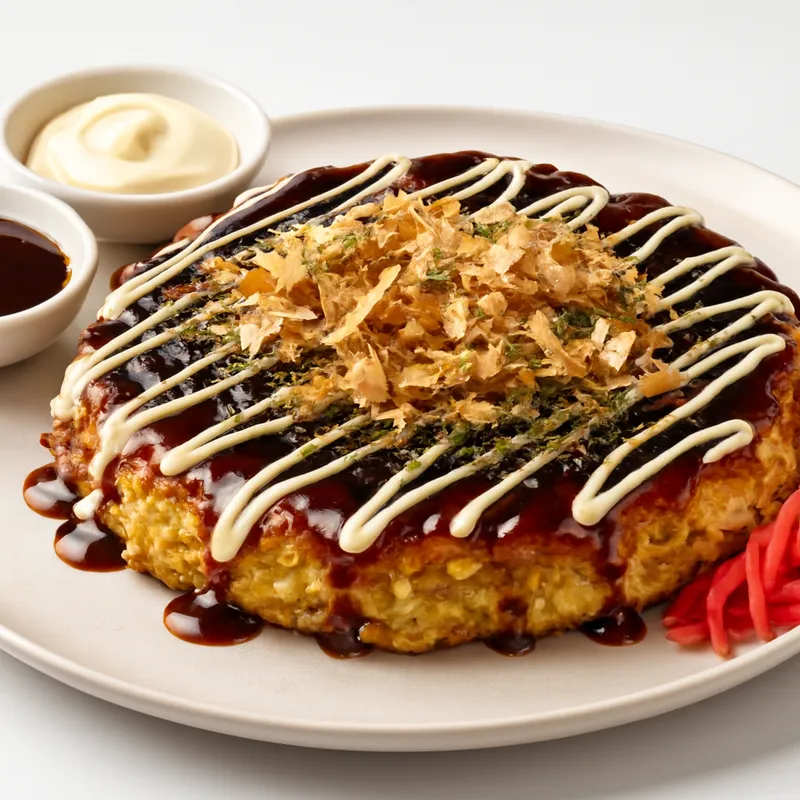
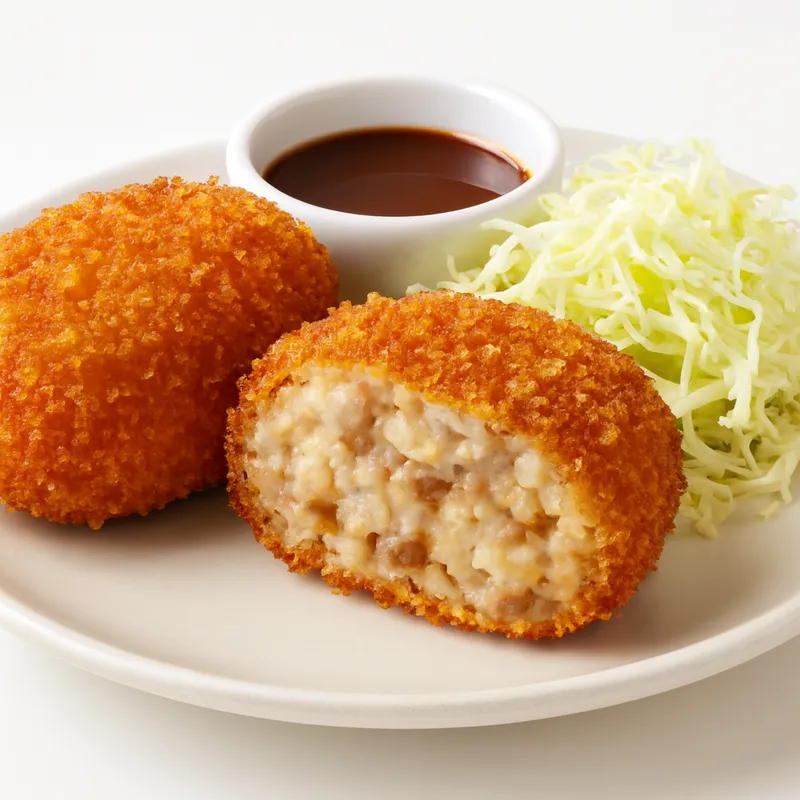
A savory pancake-like dish with a gooey center, filled with cabbage, pork, and assorted toppings, cooked on a hot griddle.
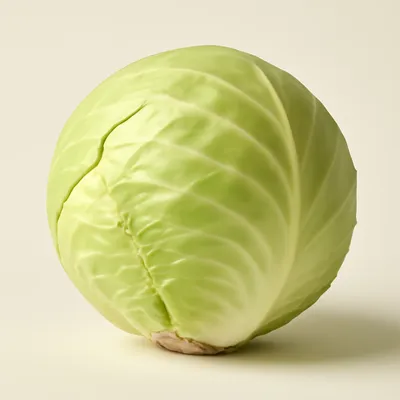



A Tokyo (specifically Tsukishima district) descendent of children's snack-shop cooking from the late Meiji and Taisho periods (early 20th century), where kids would write characters with thin batter on a hot iron — 「文字焼き」(monji-yaki, "letter-grilling") slurred into 「もんじゃ」 (monja). It evolved into adult food in postwar Tsukishima, where the neighborhood's monjayaki street (Monja Street) now has 70+ shops.
Taisho-era kids' snack from Tsukishima where children wrote characters on hot iron with batter — 「文字焼き」 slurred into 「もんじゃ」. The neighborhood's Monja Street still runs 70-plus shops; the cabbage ring is a dam, not decoration.
A loose, runny batter — far thinner than okonomiyaki — cooked on a tabletop teppan with shredded cabbage, dried shrimp, sometimes mochi or cheese. Diners build a ring of cabbage to corral the wet batter, let it bubble down to a sticky brown gel, then scrape one bite at a time with small flat spatulas (hagashi) directly off the griddle. Eaten standing-up to the iron, never plated. Crispy bottom edges are the prize bites.
The cabbage ring isn't decoration — it's a dam. The batter is intentionally too wet to hold a shape, so the cabbage walls keep it on the griddle until evaporation thickens it to a paste. Eat too early and it's soup; too late and it's a chip. The window is about 90 seconds at the right heat. The hagashi spatula scraping creates micro-crispy edges in every bite — which is why monjayaki cannot be replicated on a plate.
Variations
Mentaiko-mochi-cheese is the postwar Tsukishima default; the curry-powder version is the traditional 'kara' (savory) style, descended from monjayaki's Gunma roots where strawberry syrup ('ama', sweet) or curry powder ('kara') were stirred in; Asakusa's older shops keep it austere with just sakura-ebi and cabbage; the home-style 'amayaki' uses condensed milk for a dessert version.
On the Palate
Where Monjayaki sits in the Japanese flavor cloud
Ingredients




How it's made
5 steps · 25 min
- 13 min
Mix wheat flour with water and dashi to form a thin batter.
- 25 min
Add finely chopped cabbage, pork belly, squid, and mochi to the batter.
- 35 min
Heat a griddle and pour the batter onto it, spreading it evenly.
Watch outBuild the cabbage into a ring wall and pour the loose batter inside — the cabbage is a dam holding the too-wet batter on the griddle, not a garnish.
- 45 min
Let the edges cook until crispy while the center remains gooey.
Watch outScrape and eat when the center just thickens to a gooey paste — about 90 seconds; too early it's soup, too late it dries to a chip.
- 55 min
Top with Worcestershire sauce and beni shoga before serving.
Archive tool suggestions — not reviewed
These legacy suggestions have not been evidence-reviewed and are not presented as required tools.