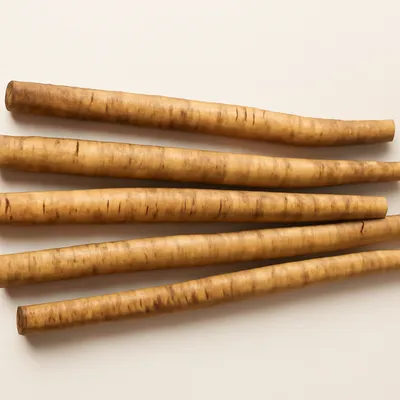
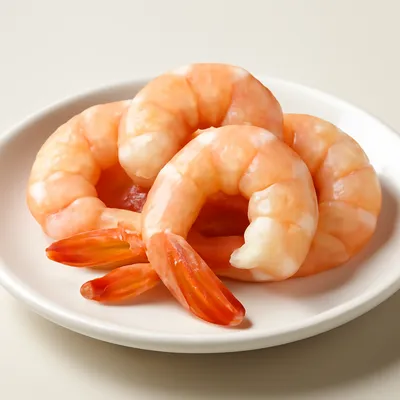
Kakiage is a form of tempura in which julienned or shredded mixed ingredients are bound in a light batter and deep-fried as a single cluster or cake, rather than as individually coated pieces. Common combinations include onion, carrot, burdock root, and mitsuba, often with small shrimp, sakura shrimp, or scallop. Unlike standard tempura, where each item is coated and fried on its own, kakiage gathers many small pieces into one fritter held together by just enough batter. It is served on its own with tentsuyu dipping sauce or salt, or set over rice as kakiage-don or atop hot or cold soba or udon.



Kakiage belongs to the family of tempura (天ぷら), a battered deep-frying technique introduced to Japan through Nanban cooking carried by Portuguese missionaries and traders during the 16th-century Nanban trade. The method was refined over the Edo period into the Edomae tempura of Edo (present-day Tokyo), where it spread as popular street food. The name kaki-age is generally tied to the verb kaku (掻く), to rake or scrape together, since the small cut pieces are gathered and raked into a single mass before and during frying; some sources instead link it to kaki-mazeru, to mix together. The precise origin of the kakiage form itself is unrecorded.
Done right, kakiage is light and lacy with an open, crackly-crisp lattice that shatters audibly at the first bite. The cut vegetables stay distinct within it: sweet onion, earthy burdock, and sweet carrot, with shrimp adding brine and a firmer crunch. The batter is a thin, dry, greaseless shell rather than a thick coating. It is eaten hot, either dipped in tentsuyu of dashi, soy, and mirin with grated daikon stirred in, or with a little salt. A poor one is oily, dense, doughy, or falls apart in the oil.
Kakiage's lacy crispness comes from three controlled factors. First, the batter is deliberately loose, cold, and barely mixed: ice-cold water and low-protein soft flour are stirred only briefly and left lumpy, so little gluten develops and the coating fries light and crisp rather than bready, since cold and minimal mixing keep the gluten proteins from linking into an elastic network. Second, the julienned pieces are tossed with a little dry flour so batter clings, then bound with just enough batter and slid into oil at about 170 to 180°C as a cluster, so the pieces fuse while leaving gaps; this open lattice exposes many surfaces to the oil, maximizing crisping and letting steam escape as the food's water flashes to vapor, which is the vigorous bubbling. Third, the steep gradient between the cold batter and the hot oil sets a thin, dry crust quickly, so it firms before much oil can soak in.
Variations
Named variants center on how the fritter is served. Kakiage-don sets it over rice with tentsuyu, while kakiage soba and kakiage udon place it atop hot or cold noodles. Sakura-ebi kakiage uses the tiny pink sakura shrimp landed in Suruga Bay, Shizuoka, a noted regional version fried in the lightest possible batter to show off the shrimp's sweetness and color. Other versions feature sweet corn, or seafood mixes with scallop and squid. The vegetable blend itself shifts with the season and region.
On the Palate
Where Kakiage sits in the Japanese flavor cloud
Ingredients
Serves 2


How it's made
8 steps · 25 min active + 5 min waiting
- 110 min
Julienne or thinly slice the vegetables to a similar size: onion, carrot, burdock root soaked briefly in water to curb browning, and mitsuba cut into short lengths. If using shrimp, peel and pat dry.
- 23 min
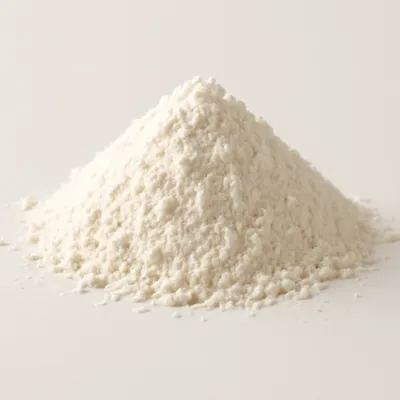
Pat all the cut ingredients thoroughly dry, then toss them with a spoonful of dry flour so the surfaces are lightly coated and the batter will cling.
- 32 min
Make the batter just before frying: stir flour into ice-cold water (with a beaten egg if used) for only a few seconds, keeping it cold and lumpy rather than smooth.
Watch outStir the batter only a few seconds and keep it cold and lumpy — overworking builds gluten and the coating fries bready instead of lacy.
- 42 min
Combine the floured ingredients with just enough batter to bind them loosely; do not flood them, so gaps remain between the pieces.
Watch outBind the pieces with just enough batter to hold together — flood them and you lose the open gaps that make kakiage lacy.
- 52 min
Heat oil to about 170 to 180°C. Scoop a portion onto a flat spatula or ladle, slide it gently into the oil, and hold the shape for a few seconds until it sets.
Watch outHold the cluster on the ladle a few seconds as it hits the oil so it sets in shape — let go too soon and it scatters apart.
- 63 min
Fry undisturbed until the underside is set, then flip; spoon hot oil over the top or turn once more, frying until pale gold and crisp.
- 72 min
Lift out and drain on a rack or paper so excess oil runs off and the lattice stays open.
- 81 min
Serve hot with tentsuyu of dashi, soy, and mirin plus grated daikon, or simply with salt; or set over rice or noodles.
Archive tool suggestions — not reviewed
These legacy suggestions have not been evidence-reviewed and are not presented as required tools.