
A traditional Fuzhou street snack, known locally in Fuzhou dialect as die-biang. A slurry of soaked rice and soybeans, ground and seasoned with salt, is layered into a long-handled iron ladle around a filling of fresh oysters, minced pork, and greens, capped with more batter, and deep-fried until it sets into a round, golden disc that releases from the ladle on its own. Crisp shelled and soft centred, it is a classic Fuzhou breakfast, eaten on its own or dunked into a bowl of ding-bian-hu rice soup.



Confirmed origins are unrecorded; the oyster fritter is documented as an old Fuzhou snack, eaten as breakfast or a side to congee and most often paired with the rice soup ding-bian-hu, one wet and one dry. A widely repeated folk tale attributes its invention to a young vendor in early Qing-dynasty Fuzhou who hit on grinding rice and soybeans into batter to fry, but this is legend rather than record. What is consistent across sources is the dish itself: the rice-and-soybean slurry, the long-handled iron ladle used as a mould, and the ladle-frying method, all long established along Fujian's eastern coast.
The shell shatters at the first bite, a thin crust of fried rice batter that crackles and gives way to a soft, savoury interior. Inside, a fresh oyster bursts briny and warm against minced pork and the green snap of scallion and celery. The fritter is a flat round disc, golden and oily-glossed but not greasy. It is best eaten straight from the oil, still hot; once the crust softens and goes limp the contrast is gone and it eats heavy.
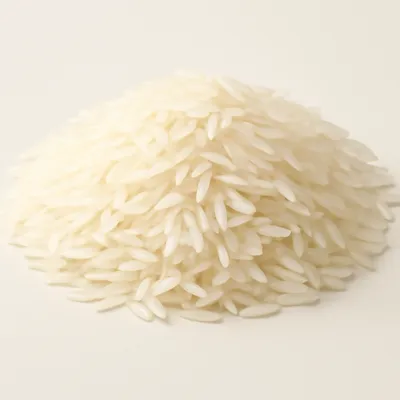
The batter is the point. Rice and soybeans are soaked for a couple of hours, then ground wet into a slurry and seasoned with salt, roughly seven parts rice to three parts soybean. In the oil, the rice starch gelatinises then rapidly dehydrates into a rigid, glassy crust, while the soybean contributes protein and a little fat that drive browning by the Maillard reaction and bind the shell so it crisps rather than shatters to dust. The iron ladle is the mould: heated in the oil first so the batter sets against it, it is laid with a base of slurry, then filling, then a cap of slurry, and lowered into oil around six or seven on the ten-point heat scale. As the disc cooks through, its interior moisture flashes to steam and puffs the centre, and the crust firms and shrinks away from the metal, so a tap of the ladle against the pan rim drops the finished fritter free.
Variations
Fillings vary but oyster, lean pork, and a green—scallion, celery, or leek—are the constant trio; many cooks add laver, shredded radish, or cabbage. The dish is named both li-bing (oyster cake) and hai-li-bing, the latter foregrounding the oyster. Coastal towns keep their own versions: Fuqing's oyster fritter is a noted local style in its own right, and Pingtan's is prized for insisting on real oysters in the filling. Radish-forward and other vegetable-heavy fritters are also sold where oysters are scarce or off-season.
On the Palate
Where Fuzhou Oyster Fritter sits in the Chinese flavor cloud
Ingredients
Serves 4

How it's made
8 steps · 2 hours 10 min
- 1120 min
Rinse the rice and soybeans, then soak together in cold water for about 2 hours; drain.
- 210 min
Grind the soaked rice and soybeans with a little water into a smooth, pourable slurry; season with salt and stir well.
- 38 min
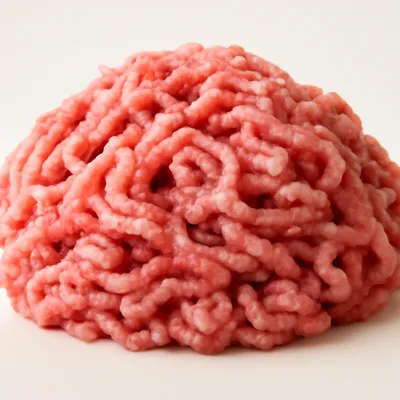
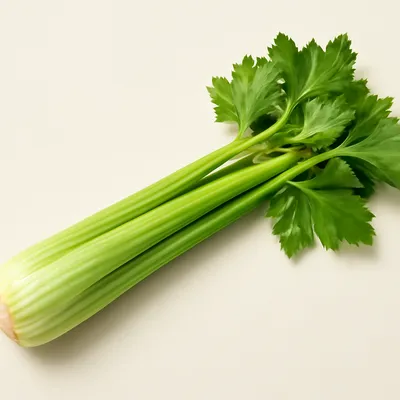
Make the filling: combine the oysters, minced pork, and chopped scallion and celery, seasoning lightly with salt and white pepper.
- 45 min
Heat oil to about six or seven on the ten-point scale (around 170 to 180 degrees) and warm the long-handled iron ladle in it so batter will set against the metal.
Watch outHeat the iron ladle in the oil before you fill it, so the batter sets against the hot metal — a cold ladle and the fritter sticks and won't release.
- 53 min
Spoon a base layer of slurry into the hot ladle, add a portion of filling, then cap with more slurry to enclose it.
- 65 min
Lower the ladle into the oil and fry until the disc sets, firms, and turns golden, basting the top with oil so it cooks through.
Watch outBaste hot oil over the top as it fries so the disc cooks through evenly, not just on the bottom.
- 74 min
Tap the ladle against the pan rim to release the fritter, then fry loose for a moment more until evenly golden and crisp; lift out and drain.
Watch outTap the ladle on the pan rim to drop the fritter free, then fry loose until evenly golden and crisp.
- 82 min
Serve hot on its own or alongside a bowl of ding-bian-hu rice soup or congee.


