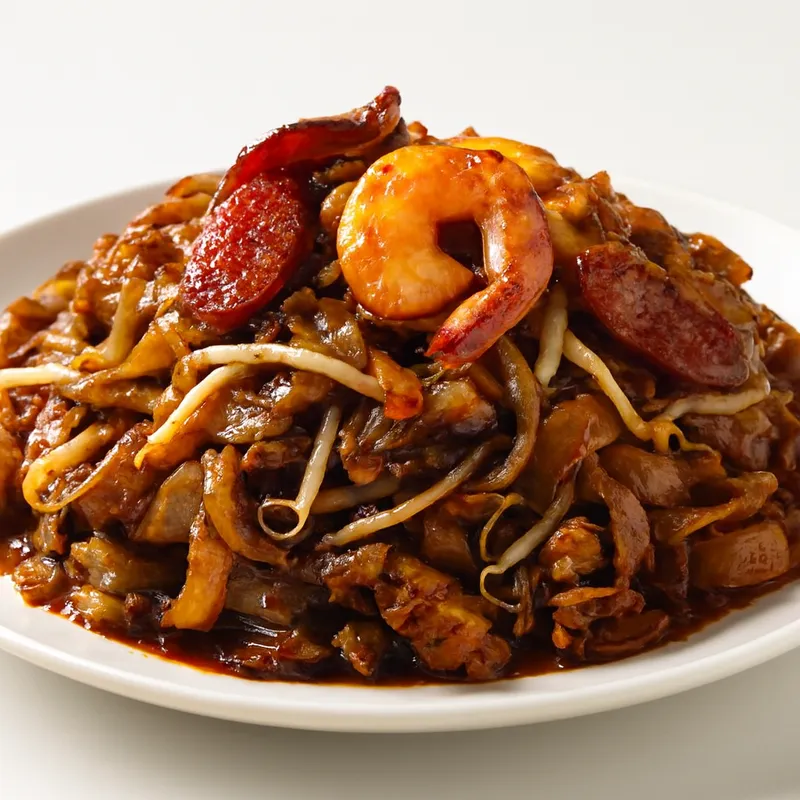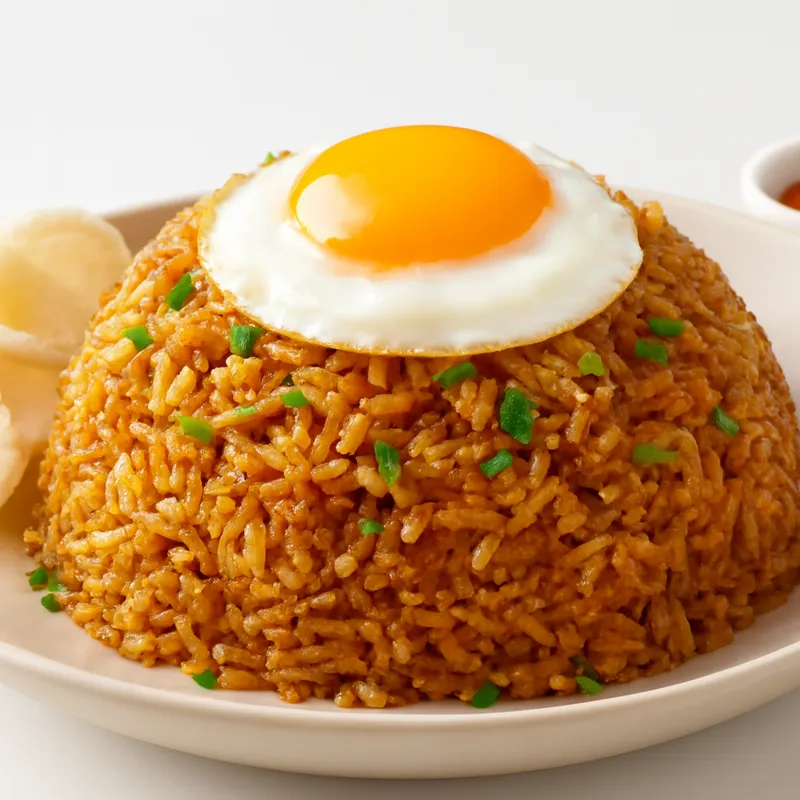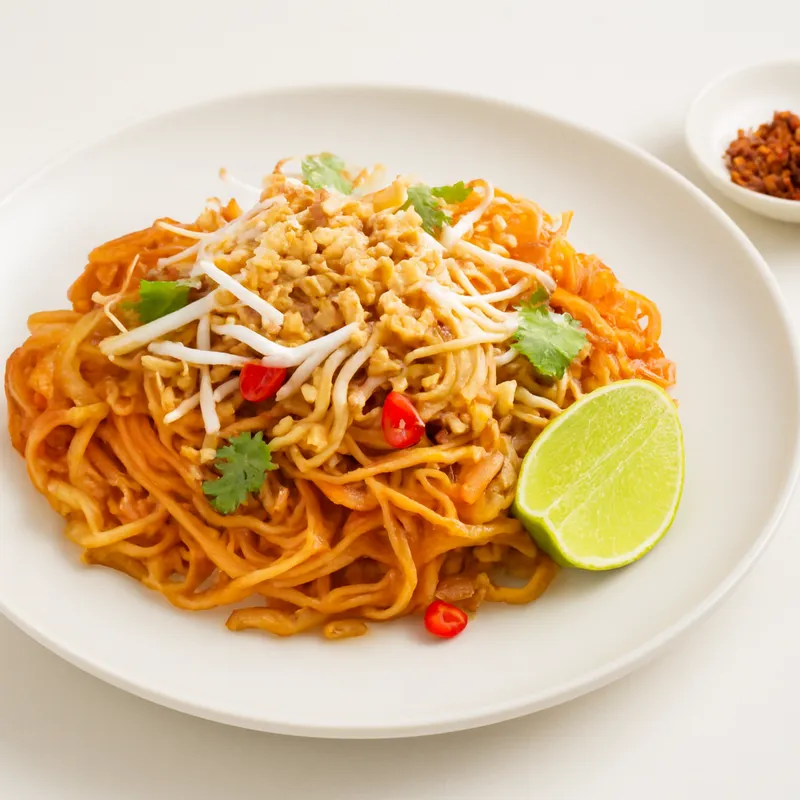




Invented in Sri Lanka's Eastern Province, around Batticaloa, in the 1970s as a way to use up leftover roti and curry — Tamil-Muslim street cooks chopped everything together on a hot griddle. The dish spread across the island in the 1980s and became Sri Lanka's most recognizable street food. The percussive chopping is part advertising — the rhythm is audible from the next street and pulls customers in.
1970s Batticaloa invention by Tamil-Muslim street cooks. Two metal blades hammering godhamba roti on a hot griddle in 4/4 time — the noise is part of the menu.
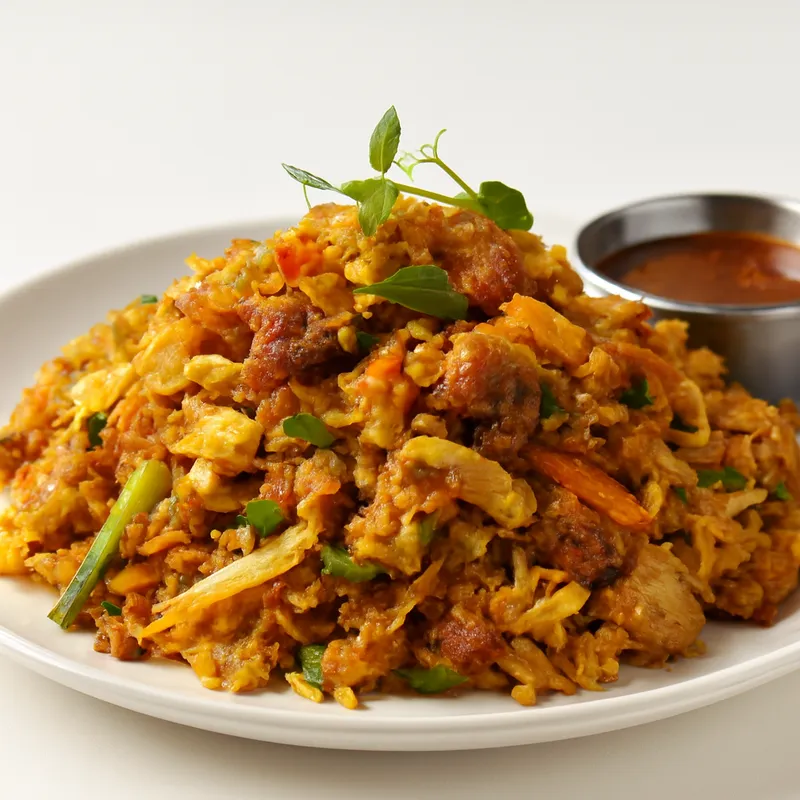
First you hear it — two metal blades hammering a hot griddle in a fast 4/4 rhythm, cutting godhamba roti into ribbons with cabbage, leek, egg, curry, meat. The finished plate is a chopped-up tangle, faintly oily, salty-spicy from the curry sauce splashed in last. Eat with your hand or a spoon. If it tastes flat, the cook didn't add enough curry liquid before the final fold.
The griddle has to stay hot throughout. The chopping isn't just for size — it's a constant tossing motion that flash-sears every cut surface and keeps the roti from steaming into a wet mass. Curry sauce goes in twice: once to flavor the mix, once at the very end to wet the surface. Cooks who add it all upfront end up with a soggy plate.
Variations
Cheese kottu (Colombo street stalls love it); dolphin kottu, named for the airborne chopping show; nasi goreng kottu in Malaysian-Sri-Lankan diaspora kitchens swaps roti for rice.
On the Palate
Where Kottu Roti sits in the Sri Lankan flavor cloud
Keep the griddle screaming hot and add the curry sauce in two goes — once into the mix, once at the very end to just wet the surface. Chop-toss constantly so every cut edge flash-sears; a cooling pan or all-the-sauce-upfront steams the roti into a soggy clump.
Ingredients





How it's made
5 steps · 30 min
- 110 min
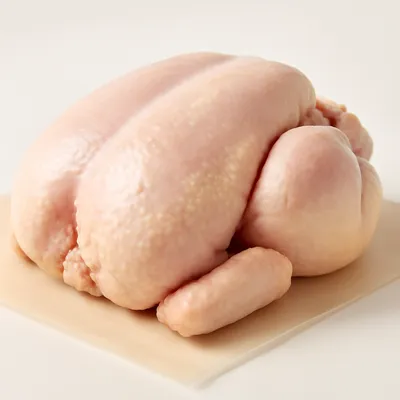
Dice the roti into small, bite-sized pieces. In a large wok, heat a splash of oil over medium-high heat until shimmering. Add the chicken, stirring frequently until browned and cooked through.
Watch outOil should shimmer before the chicken goes in — a properly hot pan browns the meat fast instead of leaching out water.
- 25 min
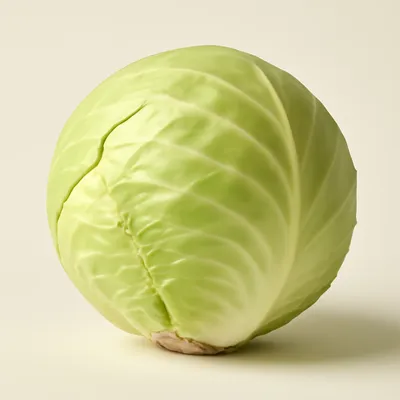
Add the cabbage and carrot to the wok. Stir-fry briskly, maintaining a steady sizzle, until the vegetables are softened but still vibrant in color.
Watch outStir-fry the cabbage and carrot fast and hard — you want them just softened but still bright, not stewed limp.
- 35 min
Push the chicken and vegetables to one side of the wok, and crack the eggs into the open space. Scramble them gently, folding them into soft curds before mixing with the rest of the ingredients.
Watch outAvoid overcooking the eggs; they should be soft and just set before mixing.
- 45 min
Add the diced roti to the wok along with a generous splash of soy sauce. Toss everything together vigorously, ensuring the roti absorbs the sauce and flavors.
Watch outThis is the loud chopping stage — toss and cut relentlessly so the roti drinks the sauce and every edge crisps.
- 55 min
Continue to stir-fry until the kottu is heated through and the flavors meld, with a savory aroma permeating the kitchen. Adjust seasoning to taste.