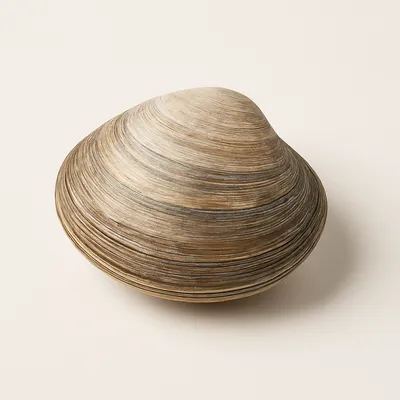
Fuzhou breakfast soup — rice batter brushed onto a hot wok edge cooks into thin sheets that slide into a fish-bone broth with dried shrimp, dried razor clams, and clams.




A Fuzhou-only breakfast, named for the technique: ding (鼎) is the old word for wok, bian (边) is its edge. The dish is tied to two local legends: an older one (recorded in the Tengshan Zhi) about the four loyal generals of the Minyue king Ying being fed the quick-cooking dish by villagers at Xiadu, and a better-known one about Qi Jiguang's Ming-dynasty troops being fed in a hurry during the anti-pirate campaign — true or not, the technique only ever took root in Fuzhou. You can find it on a hundred street corners there and almost nowhere else in China.
Fuzhou-only breakfast named for the technique: ding (鼎) is the wok, bian (边) its edge. The wall sits at 200°C above the broth — rice batter sets in seconds against the hot metal, then drops in as a distinct sheet. Ladle the batter into the broth instead and it dissolves into porridge. Eat in five minutes.
A bowl that looks like clear broth with what seem to be wide noodles drifting in it — except they're rice sheets cooked in 60 seconds and torn off the wok wall. Texture is somewhere between fresh rice noodle and silken tofu skin, slippery and just-set. Broth is fish-savory, not heavy, with the chew of clam and the crunch of fried peanut. Eat fast — past five minutes the sheets soak through and turn pasty.
The wok-edge step is non-negotiable: the wall sits at around 200°C above the broth, while the broth itself is at 100°C. Rice batter on the wall sets in seconds without absorbing water, so the sheet stays distinct. If you ladle batter into the broth instead, it dissolves into rice porridge — same ingredients, completely different dish. The covered minute lets the sheet steam-set before the splash knocks it down.
Variations
Fuzhou street stall version with clam, fried peanut, dried shiitake; Putian variant adds dried oysters; modern Fuzhou shops chain it (老福州 chain) but keep the wok-edge step; outside Fujian, almost nobody makes it.
On the Palate
Where Ding Bian Hu sits in the Chinese flavor cloud
Ingredients
Serves 4





How it's made
6 steps · 25 min active + 15 min waiting
- 15 min
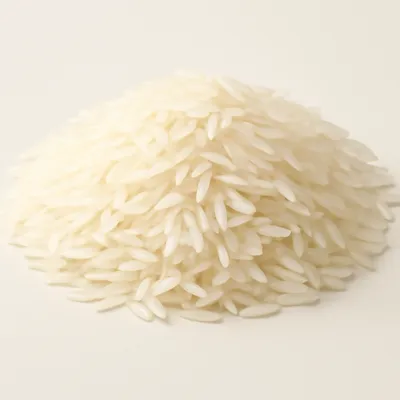
Soak 200g long-grain rice for 4 hours, then blend with 350ml water into a smooth pourable batter (consistency of single cream). Strain.
Watch outBlend and strain the rice batter to the thinness of single cream — too thick and it won't set into a distinct sheet on the wok wall.
- 225 min
Make broth: simmer fish bones, dried small shrimp, sliced pork belly, and dried shiitake in 1.5L water for 25 minutes. Strain — keep the shrimp and shiitake.
- 34 min
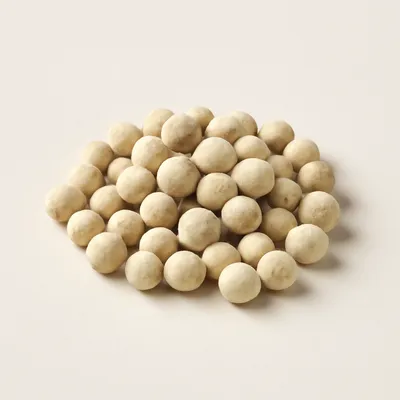
Bring broth to a rolling boil in a wide wok. Add clams, sliced cuttlefish, and a handful of fried peanuts. Season with fish sauce and white pepper.
- 41 min
While broth boils, brush a thin layer of rice batter around the inside of the wok edge — only the wall, above the broth line. Cover for 60 seconds. The batter cooks into a thin sheet.
Watch outBrush the batter only on the wall above the broth line and cover — the hot dry wall sets it in seconds; batter that touches the broth just melts into porridge.
- 54 min
Splash a little broth up the wok wall — the cooked sheet curls and slides down into the broth in irregular torn pieces. Repeat 3-4 times until all batter is used.
Watch outSplash a little broth up the wall so the set sheet curls and slides down in torn pieces — repeat before the next batch, don't stir it to mush.
- 61 min
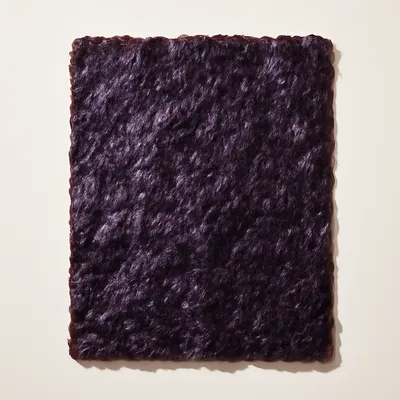
Stir in dried purple seaweed (laver) and chopped scallion. Serve immediately — the sheets stay tender for about 5 minutes before going gummy.
Watch outServe straight away — the torn sheets stay slippery-tender only about five minutes before they turn gummy.