
Nakji Bokkeum
“Small octopus stir-fried fast over high heat in a gochujang-gochugaru sauce with onion, scallion, and a knife-edge of sugar — Jeolla coast (Mokpo) home cooking, infamously spicy.”
Where it comes from
Nakji bokkeum is a Jeolla-province coastal dish, with Mokpo on the southwest tip its claimed birthplace; nakji (small octopus) live in the mudflats off the Yellow Sea coast and are gathered by local divers and mudflat fishers. The intensely spicy stir-fried form took its current shape in mid-20th century port restaurants — earlier nakji preparations were boiled (sukhoe) or eaten raw and wriggling (san-nakji). The phrase 'maewotang nakji' (kill-spicy octopus) is a Mokpo specialty marketing term that spread to Seoul in the 1980s-90s.
On the plate
Glossy crimson coats every tentacle; the heat hits before the flavour — this is one of the spiciest dishes in Korean home cooking, hot enough that Mokpo locals call it 'jugeumui mat' (taste of death). Underneath the gochujang burn the octopus is bouncy-tender, with the natural sweetness of fresh cephalopod cutting through. Onion is half-charred and crunchy; scallion goes wilted-green. If the octopus is chewy you cooked it past 3 minutes; if the sauce is loose and red-watery you didn't get the pan hot enough.
How it works
Octopus protein cross-links and toughens above 80°C if held there long; the trick is super-high heat for under 3 minutes total — it stays in the tender window. The sauce starts pasty because gochujang is salt-reduced fermented paste; it loosens to glossy only when octopus releases its own water. Adding scallion off-heat preserves its raw bite — the contrast against fully-cooked onion is the textural point of the dish.
Mokpo claim — small octopus from the Yellow Sea mudflats, stir-fried in mid-20th-century port restaurants. Octopus protein cross-links above 80°C if held there; the trick is high heat for under 3 minutes total or it tightens to rubber.
Variations
Mokpo's 'jugeumui mat' (taste of death) is the spiciest reference; Seoul-style nakji-bokkeum tames the heat and adds udon; Tongyeong has a clear-broth nakji-yeonpo-tang variant; san-nakji (live, wriggling) is the raw cousin.
On the Palate
Ingredients
Serves 3










How it's made
5 steps · Show ↓25 min active · 5 min waiting
How it's made
5 steps · Show ↓- 18 min
Massage 600g small live or fresh octopus (nakji) with 2 tbsp coarse salt and a handful of flour for 2 minutes to strip slime. Rinse repeatedly under cold water until no foam comes off. Pat dry. Cut bodies and tentacles into 4cm pieces.
- 25 min
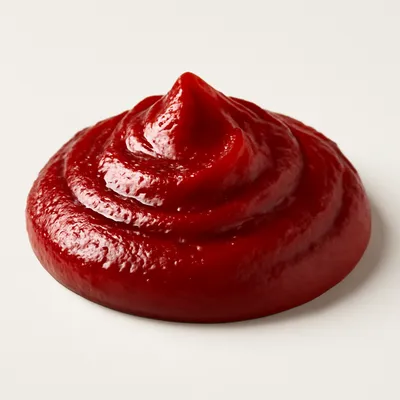
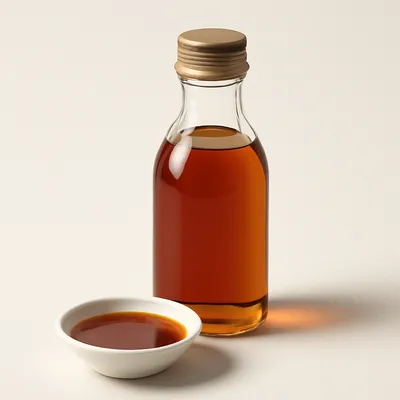
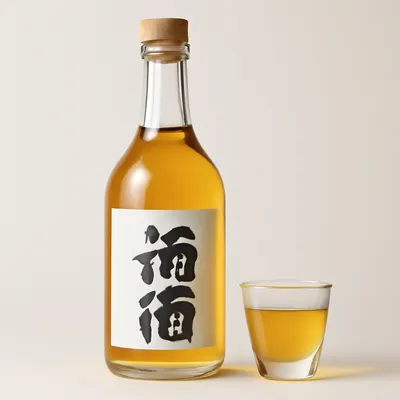
In a small bowl whisk 3 tbsp gochujang, 2 tbsp gochugaru (Korean red pepper flake — coarse, not powder), 2 tbsp soy sauce, 1 tbsp sugar, 1 tbsp minced garlic, 1 tsp grated ginger, 1 tsp toasted sesame oil, 1 tbsp rice wine. The sauce should be thick — not pourable.
- 32 min
Heat a wide skillet over the highest flame until smoking. Add 2 tbsp neutral oil. Throw in 1 sliced onion and 1 sliced carrot; toss 60 seconds — the edges should char, not soften.
Watch outEnsure the skillet is hot enough to char the edges of the onion and carrot without softening them.
- 43 min
Add the octopus and the sauce together. Stir-fry hard for 2-3 minutes ONLY — octopus turns rubbery the moment it overcooks. The sauce will go from pasty to glossy as the octopus releases water.
Watch outAvoid cooking the octopus for longer than 3 minutes to prevent it from becoming rubbery.
- 52 min
Off heat. Toss in 4 scallions cut into 4cm batons and 1 tsp toasted sesame seeds. Residual heat softens the scallion just enough. Serve immediately over hot rice with a side of cold cucumber.
What you'll need
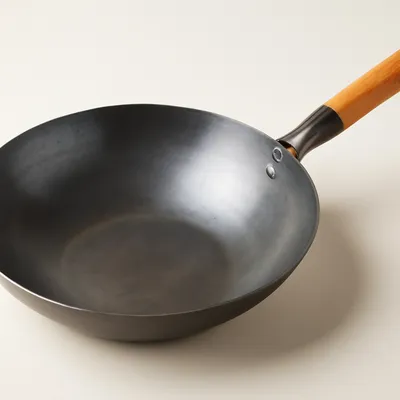
A carbon-steel hemispherical pan, 30-40 cm across, with a rounded bottom and high sloping walls. The bottom takes ferocious direct heat — a properly seasoned wok over a roaring gas flame holds 250-300°C, hot enough to deliver wok hei, the breath-of-the-wok smoky char prized in Cantonese stir-fry. The sloped walls give cooler zones for batch-cooking, and the rounded bottom lets a single tossing motion distribute oil and food evenly.
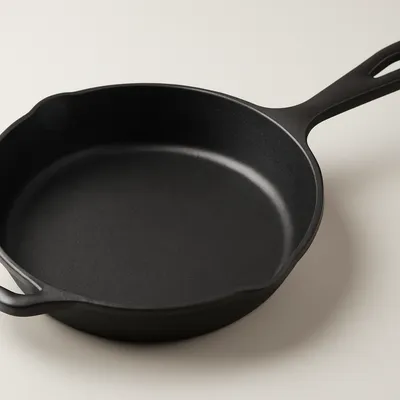
A heavy, single-piece cast iron pan, 25-30 cm across, weighing 1.5-2.5 kg. Once preheated, the thick mass holds 230°C+ even when a cold steak hits the surface — that's the secret to a deep crust. A well-seasoned skillet (multiple thin layers of polymerized oil baked into the iron) is essentially nonstick, gets better with use, and lasts a century. Lodge skillets from Tennessee have been in continuous production since 1896.


