


Both versions trace to Hokkien (Fujianese) immigrants who settled the Malay peninsula from the 19th century — but they diverged regionally. The KL style is widely credited to Wong Kim Lian, an Anxi-born migrant who set up a Fujian-style noodle stall near Petaling Street after arriving in 1927; the dark-soy stir-fry took shape gradually as he adapted to a hot-climate palate (adding flatfish powder, dark soy, belacan and chili and drying the noodles down), and his shop Kim Lian Kee (named after him) became the benchmark — rather than a single clean 1927 'codification.' Penang Hokkien mee (also called 'prawn mee') kept closer to the southern Fujian prawn-noodle-soup tradition (kin to Amoy prawn mee and Taiwan's danzai noodles), said to have been created by homesick immigrants and popularized when occupation-era fishermen boiled leftover prawn heads and shells. The two have been arguing since.
Two regional dishes share the name. KL Hokkien mee was codified around 1927 by hawker Wong Kian Lee at Kim Lian Kee on Petaling Street, who introduced the dark-soy stir-fry technique. Penang Hokkien mee (also called prawn mee) kept closer to the southern Fujian noodle-soup tradition. The two have been arguing since.
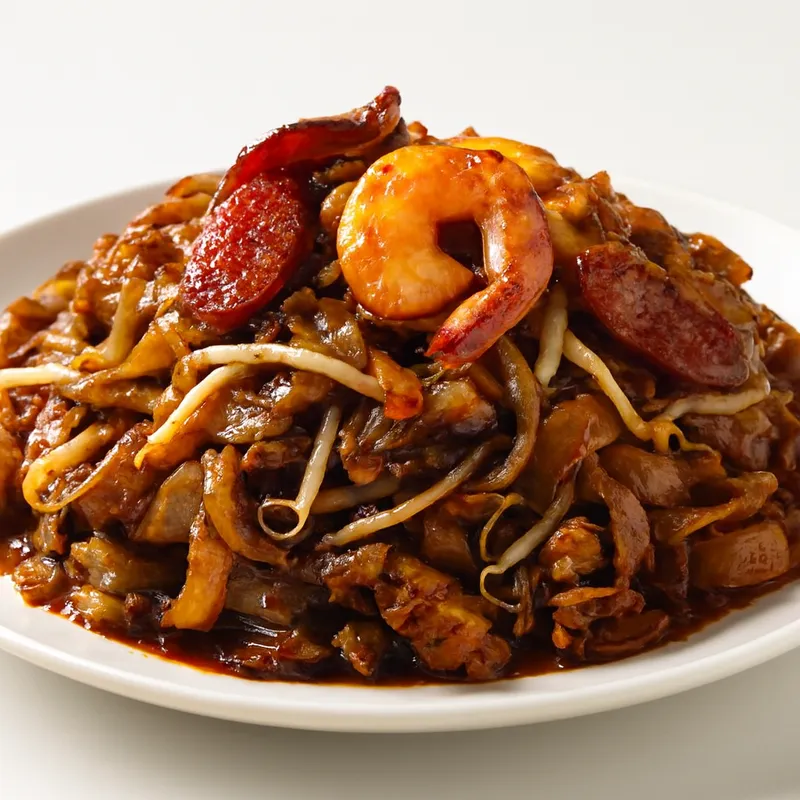
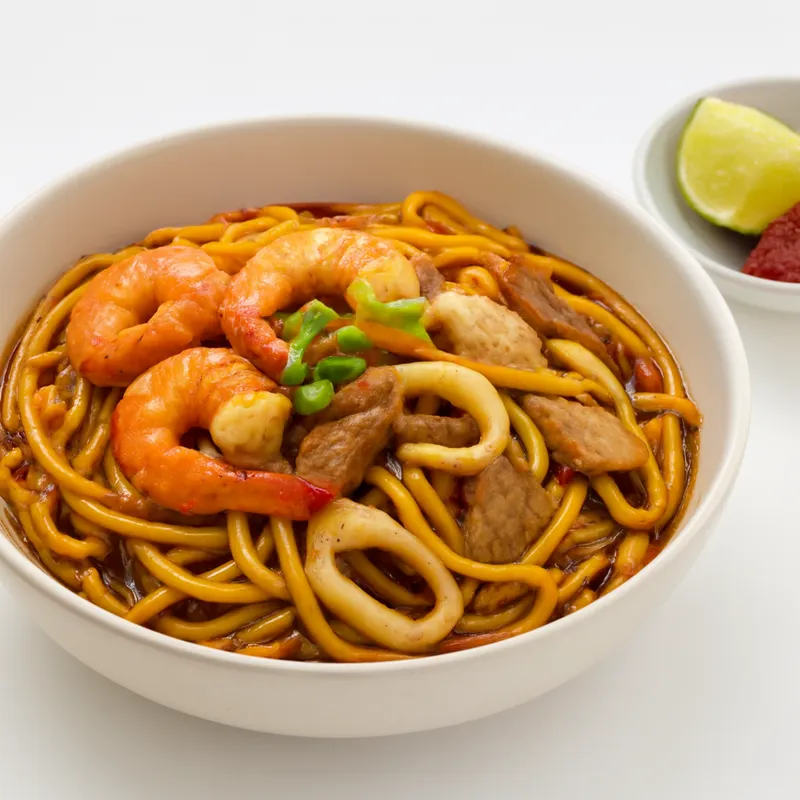
Two regional dishes share the name. KL-style: thick yellow noodles stained near-black with dark soy, tossed with pork lard, pork slices, prawn, squid, and a single fried pork-fat crouton on top — eaten dry. Penang-style: prawn-shell broth, orange-red, clear at the bottom, with yellow noodles and rice vermicelli, prawn, hard-boiled egg half. Same name, opposite kitchens.
KL version: the wok must be screamingly hot and the noodles must hit a small puddle of soy-stock that almost flash-evaporates — that's wok hei in noodle form. Pork lard and the crispy lard crouton (zhu you zha) are non-negotiable; vegetable oil makes it taste like a different dish. Penang version: the broth is built from prawn heads and shells dry-fried before water goes in; skip the dry-fry and the soup is pink water, not red.
Variations
KL Hokkien mee (dark-soy-fried, Kim Lian Kee benchmark); Penang Hokkien mee / prawn mee (clear orange-red broth, prawn-shell base); Singapore Hokkien mee (Rochor-style, white, with stock and prawns, neither KL nor Penang); Indonesian mie kangkung (water-spinach Hokkien adaptation).
On the Palate
Where Hokkien Mee sits in the Malaysian flavor cloud
This KL-style version lives or dies on wok hei — get the wok screaming hot and drop the noodles onto just a small puddle of soy-stock that nearly flash-evaporates, so they char and coat instead of stewing soggy.
Ingredients


How it's made
5 steps · 45 min
- 18 min
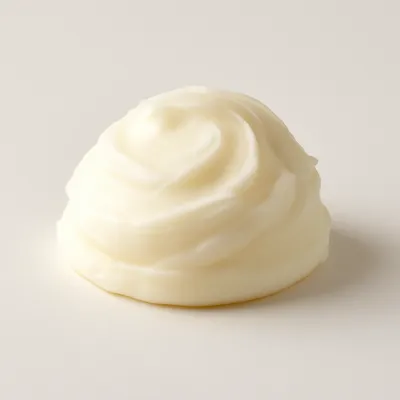
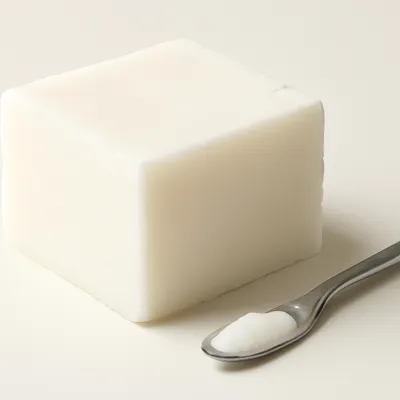
Heat lard in a wok and sauté garlic until fragrant.
Watch outMelt the lard and fry garlic just to fragrant golden — don't let it burn bitter before the meat goes in.
- 25 min
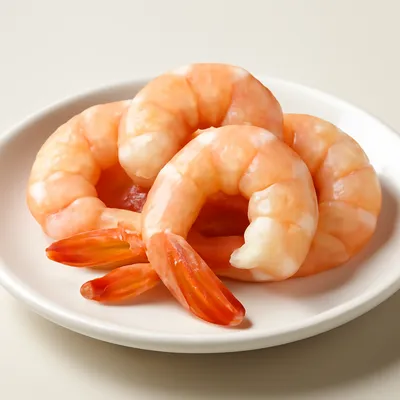
Add pork, shrimp, and squid, stirring until cooked through.
- 35 min
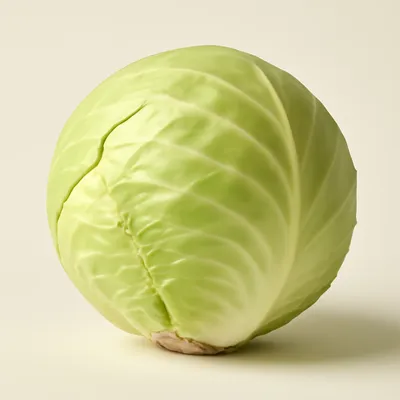
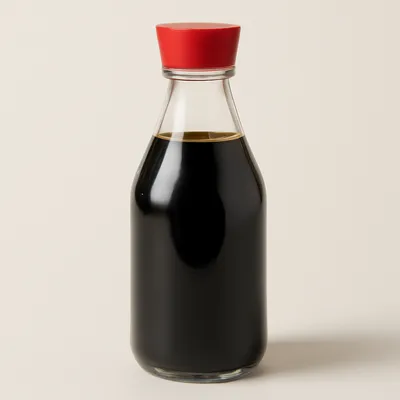
Toss in yellow noodles and cabbage, stir-frying with soy sauces.
Watch outAdd the soy in a small splash that hisses and nearly vanishes as it hits the hot wok.
- 45 min
Cook until noodles are well-coated and slightly charred.
Watch outToss hard and let the noodles catch a little char at the edges — that smoky edge is the goal.
- 52 min
Serve hot, garnished with crispy pork lard.